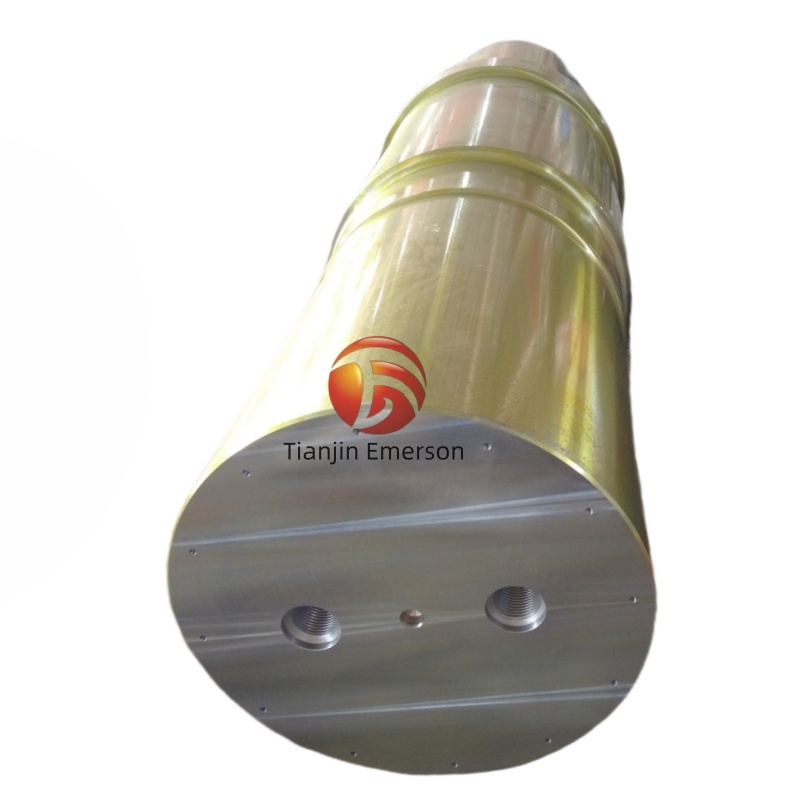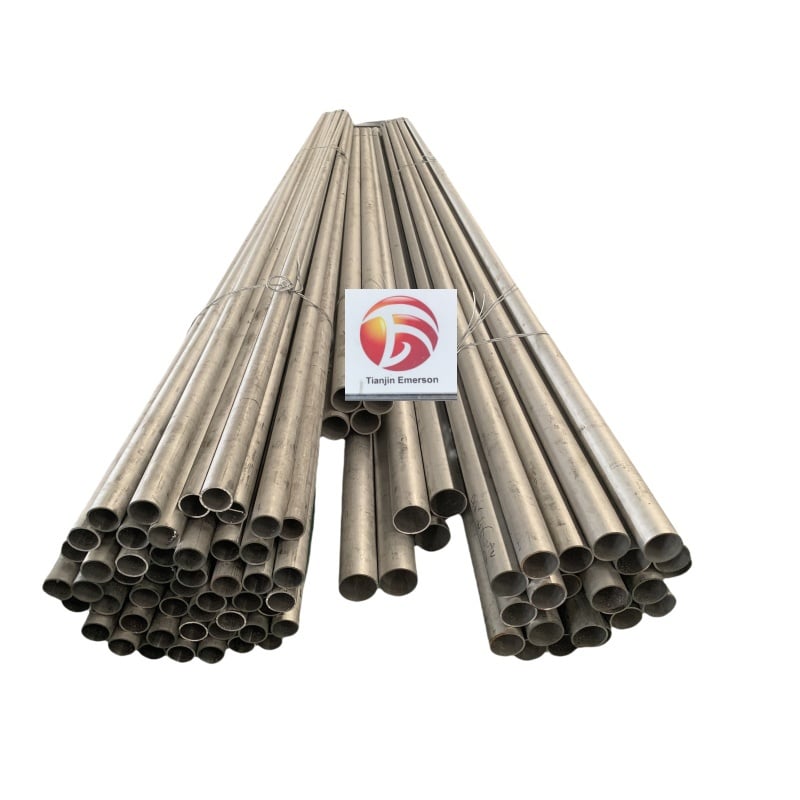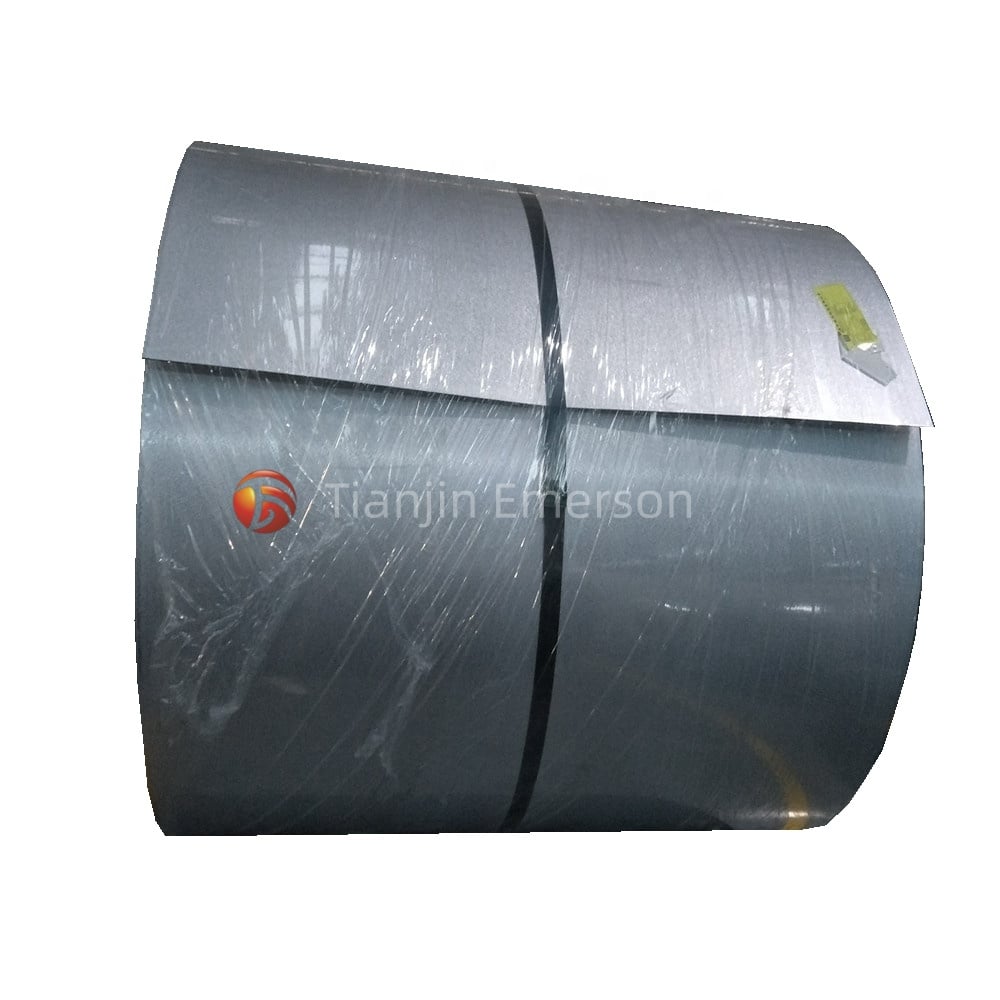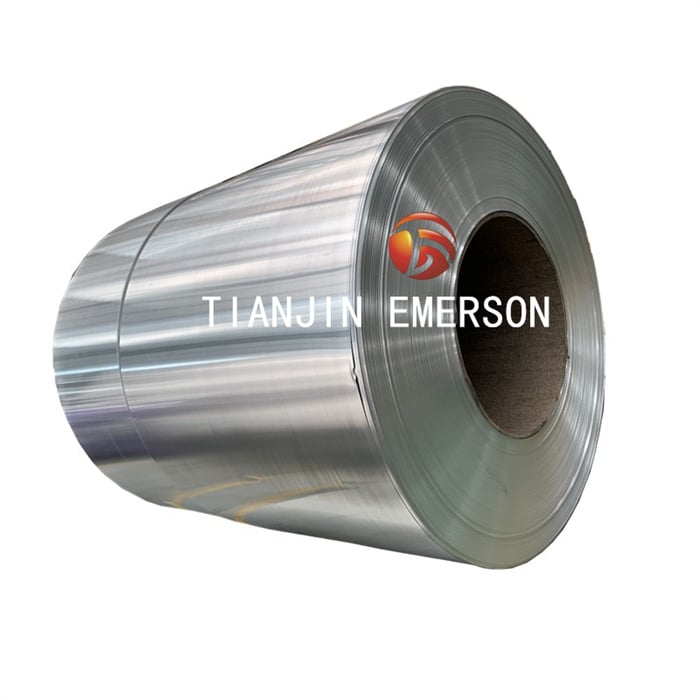

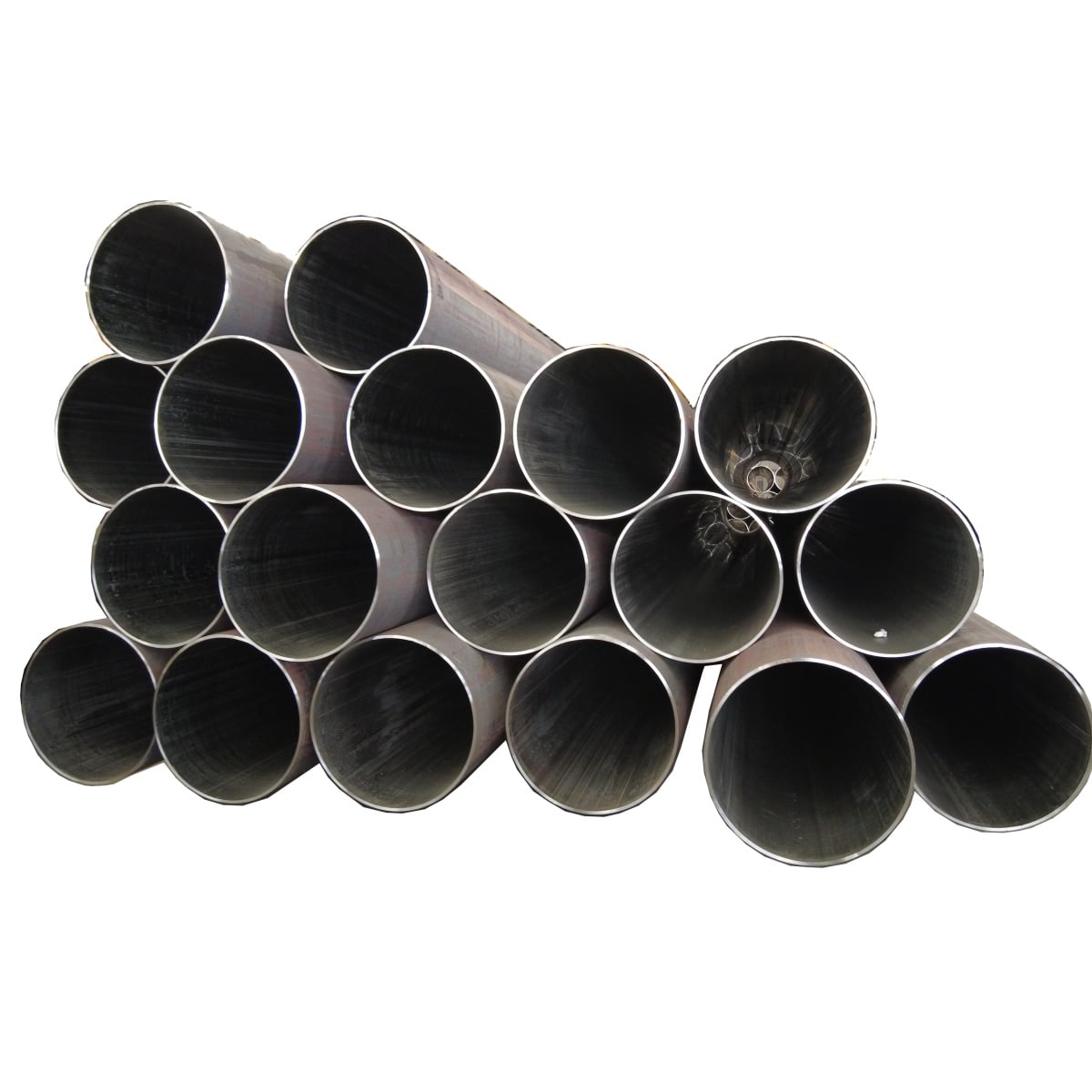
Good Quality Custom Steel Tubes 20mm 30mm 40mm Aisi 4120 4130 Steel Pipe
- Support OEM/ODM services
- Large production scale
- Adequate stock and complete specifications
- Overview
- Recommended Products
Product Induction
AISI 4120 and 4130 are both medium-carbon chromium-molybdenum quenched and tempered steels. 4130 features higher carbon and chromium content, resulting in superior hardenability compared to 4120. 4120's low-carbon and high-manganese design exhibits reduced susceptibility to cold cracking during welding. Additionally, tubular forms (seamless or welded + DOM) see the highest demand in aerospace, motorsports, oil and gas, and high-pressure machining applications.
Product Pictures
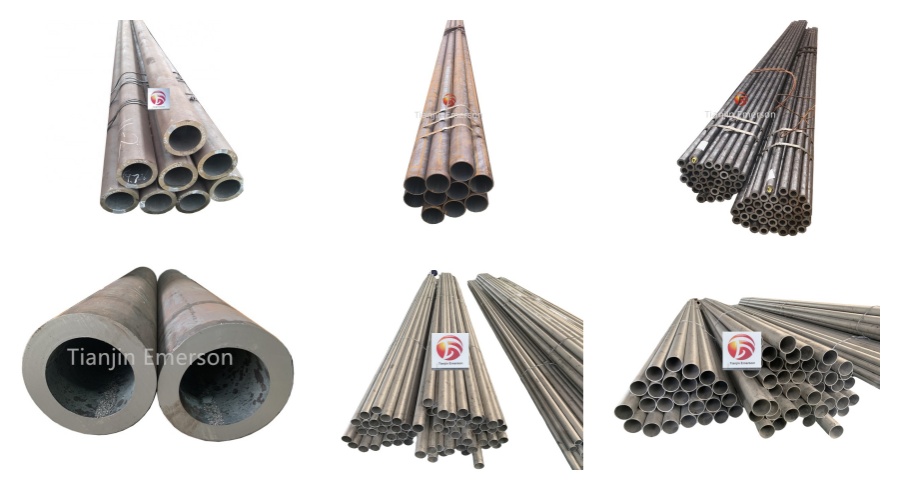
Specification
| Product Name | Good Quality Custom Steel Tubes 20mm 30mm 40mm Aisi 4120 4130 Steel Pipe |
| Technique | Hot Rolled |
| Grade | Aisi 4120 4130 |
| Grade Can be Supplied |
Structural pipe,Liquid pipe,High pressure boiler tube,Pipeline Alloy pipe,Structure pipe,Vehicle pipe,Pipe for pipe mould,Pipe for hydraulic prop Pipe for fluid transmission all types seamless pipes with all grades can be produced. |
| Outer diameters | OD6mm-OD 2500mm |
| Wall thickness | 1mm to 200mm |
| Length | 10mm to 25000mm,cut to length |
| Section Shape | Round |
| Certificate | ISO9001,RoHS |
| OEM/ODM | Available |
| Processing Service | Welding, Punching, Cutting, Bending, Decoiling |
| Application | aerospace, motorsports, oil and gas, and high-pressure machining applications. |
Aisi 4120 4130 Chemical Composition
| Grade | C | Mn | Cr | Mo | Ni | Cu | Si | S | P |
| 4120 | 0.18-0.23 | 0.90-1.20 | 0.40-0.60 | 0.13-0.20 | ≤0.25 | ≤0.2 | 0.15-0.35 | ≤0.04 | ≤0.035 |
| 4130 | 0.28-0.33 | 0.40-0.6 | 0.80-1.10 | 0.15-0.25 | ≤0.3 | ≤0.3 | 0.15-0.35 | ≤0.04 | ≤0.035 |
Aisi 4120 4130 Mechanical Properties
| Grade | tensile strength(MPa) | yield strength(MPa) | Elongation% |
| 4120 | ≥ 620 MPa | ≥ 415 MPa | ≥ 18 % |
| 4130 | 620-930 MPa | 415-725 MPa | ≥ 18 % |
Performance Advantages of AISI 4120 and 4130 Materials
AISI 4120:
1. Low-carbon design with carbon content ≈0.4%, exhibiting low susceptibility to cold cracking during welding. Complex structures can be multi-pass welded without preheating or with only 100–150°C preheating.
2. High Mn content refines grain structure, delivering room-temperature impact toughness ≥78 J. Maintains high values at -40°C, suitable for cold-region pipelines and welded joints.
3. Low cutting force and slow work hardening rate. Annealed hardness HB ≈ 180. Tool life exceeds 4130 by 15–20%, reducing machining costs.
4. After carburizing and quenching, surface hardness reaches 58–64 HRC while maintaining core strength at 885 MPa, achieving a “hard surface with tough core.” Ideal for wear-resistant components like gears and pins.
5. Meets general structural strength requirements without post-weld heat treatment, shortening manufacturing cycles and reducing deformation risks in large weldments.
AISI 4130
1. High carbon and chromium content, excellent hardenability. Even at 25 mm wall thickness, overall quenched hardness remains ≥28 HRC, suitable for thick-walled high-pressure components.
2. Wide quenching and tempering range enables production of multiple strength grades (75 ksi, 80 ksi, 95 ksi) from the same composition. Maximum tensile strength reaches 1,080 MPa with yield strength at 860 MPa, meeting high-stress aviation requirements.
3. High chromium content provides enhanced corrosion and oxidation resistance. It outperforms 4120 in H₂S-containing oil and gas well environments, enabling substitution for certain stainless steels in wellhead tools.
4. Exceptional strength-to-weight ratio. Under equivalent loads, it reduces weight by 12–15% compared to 4120, making it ideal for lightweight critical components like aircraft landing gear, hydraulic struts, and bicycle forks.
How to Select AISI 4120 and 4130 Based on Different Environments
1. For applications requiring multiple welds and low-temperature impact resistance, select 4120 steel—a low-carbon, high-manganese alloy with excellent toughness and low weldability.
2. Quenched and tempered 4130 steel at 95 ksi grade achieves 12-15% weight reduction compared to 4120, making it ideal for high-strength, thin-walled, lightweight scenarios.
3. For manufacturing high-pressure tubes with wall thicknesses exceeding 10 mm, select 4130. Its high hardenability ensures core hardness reaches 28 HRC even in thick walls.
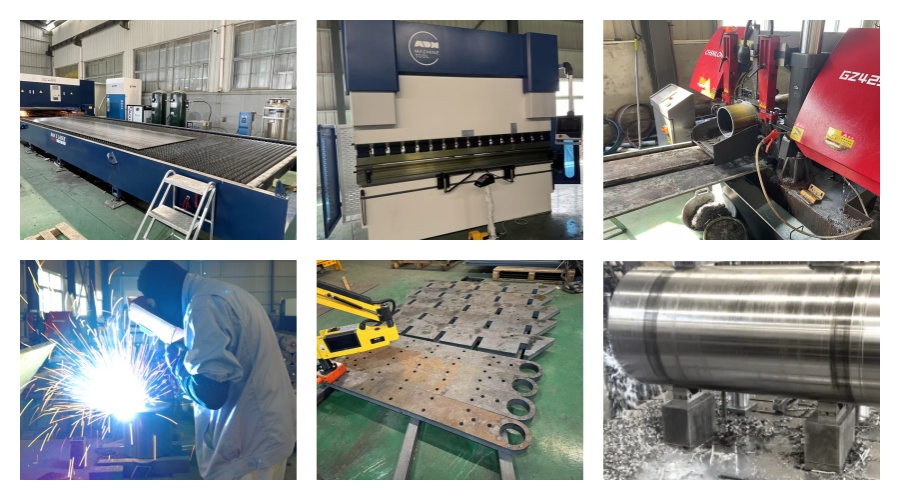
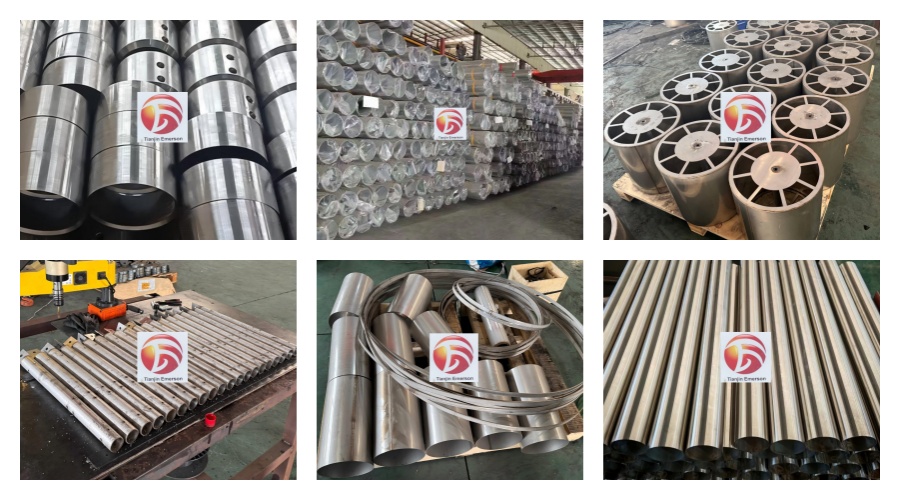
Pipe Processing Parts
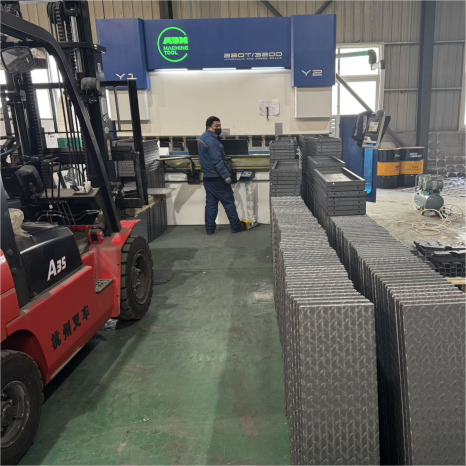
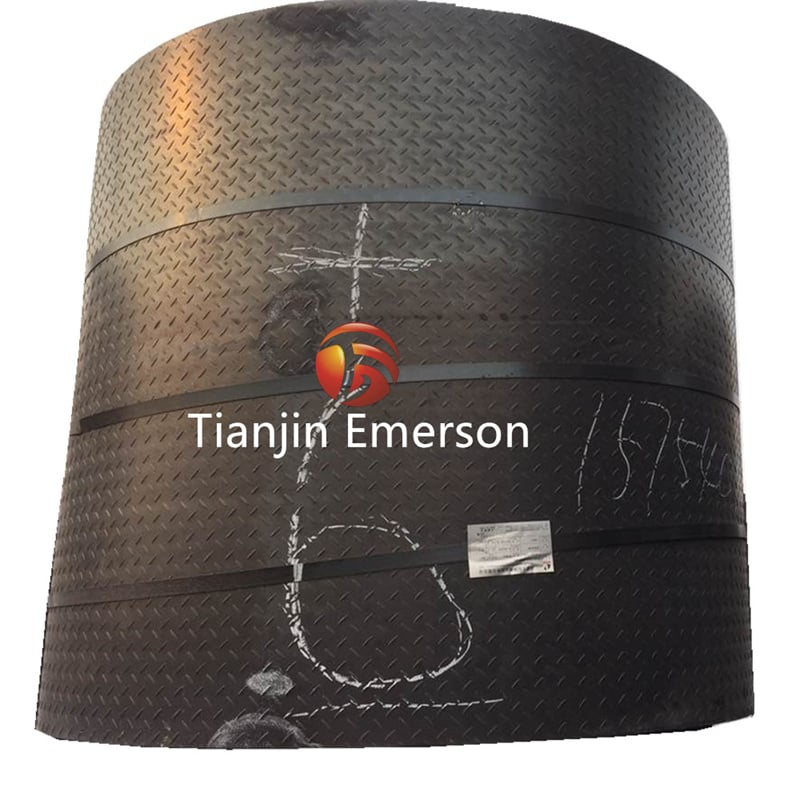
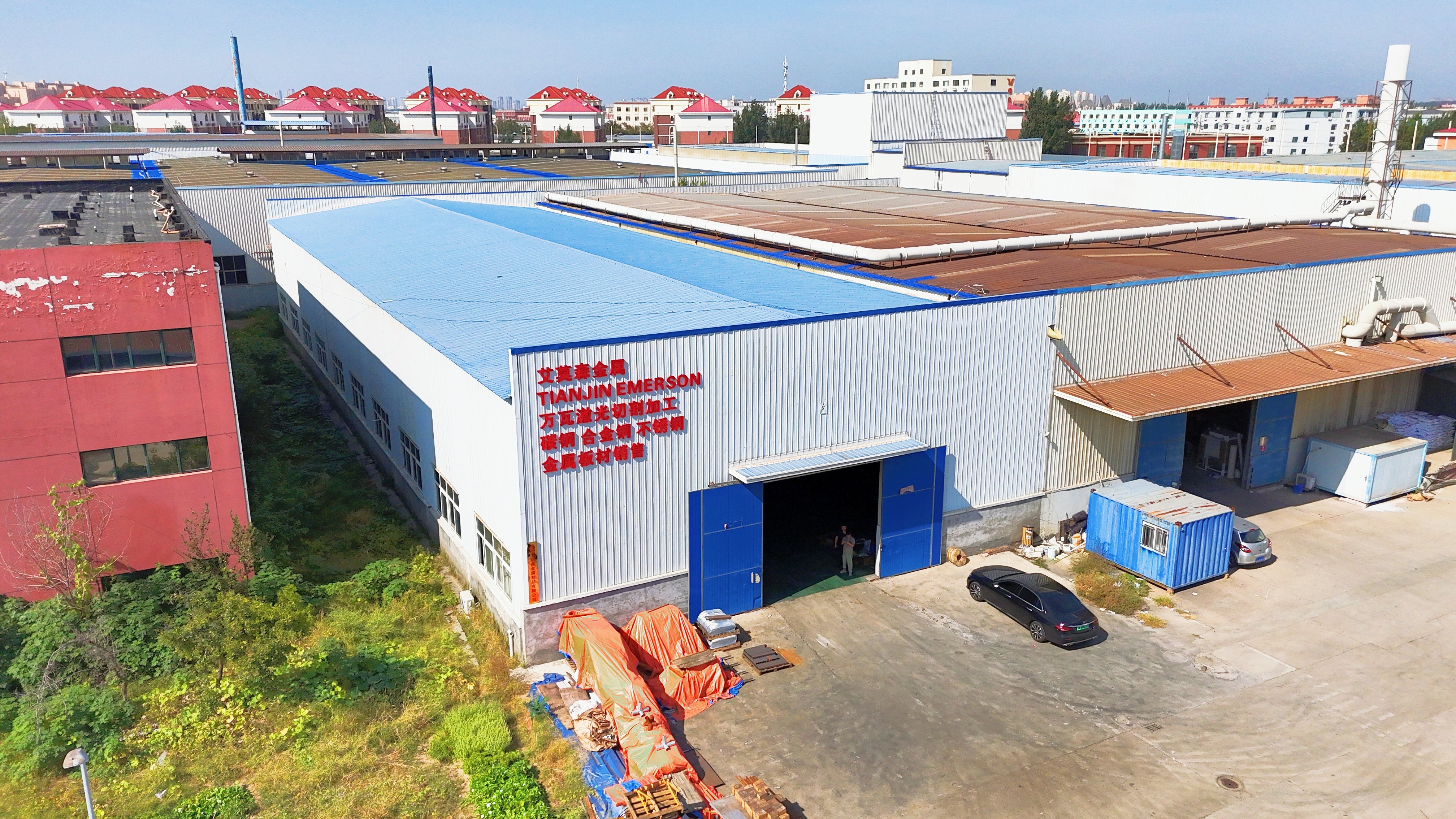
We can export 100,000 processed parts monthly, offering sheet metal fabrication, pipe fitting fabrication, and more. We process various metals including carbon steel and stainless steel.
FAQ
Q: What exactly is the difference between AISI 4120 and 4130?
A: Carbon: 4130 contains 0.28–0.33% C, while 4120 contains only 0.18–0.23%;
Chromium: 4130 contains 0.8–1.1% Cr, while 4120 contains only 0.4–0.6%.
Conclusion: 4130 offers higher strength/hardness, while 4120 provides better toughness and weldability.
Q:Which performs better in low-temperature impact?
A:4120: Room temperature Akv ≥78 J, still ≥60 J at -40°C;4130: Room temperature ≥63 J, approximately 45 J at -40°C.
Q: Wear resistance comparison?
A: 4120 can be carburized and quenched, achieving 58–64 HRC surface hardness while maintaining core toughness; 4130 undergoes full quenching to 28–32 HRC, requiring additional surface treatment for high wear resistance.
Q: Common standards and dimensions?
A: ASTM A519, A29, A513; Outer diameter 10–300 mm, wall thickness 0.1–25 mm, hot-rolled or cold-drawn + peeled/phosphated, DOM precision drawing available.
Q: How can I get your quotation as soon as possible?
A:Please contact:
Email:[email protected]
WeChat/WhatsApp/Mobile: +8613512028034