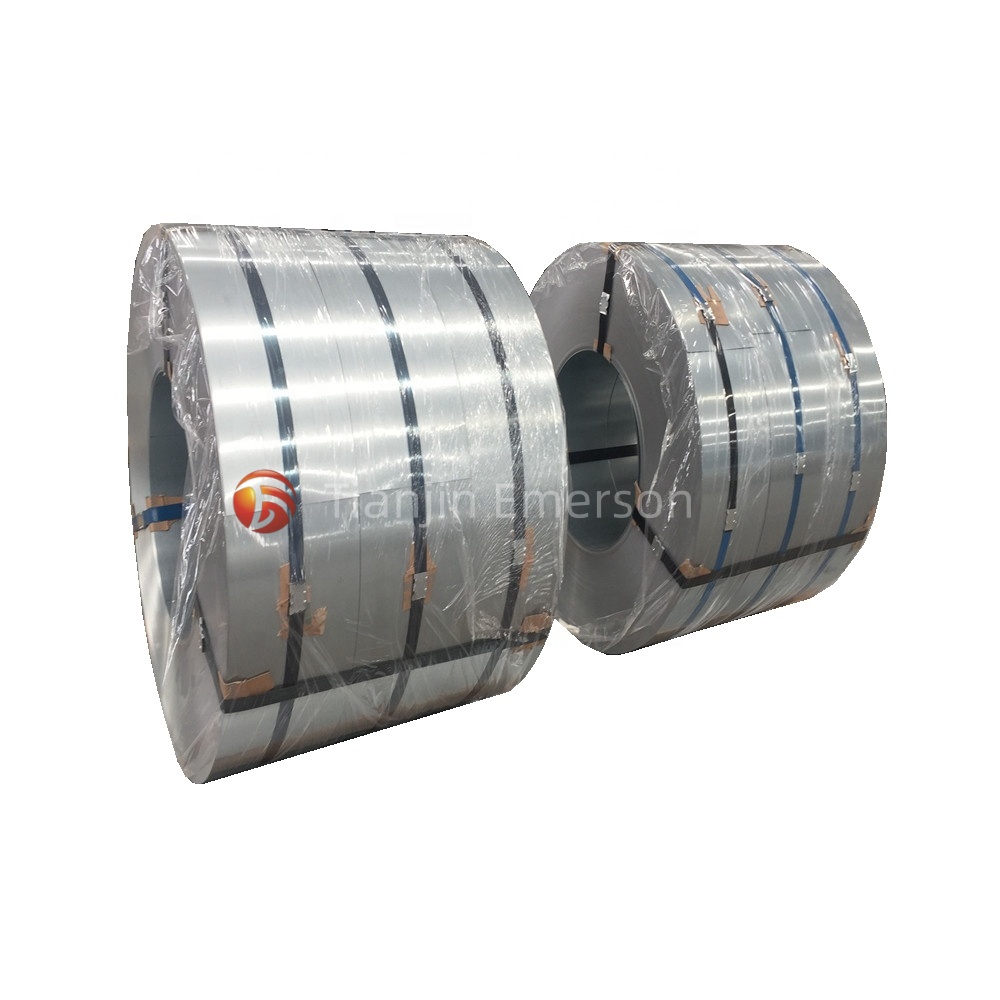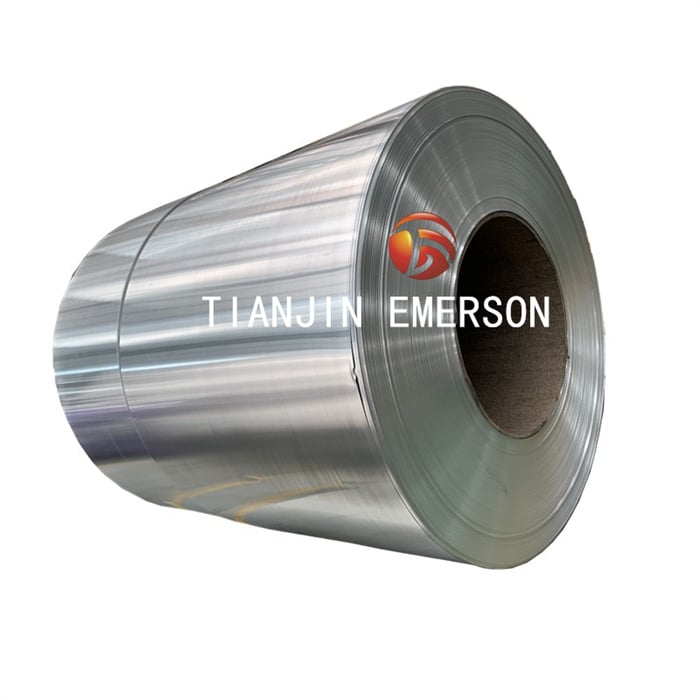

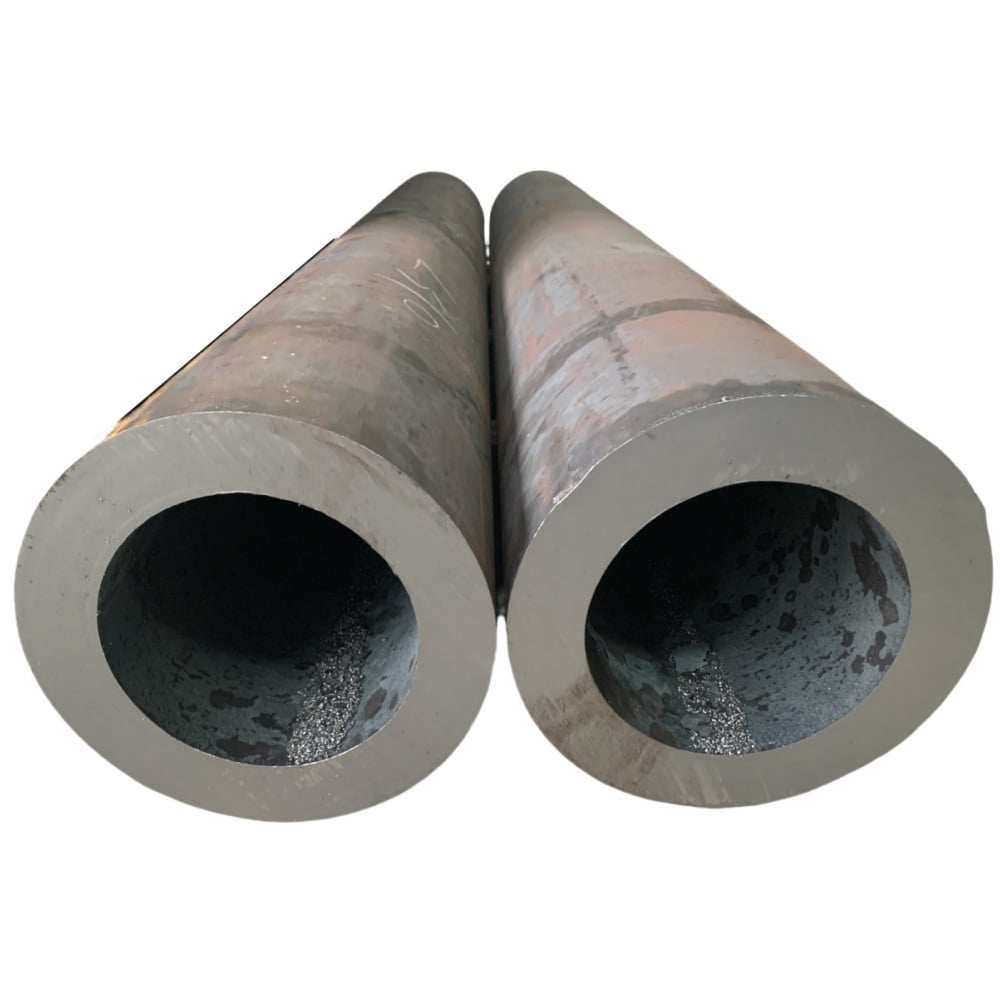
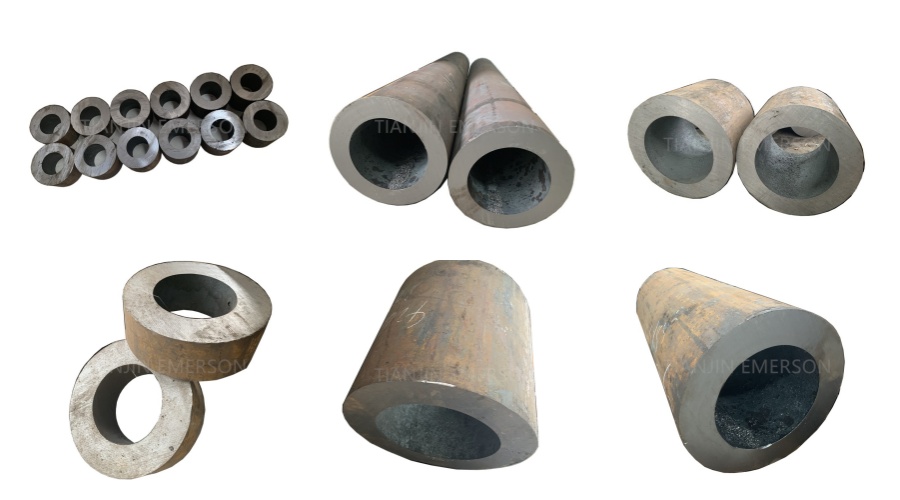
Thick Wall 15CrMo 12Cr1MoV Alloy Steel Pipe Hollow Bar
- large stock
- support visit factory
- multiple specifications
- high-temperature Heat-Resistant Steel Pipe Material
- Overview
- Recommended Products
Product Induction
15CrMo is a typical pearlitic heat-resistant steel exhibiting high thermal strength (σb ≥ 440 MPa) and oxidation resistance in the 500-550°C range, along with hydrogen corrosion resistance. However, it has a pronounced tendency to harden and poor weldability. It is commonly used in medium- and high-pressure steam pipes, headers, and heat exchanger tubes.
12Cr1MoV is derived from 15CrMo by increasing Cr content to 0.90-1.20% and adding 0.15-0.30% V to form a stable VC strengthening phase. It remains a pearlitic low-alloy heat-resistant steel. It exhibits superior creep strength and oxidation resistance below 580°C compared to 15CrMo, with σb ≥ 490 MPa and σs ≥ 245 MPa. Sensitive to quenching rates during normalizing, requiring controlled cooling processes. Commonly used in ultra-supercritical boiler superheaters, reheaters, main steam pipes, and forgings.
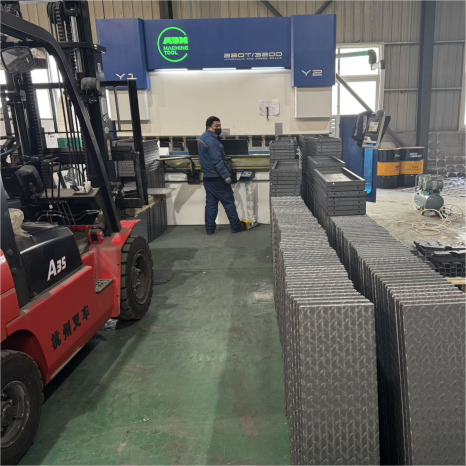
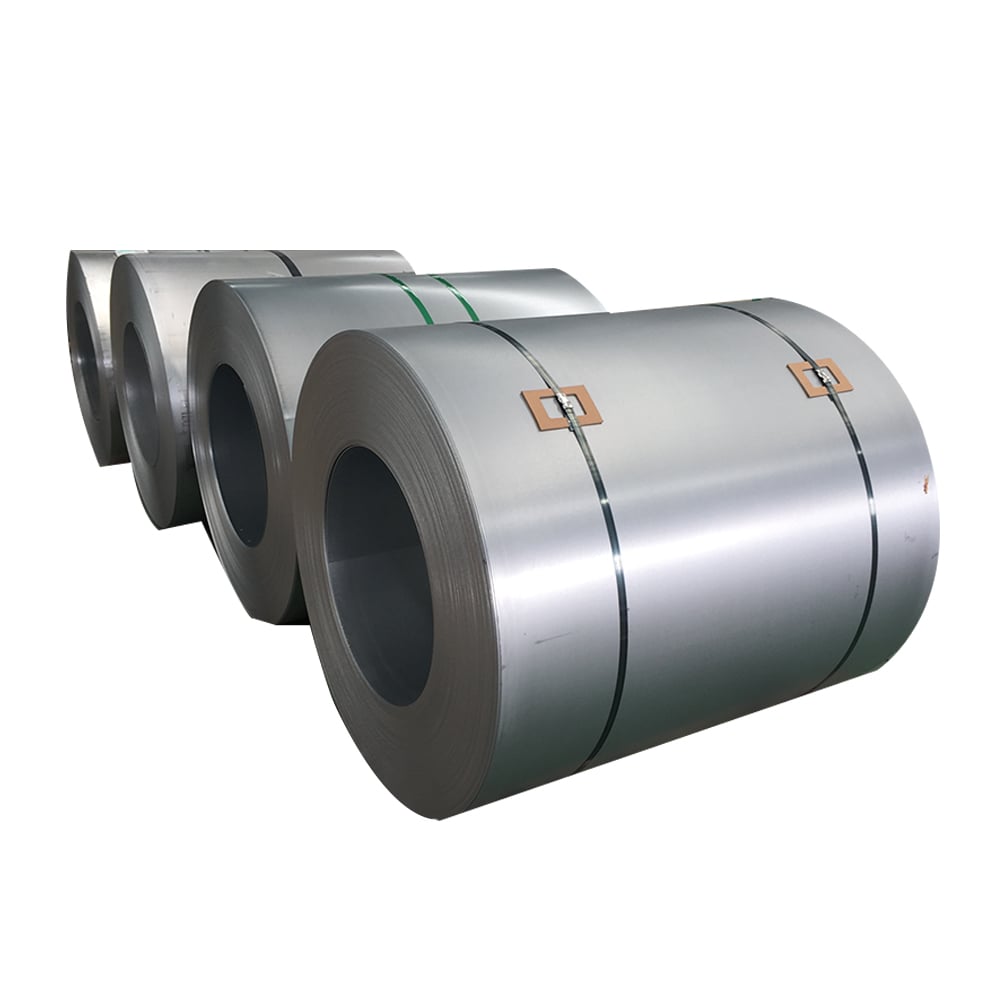
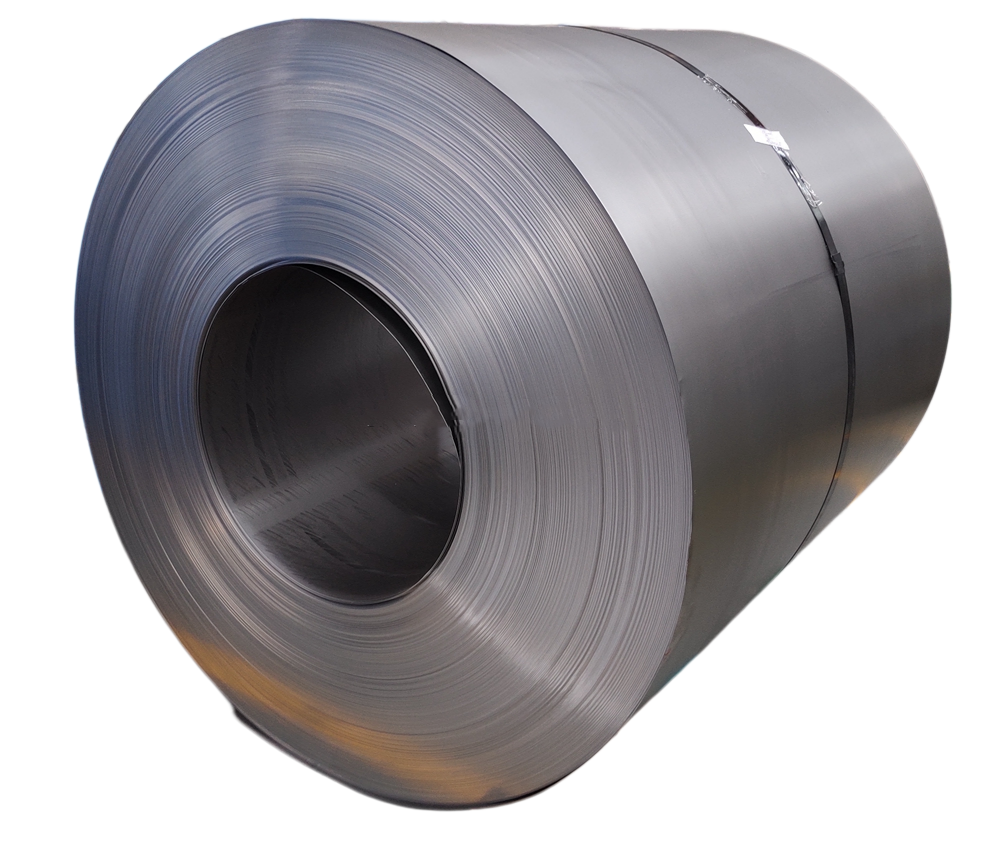
Product Pictures
Specification
| Product Name | Thick Wall 15CrMo 12Cr1MoV Alloy Steel Pipe Hollow Bar |
| Technique | Hot Rolled or Cold Drawn |
| Grade | 15CrMo 12Cr1MoV |
| Grade Can be Supplied |
Structural pipe,Liquid pipe,High pressure boiler tube,Pipeline Alloy pipe,Structure pipe,Vehicle pipe,Pipe for pipe mould Pipe for hydraulic prop,Pipe for fluid transmission all types seamless pipes with all grades can be produced. |
| Outer diameters | 10-48mm,57-129mm,273-610mm,OD6mm-OD 2500mm |
| Wall thickness | 5,6,7,8,10,12,14,16,18,20,1mm to 200mm |
| Length | 10mm to 25000mm,cut to length |
| Certificate | ISO9001,RoHS |
| Section Shape | Round |
| OEM/ODM | Available |
| Application | medium- and high-pressure steam pipes, headers, and heat exchanger tubes,ultra-supercritical boiler superheaters, reheaters, main steam pipes, and forgings. |
15CrMo 12Cr1MoV Chemical Composition
| Grade | C | Si | Mn | P max | S max | Mo max | Cr max | V |
| 15CrMo | 0.12-0.18 | 0.17-0.37 | 0.4-0.7 | 0.035 | 0.035 | 0.4-0.55 | 0.8-1.1 | - |
| 12Cr1MoV | 0.08-0.15 | 0.17-0.37 | 0.40-0.70 | 0.035 | 0.035 | 0.25-0.35 | 0.90-1.20 | 0.15-0.30 |
15CrMo 12Cr1MoV Mechanical Properties
| Grade | tensile strength(MPa) | yield strength(MPa) | Elongation% |
| 15CrMo | 440-640 | ≥295 | ≥22 |
| 12Cr1MoV | ≥490 MPa | ≥245 MPa | ≥22 |
Advantages of 15CrMo 12Cr1MoV
Both 15CrMo and 12Cr1MoV are pearlitic heat-resistant steels, but their alloy compositions differ, resulting in distinct performance advantages for each.
15CrMo:
1.At temperatures between 480-550°C and pressures ranging from 3-10 MPa, the material exhibits a creep strength of ≥95 MPa, sufficient to cover most medium-pressure boiler tubes and hydrocracking furnace tubes, while offering a cost reduction of 8-12% compared to 12Cr1MoV.
2.The Cr-Mo coordination forms a dense oxide film with an annual oxidation rate of only 0.05-0.1 mm. In catalytic cracking and ammonia synthesis environments containing H₂ and H₂S, its service life is 4-6 times that of carbon steel.
3.Requires only preheating at 150-250°C and post-weld tempering at 680°C, making on-site installation easier than for vanadium-containing steels and suitable for retrofit projects with tight schedules.
12Cr1MoV:
1.Increased chemical composition V precipitation hardening achieves a creep strength ≥110 MPa at 580°C for 10⁵ hours, exceeding 15CrMo by 15-20% under identical conditions. This meets the 100,000-hour design life requirement for supercritical boiler superheaters and main steam pipes.
2.The Cr-Mo-V composite oxide film exhibits low spalling rates at 570°C, maintaining δ5 ≥ 22% and impact energy ≥ 71 J after long-term service—significantly outperforming 15CrMo's 50 J level.
3.After normalizing and tempering, the core of 160 mm wall thickness achieves a bainite-sotite microstructure, suitable for high-pressure headers and steam-water separators exceeding 50 mm thickness.
Production Process of Hollow Bar
Raw Material Preparation: Select low-alloy heat-resistant steels (e.g., 15CrMo, 12Cr1MoV) requiring chemical composition, low-magnification, and ultrasonic re-inspection.
Heating: Step furnace heated to 1100–1250 °C. Holding time calculated as 1 min/10 mm based on billet diameter. Temperature uniformity ΔT ≤ 20 °C to prevent overheating or burn-through.
Piercing: Solid billets are pierced into thick-walled tubes using a two-roll inclined piercing machine with an elongation ratio of 1.8–3.0. For large diameters (≥φ250 mm), secondary piercing or push-piercing is employed, enabling wall thickness reduction exceeding 30%.
Tube Rolling: Employing an “automatic tube rolling mill + sizing mill + finishing mill” process: Roll the tube blank to target wall thickness in 2–3 passes with total elongation of 1.8–2.2, suitable for batch production of φ159–φ610 mm tubes with wall thickness ≤50 mm.
Heat Treatment: Normalizing + tempering is the standard process for chromium-molybdenum steels like 12Cr1MoV. For wall thicknesses >30 mm, quenching + high-temperature tempering quenching and tempering is required to achieve bainite/tempered sorbite in the core, ensuring consistent properties throughout the entire wall thickness.
Finishing: 12-stand three-roll straightening machine controls straightness ≤1 mm/m; hot sawing to length with 30°±2.5° end bevels prepares for subsequent welding.
Surface Treatment: Acid pickling → Phosphating → Anti-rust oil coating.
FAQ
Q: What are the maximum temperature limits for these two materials?
A: For 15CrMo, the metal wall temperature must not exceed 550°C to ensure a service life of 10⁵ hours. 12Cr1MoV benefits from V precipitation hardening, allowing use up to 580°C; however, its creep strength deteriorates significantly above 580°C.
Q: Can these two types of steel be welded together?
A: Direct welding is not recommended due to significant differences in thermal expansion coefficients and carbon equivalents.
Q: What rust removal grade should be achieved on surfaces?
A: Shot blasting is commonly used for on-site construction and meets requirements for high-temperature paint or alumina silicate wrapping. Manual tools can only achieve Sa2 grade and are not recommended for high-temperature areas.
Q: Can stock held for over one year be used directly?
A: Re-test hardness, impact resistance, and grain size. If pearlite spheroidization reaches ≥3, reduce the usage temperature or re-heat treat to restore microstructure. Failure to do so will compromise the 10⁵ h endurance strength.
Q: How can I get your quotation as soon as possible?
A:Please contact:
Email:[email protected]
Wechat/whatsapp/mobile: + 86 13512028034