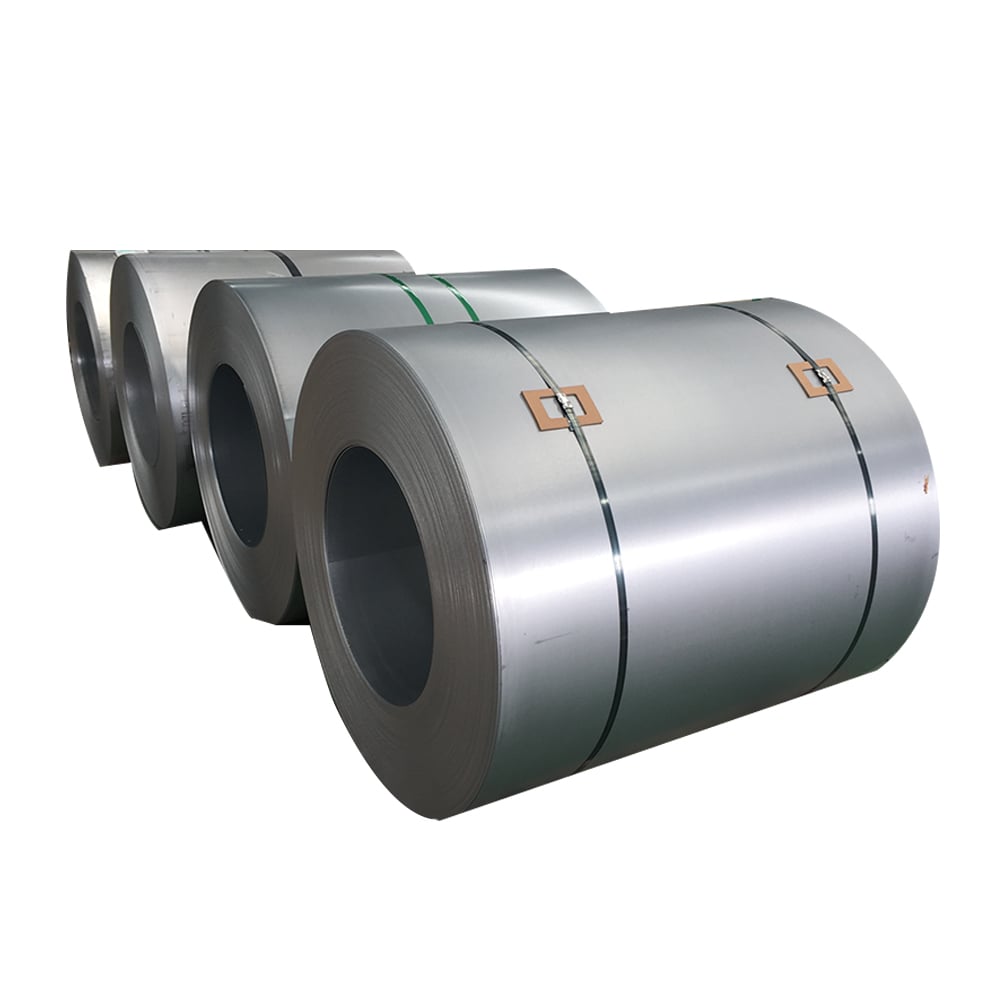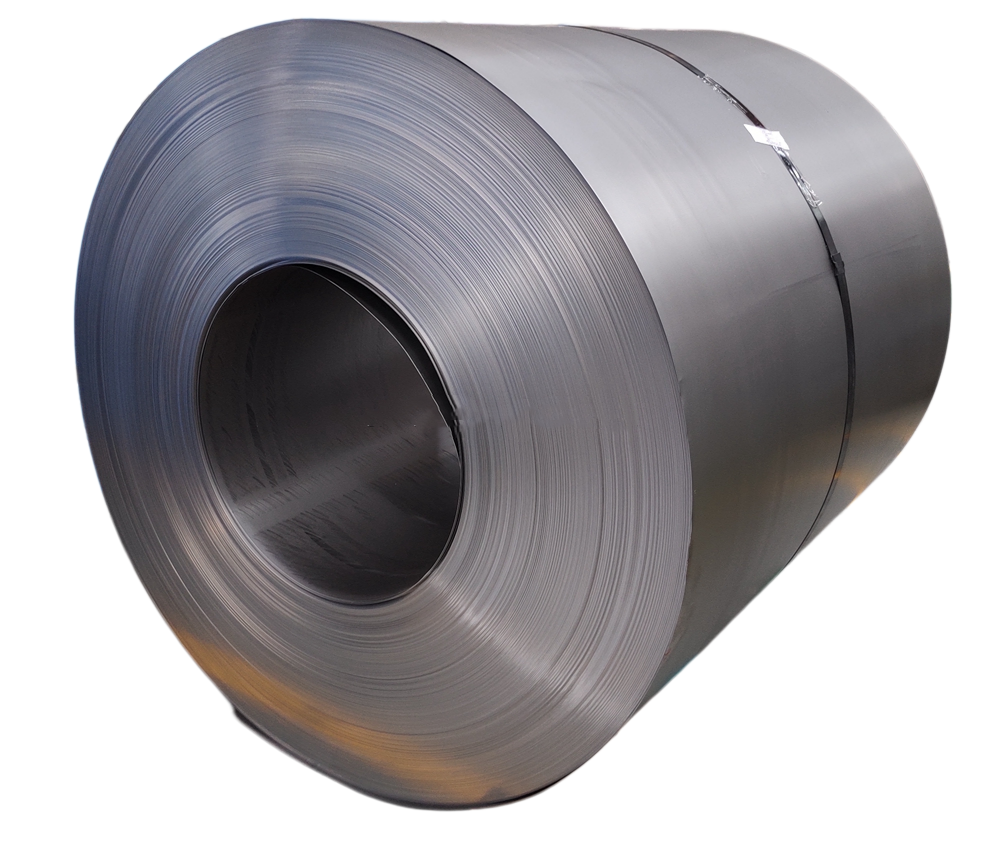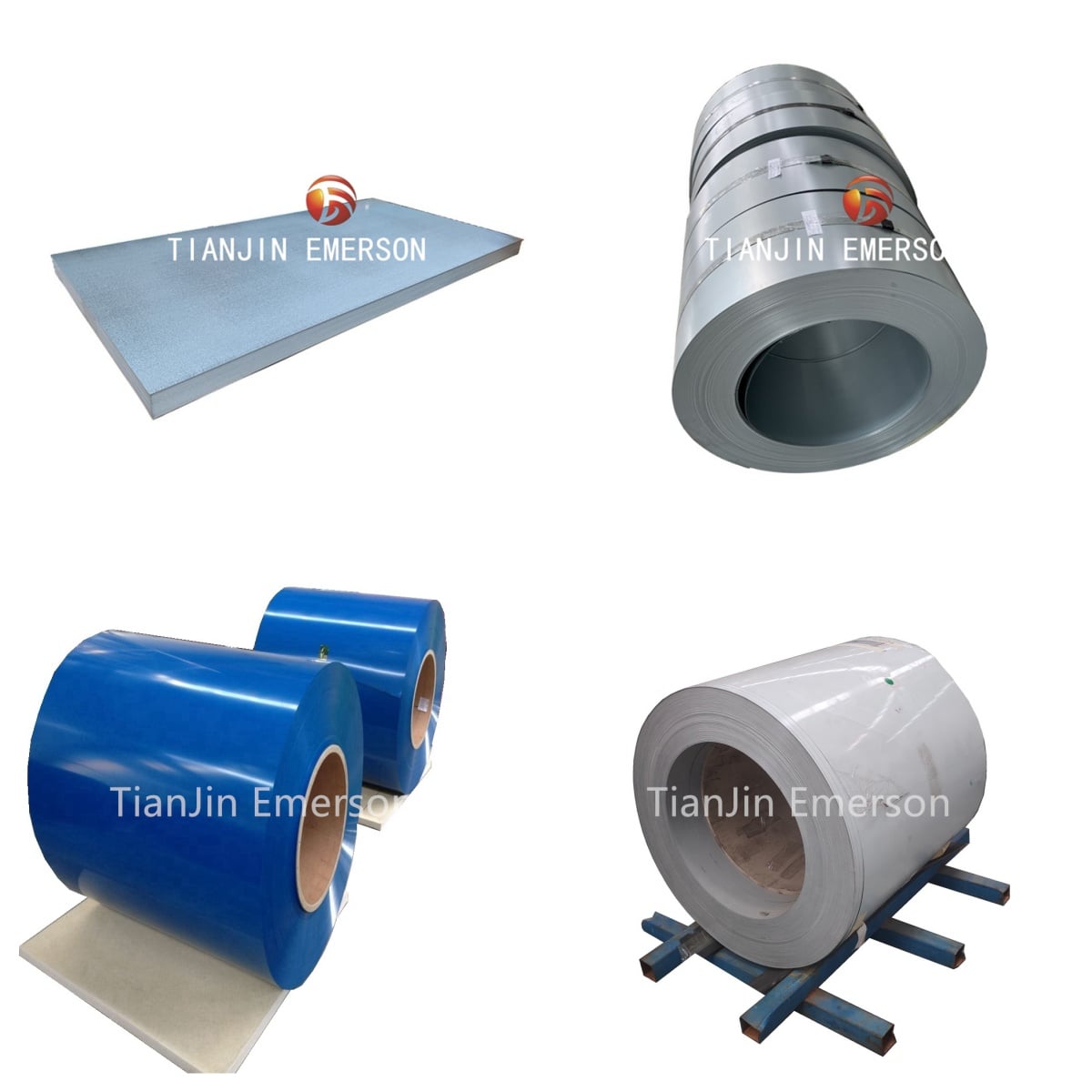

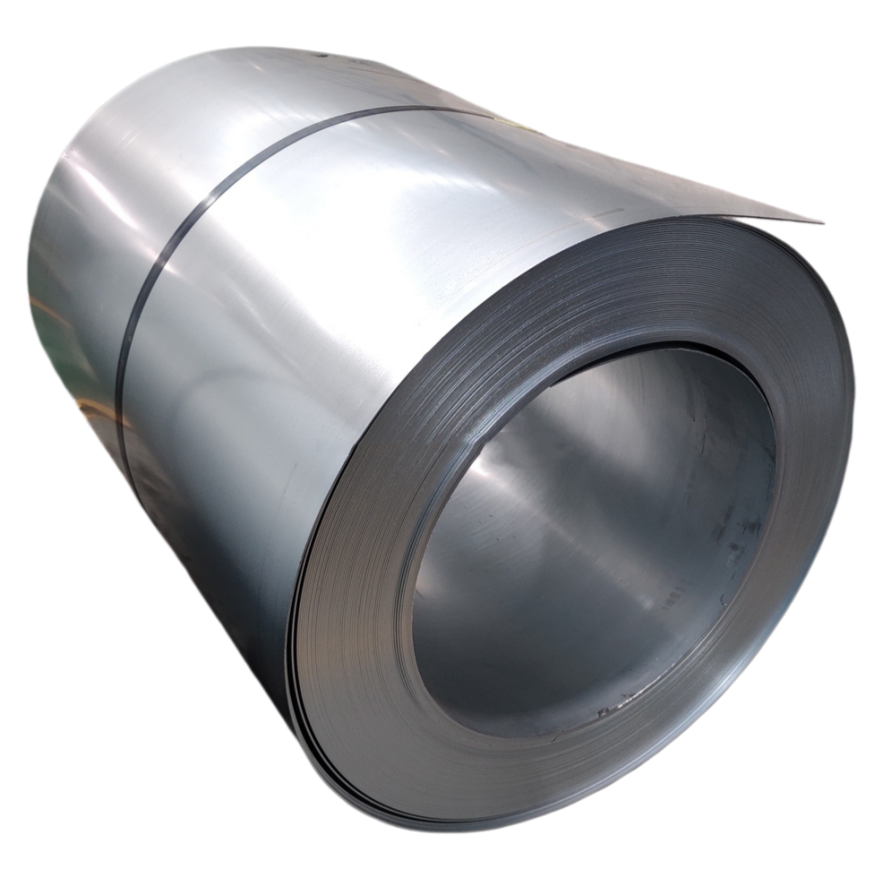
SPCD ST12 ST13 DC01 DC03 DC04 0.4mm 0.5mm 0.6mm 0.9mm Cold Rolled Steel Sheet Coil
We provide various raw materials such as hot-rolled and cold-rolled steel coils, stainless steel coils, galvanized coils, carbon steel and stainless steel pipes.
- Overview
- Recommended Products
Product Overview
Available Grades & Equivalents
Commercial Quality (CQ): SPCC, ST12, DC01 — ideal for simple bending and light forming applications where surface appearance is important but deep drawing is not required.
Drawing Quality (DQ): SPCD, ST13, DC03 — designed for moderate drawing operations including automotive panels, appliance housings, and formed containers requiring good ductility and uniform deformation.
Deep Drawing Quality (DDQ): SPCE, ST14, DC04 — engineered for severe forming and extra-deep-drawing applications such as complex automotive body parts, deep-drawn sinks, and intricate stamped components requiring maximum elongation and resistance to thinning.
All grades conform to international standards: JIS G3141 (Japan), DIN 1623 / EN 10130 (Europe), and GB/T 5213 (China). Cross-referencing between these grades ensures seamless substitution for global supply chains.
Specifications
| Product Name | SPCD ST12 ST13 DC01 DC03 DC04 0.4mm 0.5mm 0.6mm 0.9mm Cold Rolled Steel Sheet Coil |
| Thickness | 0.4mm, 0.5mm, 0.6mm, 0.9mm (primary gauges); 0.12mm–3.0mm full range available |
| Width | 600mm–1,500mm standard; slitting to custom widths from 20mm upward |
| Coil Inner Diameter | 508mm or 610mm per customer preference |
| Coil Weight | 3–8 metric tons standard; customized coil weights available |
| Edge Condition | Mill edge or trimmed edge |
| Steel Grade | SPCC,DC01,ST12,CS B,SPCD,DC03,ST13,DS A,DS B,DS C,SPCE,DC04,ST14,DDS,SPCF,DC05,ST15,EDDS,SPCG,DC06,DC07,ST16,ST17,EDDS,S215G(ST37-2G),S245G(ST44-3G),S325G(ST52-3G),170P1,2110P1,250P1,180P2,220P2,260P2,140BH(CR140BH),180BH(CR180BH),180H1,180BH2,HC180B,220BH(CR2 20B H),HC220B,260BH(CR2 60B H),HC260B,300BH(CR 300BH),HC300B,CR260/450DP,CR300/50 0DP,CR340/590DP,CR420/780DP,CR550/980DP,H240LA (HC2 40L A),HC260LA,H280LA(HC2 80L A),HC300LA,H320LA (HC3 20L A),HC340LA (ZStE340),HC380LA(ZStE380),HC420LA (ZS tE42QQStE 42 0T M),HC460LA,CR380/590TRIP,CR400/690TR,CR420/780TRIP,CR450/980TRIP,Q700NQJ,QP980,ZT1/2/3/4,AYHS1/2/3/4/5,AHG1/2/3/4/5,TD1/2 |