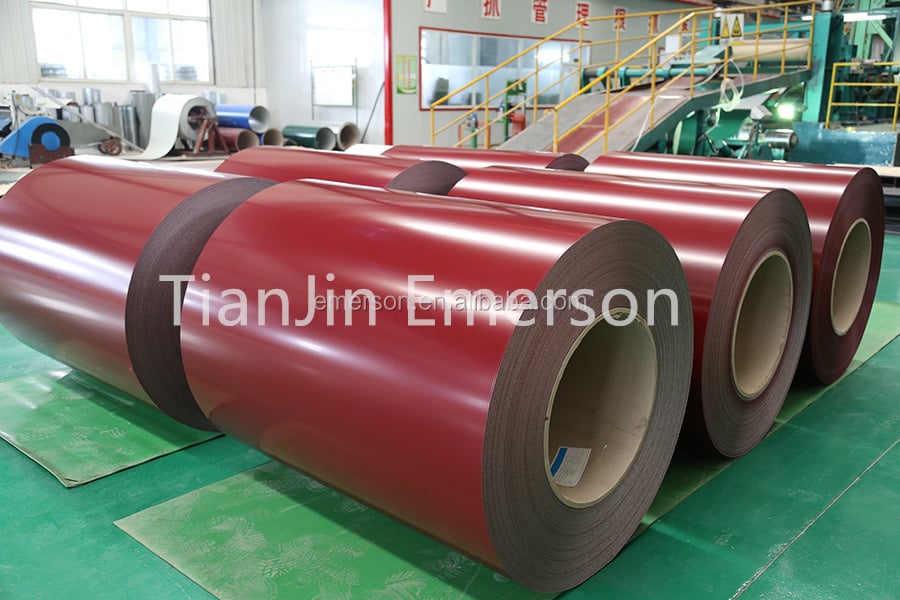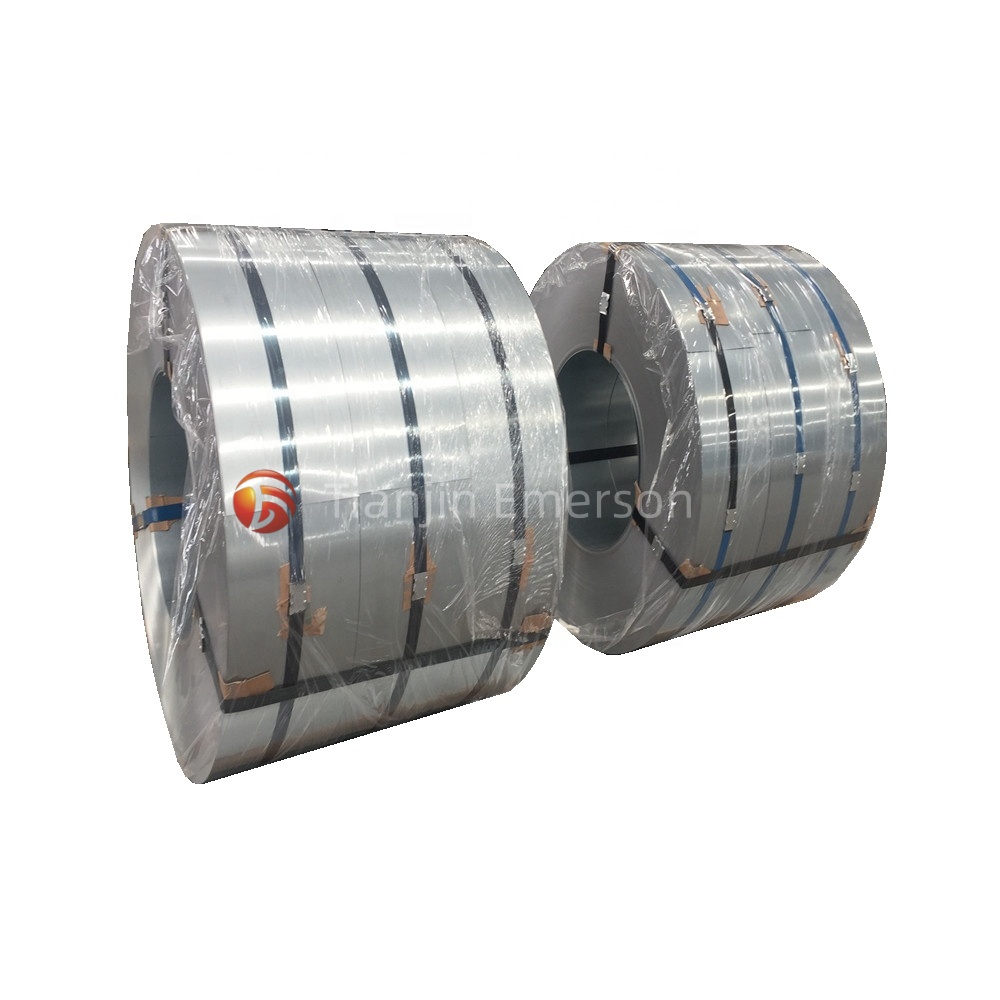

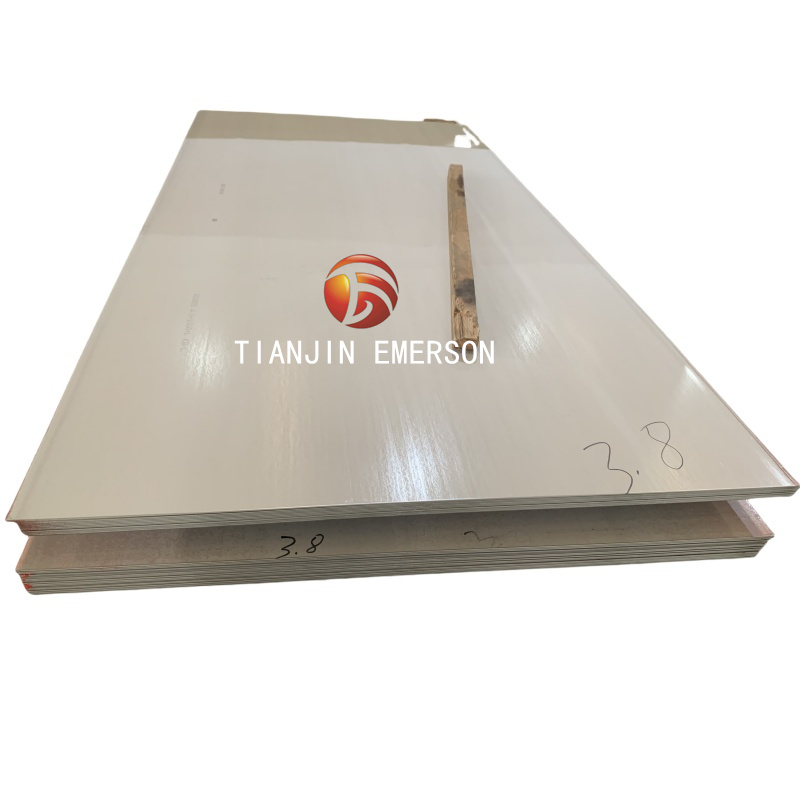
0.3-20mm Thickness 304 304L Stainless Steel Sheet Plate Cut to Length
We can provide stainless steel materials and specifications in various materials
Thickness:0.3-20mm
Width:60-2000mm
- Overview
- Recommended Products
Product Induction
304 stainless steel contains approximately 18% chromium and 8% nickel. 304L stainless steel is an ultra-low-carbon variant of 304, with both having nearly identical base compositions. The sole difference lies in carbon content control. However, this minor variation results in significant differences in weldability and resistance to intergranular corrosion.
Typical Applications of 304 Stainless Steel:
Kitchenware & Appliances: Cutlery, sinks, countertops, refrigerator liners
Architectural & Decorative: Curtain walls, railings, elevator panels, decorative panels
General Chemical Processing: Storage tanks, piping
Medical Devices: Surgical instruments, medical equipment
Food Processing: Storage containers, conveyor belts
304L Stainless Steel Typical Applications:
Large Welded Structures: Chemical storage tanks, pressure vessels, piping systems
Petrochemical Industry: Reactors and towers requiring high resistance to intergranular corrosion
Offshore Engineering: Ship components, offshore platform structures
Nuclear Power Equipment: Critical welded components
Pharmaceutical Industry: High-purity equipment
High-Temperature Components: Heat-resistant parts where post-weld heat treatment is impractical
Specification
| Product Name | 0.3-20mm Thickness 304 304L Stainless Steel Sheet Plate Cut to Length |
| Surface Treatment | Pickled White Surface;Hairline Surface;BA/2B/NO.1/NO.3/NO.4/8K/HL/2D/1D |
| Grade | 304 304L |
| Steel Grade Stocking | 301L, S30815, 301, 304N, 310S, S32305, 410, 316Ti, 316L, 316, 321, 410S, 410L, 436L, 347, 430, 309S, 304, 439, 409L, 420J2, 436, 304L, 904L, 444, 317L |
| Shape | Flat Steel Plate |
| Width | 60-2000mm |
| Thickness | 0.3-20mm |
| Length | 6,9,12m;Cut to Length |
| Processing | Laser Cutting, Waterjet Cutting, Bending, Welding, Polishing |
| Delivery Time | Common size on stock,3days;Special sizes needs new production |
Chemical Composition
| Grade | C | Si | Mn | P | S | Cr | Ni |
| 304 | ≤0.08% | ≤1.0% | ≤2.0% | ≤0.045% | ≤0.030% | 18.0-20.0% | 8.0-10.5% |
| 304L | ≤0.03% | ≤1.0% | ≤2.0% | ≤0.045% | ≤0.030% | 18.0-20.0% | 8.0-12.0% |
Mechanical Properties
| Grade | Tensile Strength(MPa) | Yield Strength(MPa) | Elongation% |
| 304 | ≥515 MPa | ≥205 MPa | ≥40% |
| 304L | ≥485 MPa | ≥170 MPa | ≥40% |
Comparison between 304 and 304L
1. Corrosion Resistance
304: Exhibits good corrosion resistance in most common environments, but intergranular corrosion may occur after welding or during prolonged use at elevated temperatures (425-815°C).
304L: Due to extremely low carbon content, carbide precipitation during welding is minimal, resulting in significantly superior intergranular corrosion resistance compared to 304. Post-weld annealing is not required to maintain corrosion resistance.
2. Weldability
304: Good weldability, but requires solution annealing (rapid cooling at ~1050°C) post-welding to restore corrosion resistance; otherwise, intergranular corrosion may occur in the heat-affected zone.
304L: Excellent weldability, making it the preferred material for welded structures. Its low-carbon nature prevents chromium carbide formation near welds, allowing use without post-weld heat treatment.
3. Formability
Both exhibit excellent cold formability (stamping, deep drawing, bending). However, 304L's slightly lower strength reduces cracking risk during deep drawing.
Both are prone to work hardening during machining, requiring carbide cutting tools.
Material selection suggestions
| Application scenarios | ||
| No welding required, used at room temperature | 304 | Slightly lower cost, slightly higher intensity |
Welding required |
304L | Prevent intergranular corrosion, eliminate post-weld annealing |
| High temperature (>500 ° C) | 304H | Higher high-temperature strength |
| Strong corrosion+welding | 316L | Containing molybdenum, more resistant to chloride ion corrosion |
| High strength+welding | 304LN | Combining strength and weldability |
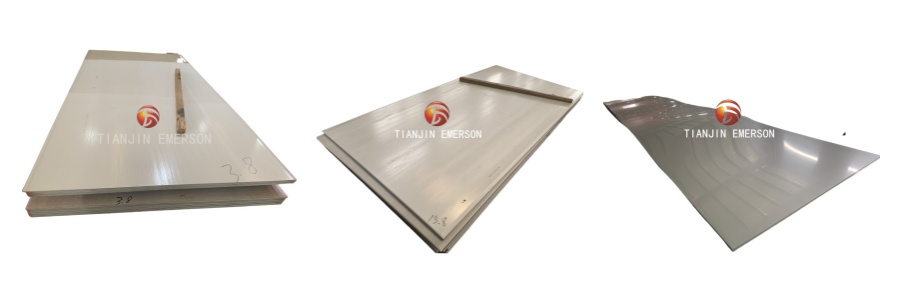
Steel Plate Stocklist
Stainless steel sheet cold rolled(2B)
| Grade | Thickness | Width | length | Surface treatment |
| 301,304,304L,316,316L,316Ti | 0.3~3.0 | 1000mm or 1219mm | 1000mm or 2438mm or coil | Solid Solution pickling |
| 410S,410,430,SUS410S,SUS410 SUS420J1SUS420J2,X6CrNiTi18-10 (1.4541),X6Cr13(1.4000), | 0.3~3.0 | 1000mm or 1219mm | coil | Annealing pickling |
| SUS301,SUS304,SUS304L,SUS316,SUS316L,SUS316Ti,SUS321,X10CrNi8-8(1.4310),X5CrNi18-10(1.4301),X2CrNi18-9(1.4307),X5CrNiMo17-12-2(1.4401),X2CrNiMo17-12-2(1.4404),X6CrNiMoTi17-12-2(1.4571), | 0.3~3.0 | 1000mm or 1219mm | 2000mm or 2438mm or coil | Solid Solution pickling |
| SUS430,X12CR13(1.4006),X20Cr13(1.4021),X30Cr13(1.4028),X6Cr17(1.4016) | 0.3~3.0 | 1000mm or 1219mm | 2000mm or 2438mm or coil | Annealed pickling |
| SUH409L,X2CrTi12(1.4512) | 0.3~3.0 | 1000mm—1250mm | coil | Annealed pickling |
Stainless steel sheet hot rolled
| Grade | Thickness | Width | length | Surface treatment |
| 301,304,304L,316,316L,316Ti,410,SUS301,SUS304、SUS304L,SUS316,SUS316L,SUS316Ti,SUS321,X10CrNi8-8(1.4310),X5CrNi18-10(1.4301),X2CrNi18-9(1.4307),X5CrNiMo17-12-2(1.4401),X2CrNiMo17-12-2(1.4404),X6CrNiMoTi17-12-2(1.4571),X6CrNiTi18-10 | 3.0~14.0 | 1000mm or 1219>1500~2000 | Coil or cut to below 6m | Solid solution pickling |
| 410S,SUS410S | 3.0~8.0 | 1000mm or 1219>1500~2000 | coil | Annealed pickling |
| 405,430,SUS430,SUH405,X6CRAL13(1.4002) | 2.5~7.0 | 1000~1500 | coil | Annealed pickling |
| SUS410,SUS420J1,SUS420J2,X6Cr13(1.4000),X12CR13(1.4006),X20Cr13(1.4021),X30Cr13(1.4028) | 3.0~14.0 | 1000~1250 | coil | Annealed pickling |
Stainless steel medium thick plate
| Grade | Thickness | Width | length | Surface treatment |
| 304,304L,316,316L,316Ti,SUS304,SUS304L,SUS316,SUS316L,SUS316Ti,SUS321,X5CrNi18-10(1.4301),X2CrNi18-9(1.4307),X5CrNiMo17-12-2(1.4401),X2CrNiMo17-12-2(1.4404),X6CrNiMoTi17-12-2(1.4571),X6CrNiTi18-10 | 10~160 | 1500~3000 | 4000-10000 | Solid solution pickling |
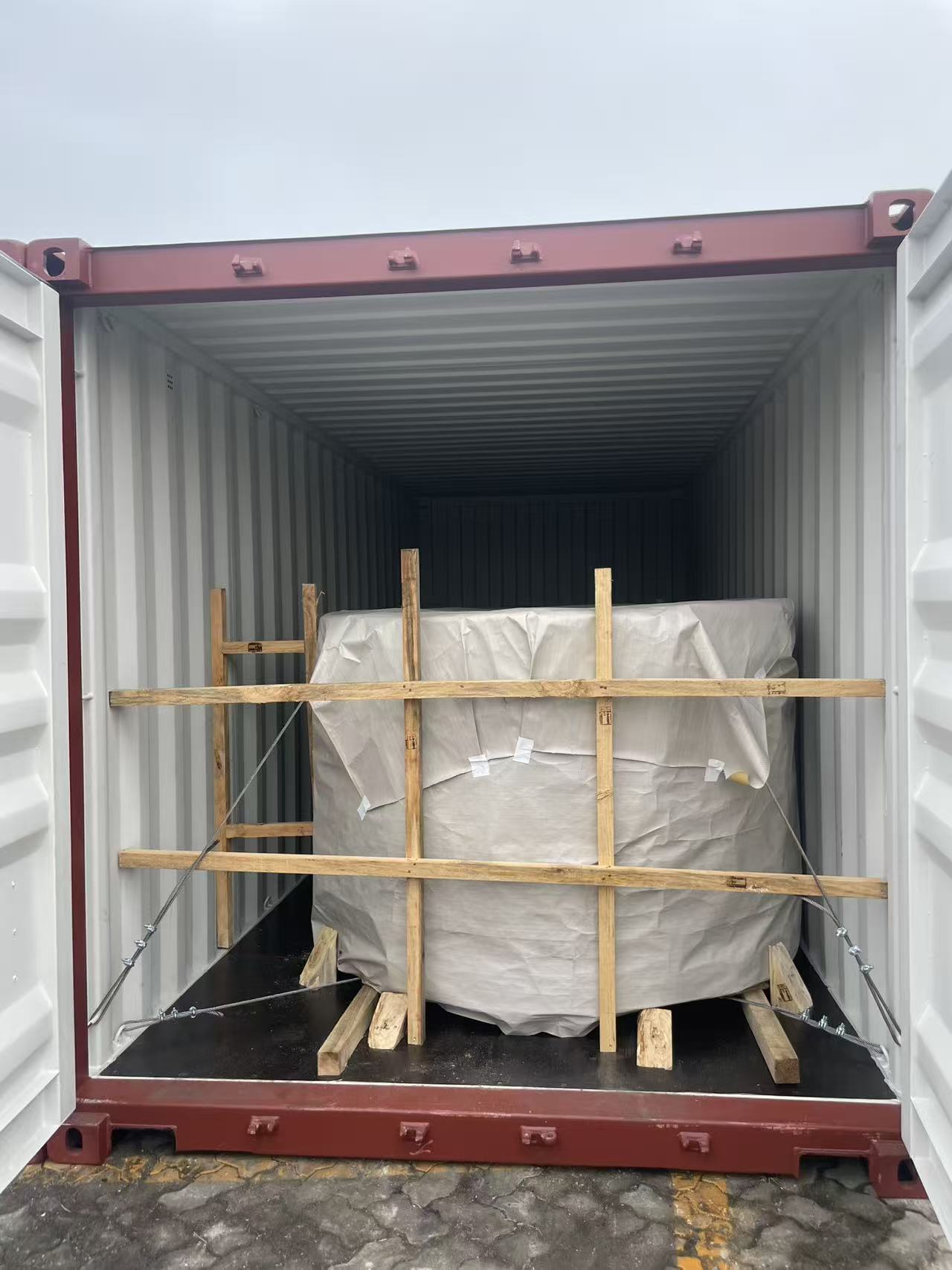
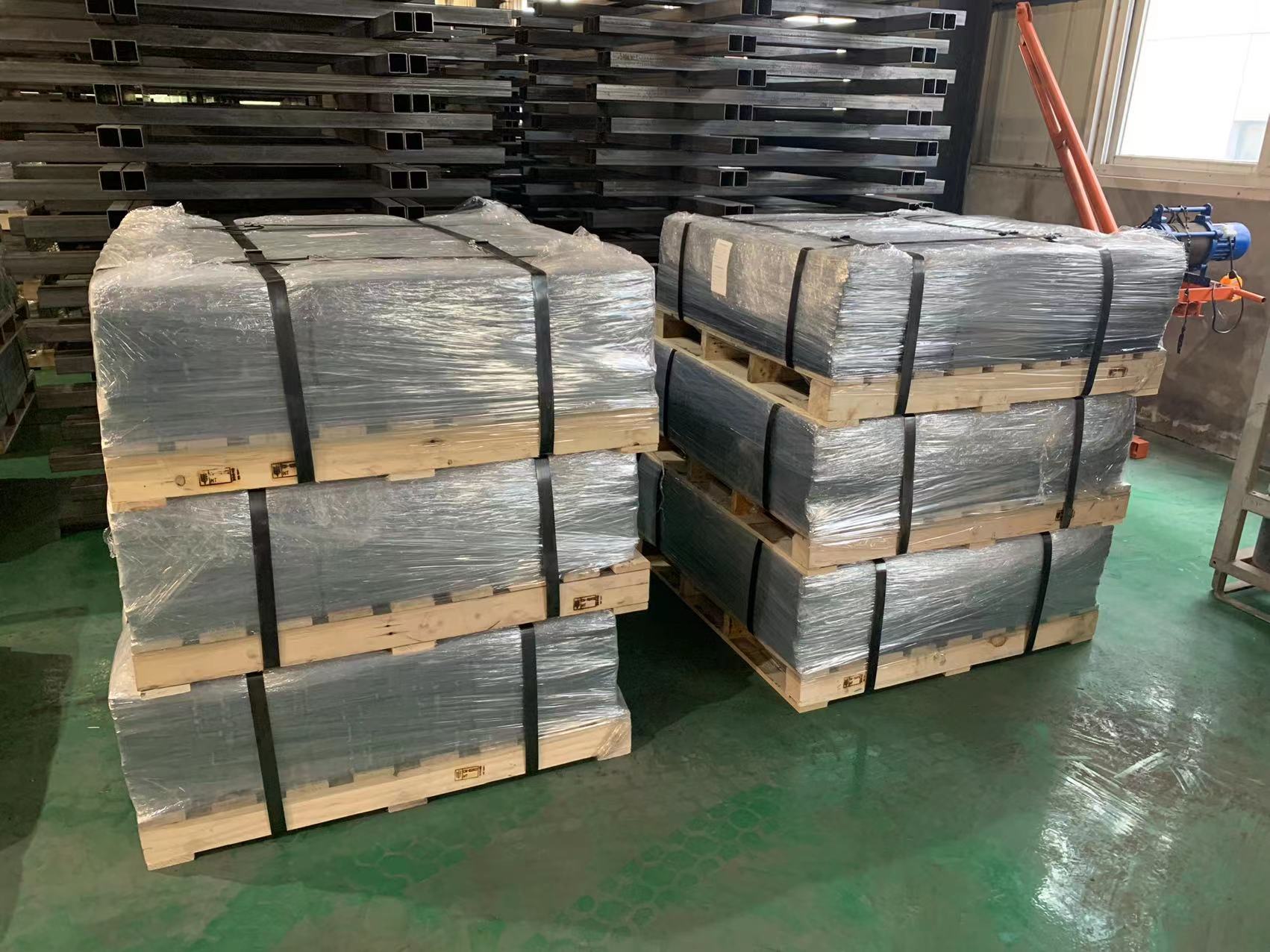
Packing and Delivery
FAQ
Q: What is the main difference between 304 and 304L stainless steel?
A: The core difference lies in carbon content:
304: Carbon content ≤0.08%
304L: Carbon content ≤0.03% (“L” stands for Low Carbon)
Q: Which is more suitable for welding?
A: 304L is more suitable for welding. 304 may require heat treatment after welding, while 304L can be used directly after welding.
Q: When is 304L required?
A: 304L is the preferred choice for large welded structures (storage tanks, pipelines, pressure vessels), components that cannot undergo heat treatment after welding, welded parts used in corrosive environments, chemical processing equipment, food processing equipment, etc.
Q: Can 304/304L rust?
A: Yes, under specific conditions. Although called “stainless steel,” it can corrode in seawater, strong acids, strong alkalis, and high-temperature oxidation environments.
Q: Are both grades food-grade?
A: Yes. Both 304 and 304L comply with food-grade standards such as FDA and EU regulations, and are widely used in tableware, kitchenware, and food processing equipment.
Q: How can I get your quotation as soon as possible?
A:Please contact:
Email:[email protected]
WeChat/Whatsapp/Mobile: + 8613512028034