Steel Coils: Testing Grounds for High-Volume Manufacturing and Coating Durability
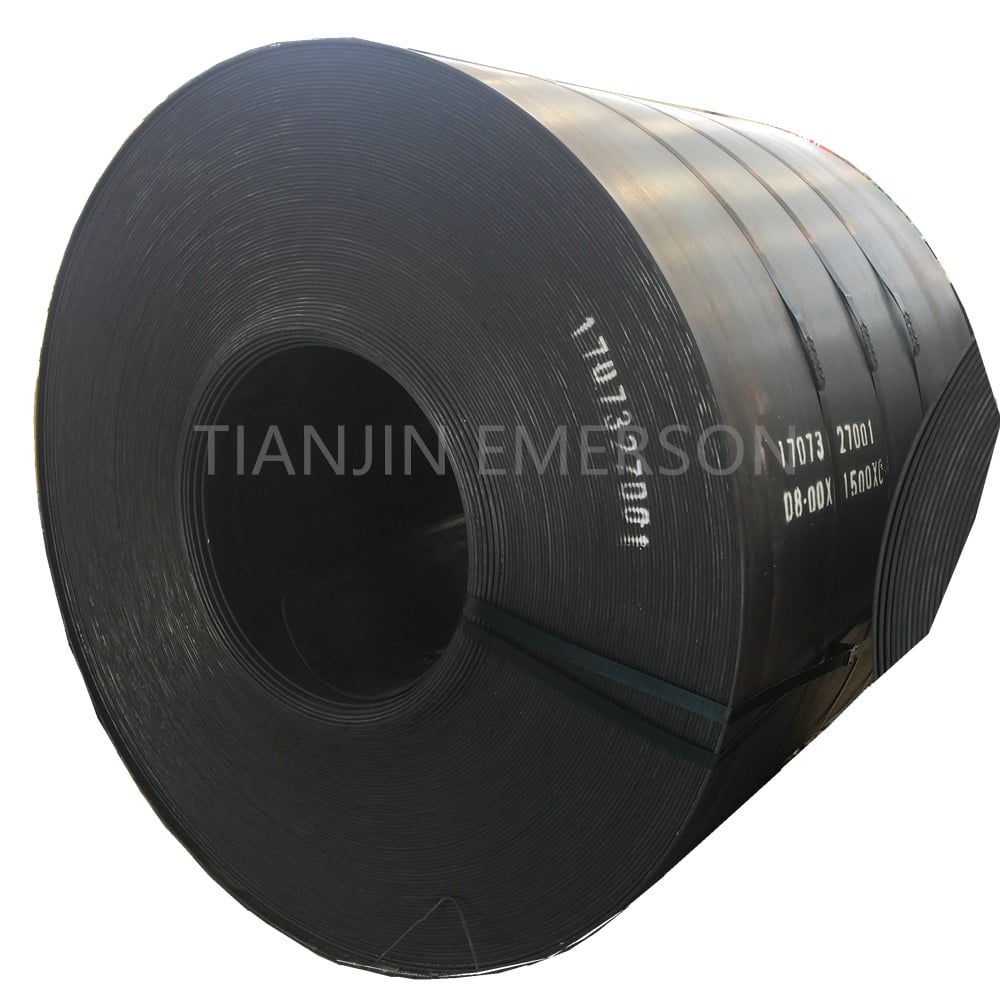
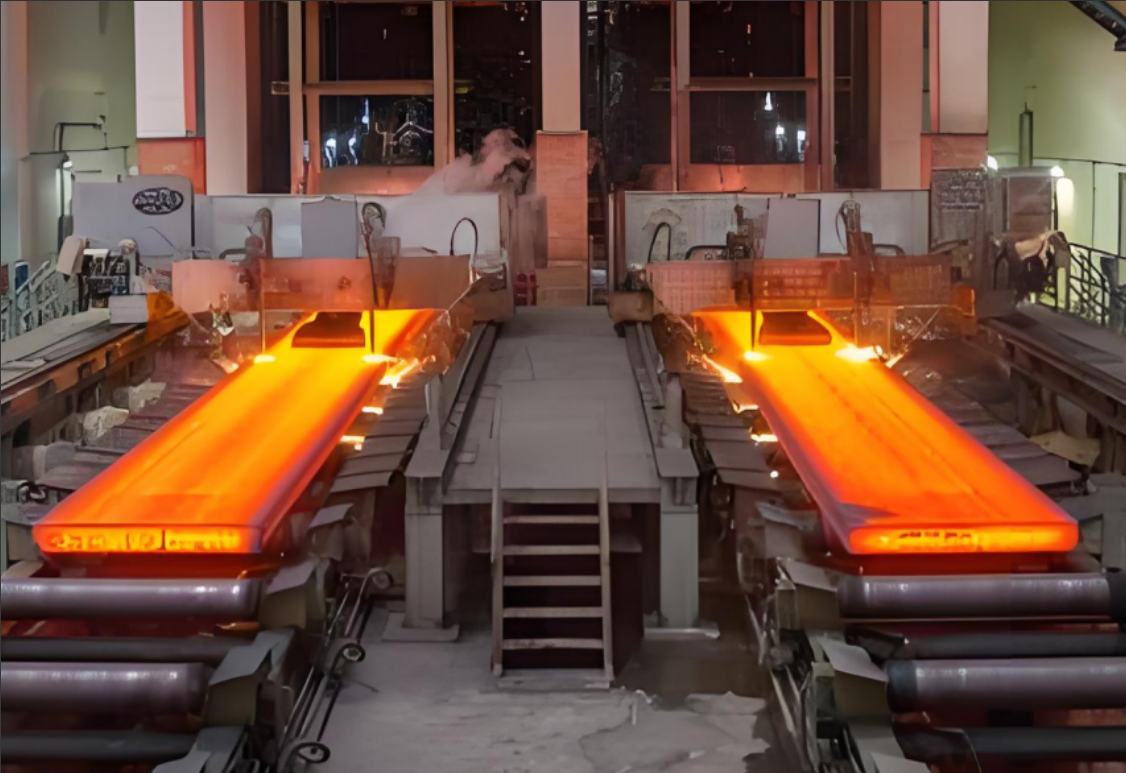
Steel coils serve as the primary feedstock for automated roll forming, stamping, and slitting operations. Their trial fields focus on validating surface quality, mechanical consistency, and coating performance before mass production. Automotive manufacturers test cold-rolled coils for deep drawability (e.g., for door panels) using forming limit diagrams (FLDs) to detect edge cracking. Appliance makers trial galvanized coils for paint adhesion and corrosion resistance in salt-spray chambers (ASTM B117). Construction sector trials involve weathering steel coils (ASTM A588) exposed to cyclic humidity to verify patina formation. Additionally, coil-fed laser blanking lines are trialed for nesting efficiency and cut-edge quality, ensuring zero-defect blanks for just-in-time delivery. These trial protocols minimize scrap, validate supplier certifications (mill test reports), and guarantee that coil properties—yield strength, elongation, and surface roughness—meet high-volume production demands.
Steel Pipes: Pressure Testing and Weld Integrity for Fluid and Structural Systems
Trial fields for steel pipes prioritize pressure containment, weld seam reliability, and corrosion resistance under simulated service conditions. Seamless pipes (ASTM A106, API 5L) undergo hydrostatic testing at 1.5 times design pressure, monitored for leakage and permanent expansion. Welded pipes (ERW, LSAW, SSAW) are trialed with non-destructive testing (NDT) including ultrasonic (UT) and radiographic (RT) to verify full fusion and lack of laminations. For oil and gas risers, full-scale fatigue testing cycles pipes under combined tension and bending loads. Structural hollow sections (ASTM A500) are trialed in sub-zero Charpy impact chambers to confirm ductility for Arctic construction. In water infrastructure, cement-mortar-lined pipes are tested for abrasion resistance using slurry flow loops. These trial fields validate that each pipe batch meets design code requirements (e.g., ASME B31.3) before field installation, preventing in-service leaks or failures.
Steel Plates: Mechanical and Welding Qualification for Heavy Fabrications
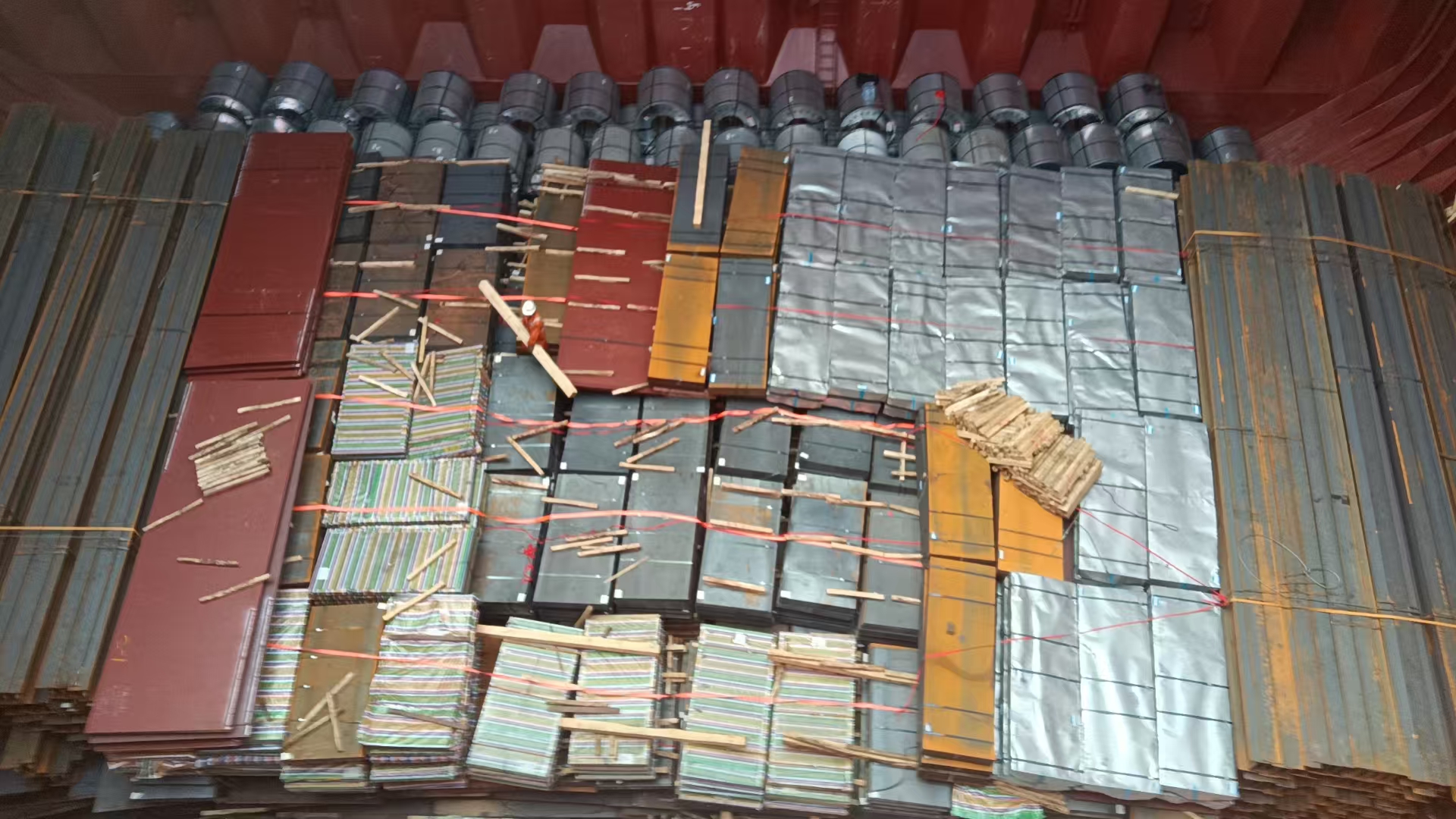
Steel plates are trialed for uniform mechanical properties, weldability, and dimensional stability in heavy engineering projects. Thick plates (up to 150mm) undergo through-thickness tensile testing (Z-direction) to detect laminations that could cause lamellar tearing under welded restraint. Pressure vessel plates (ASTM A516) are subjected to simulated post-weld heat treatment (PWHT) cycles followed by Charpy impact testing at -20°C to verify retained toughness. For bridge and offshore applications, quenched and tempered plates (ASTM A514) are trialed with transverse and longitudinal bend tests. Fabricators also perform test welds using qualified procedures (WPS) on production plates, checking macro-etch specimens for fusion penetration and hardness profiling. Plate flatness trials after laser or plasma cutting confirm compliance with ASTM A6 tolerances. These trials ensure that each plate lot provides reliable performance in final assemblies—from crane booms to ship hulls—without unexpected cracking or distortion.