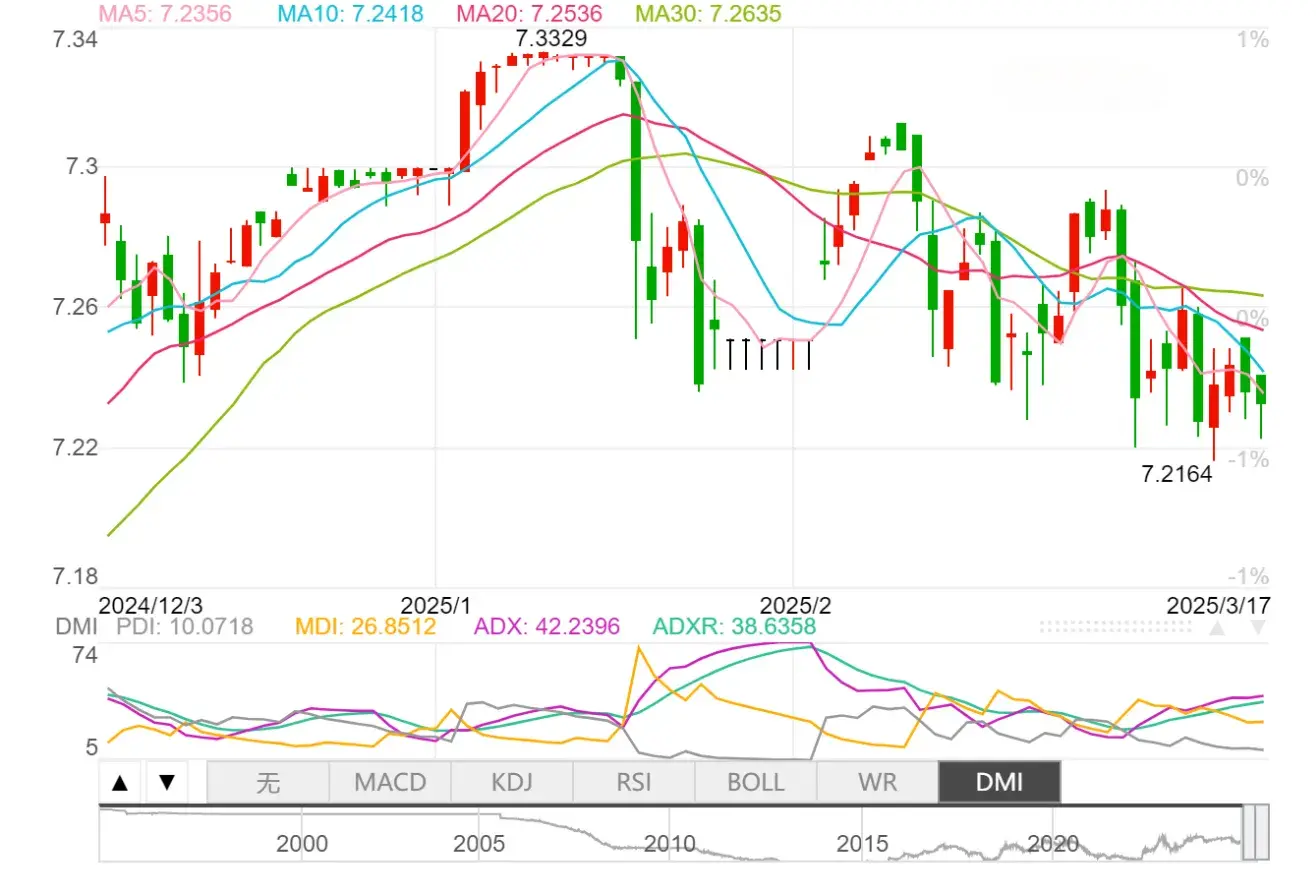
The USD/CNY exchange rate is 7.2323, the top exchange rate is 7.3329 on 2025-01-14, it get down a lot since January to March, it says the exchange rate will go down furthur in the future days, it will effect the export price, making the FOB Price is higher.
Recently, the State Administration of Foreign Exchange released data on foreign exchange receipts, payments, and settlements for bank clients in February 2025. Li Bin, Deputy Director and spokesperson of the State Administration of Foreign Exchange, answered questions from reporters regarding the foreign exchange revenue and expenditure situation in February 2025.
Q: What changes have occurred in China's foreign exchange balance in February 2025?
Answer: The foreign exchange market operated smoothly in February, with a net inflow of cross-border funds. In February, non bank sectors such as enterprises and individuals had a cross-border revenue and expenditure surplus of 29 billion US dollars. From the main channels, firstly, China's foreign trade has developed steadily, with a net inflow of cross-border funds of 64.8 billion US dollars under goods trade, continuing to be at a relatively high level in the same period of history. Secondly, the domestic economy has rebounded and improved, and technological development has boosted market confidence. In February, foreign investors increased their net holdings of domestic bonds and stocks by a total of $12.7 billion. Thirdly, the outflow of service trade and investment income funds is at a seasonal low. In February, the difference between bank settlement and sale of foreign exchange tended to be basically balanced, and the foreign exchange purchase rate, which measures the willingness of enterprises and individuals to purchase foreign exchange, significantly fell. Market expectations and transactions remained rational and orderly, and the overall balance of domestic and foreign exchange supply and demand was maintained.