Uncoiling and Leveling: Transforming Coil into Precision Plate
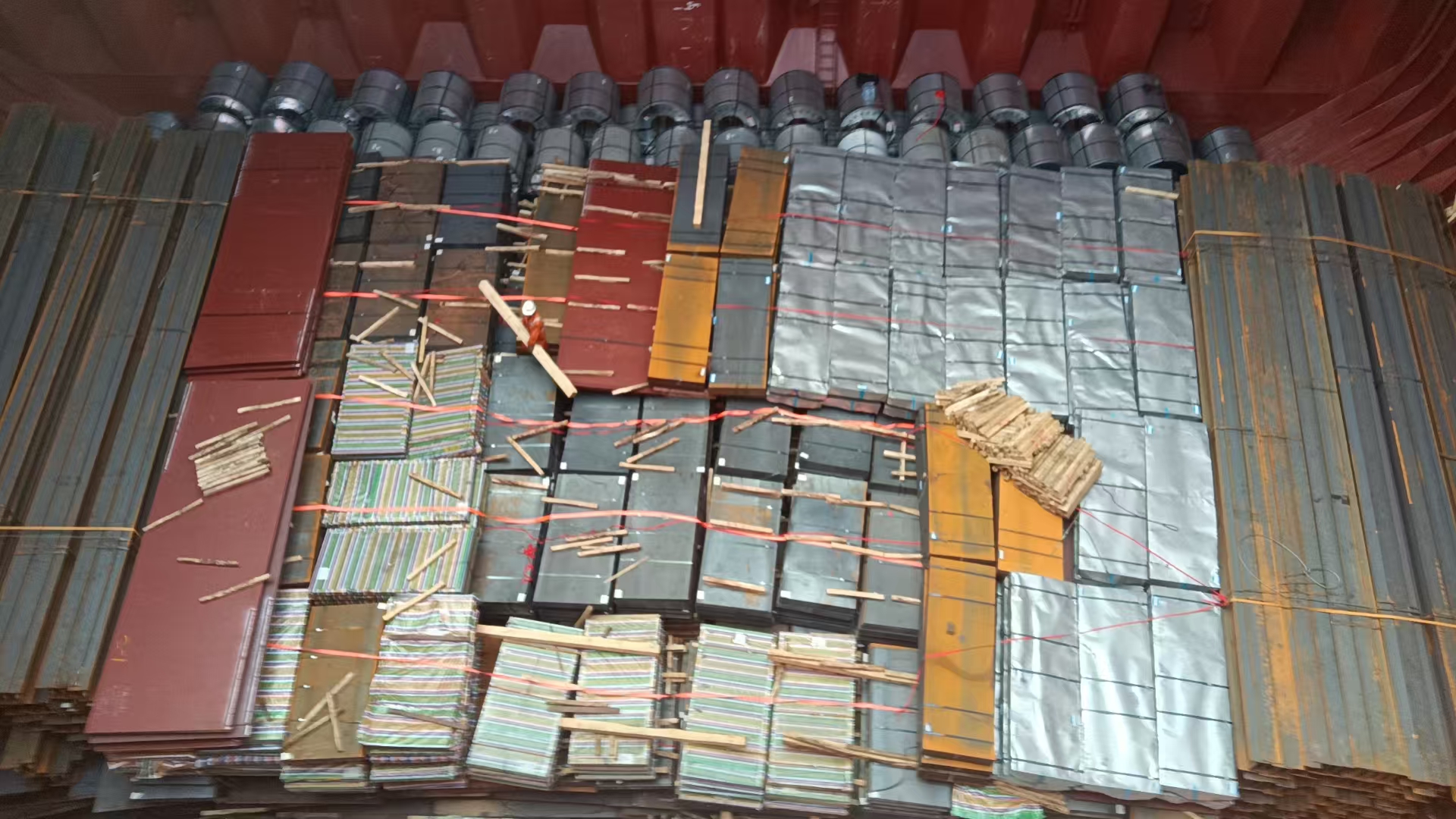
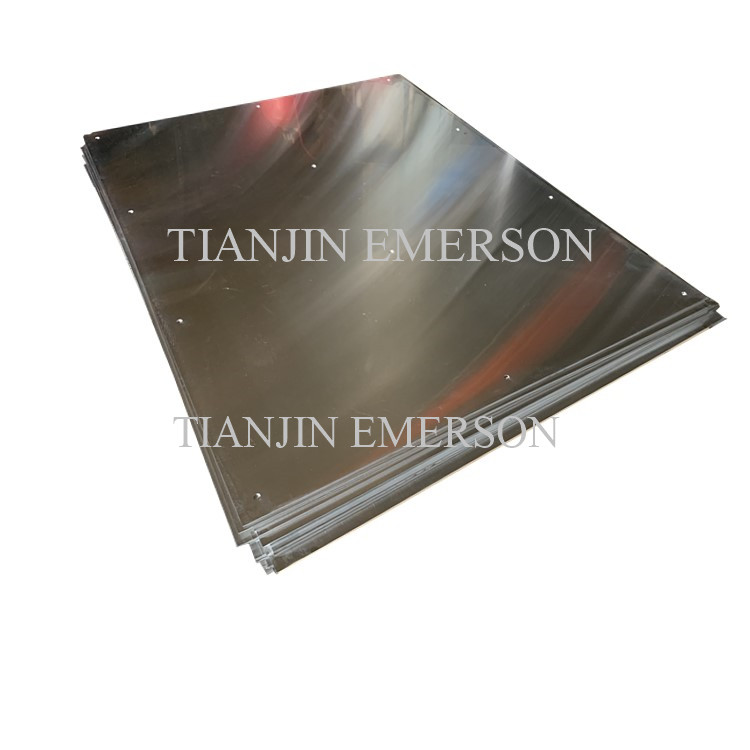
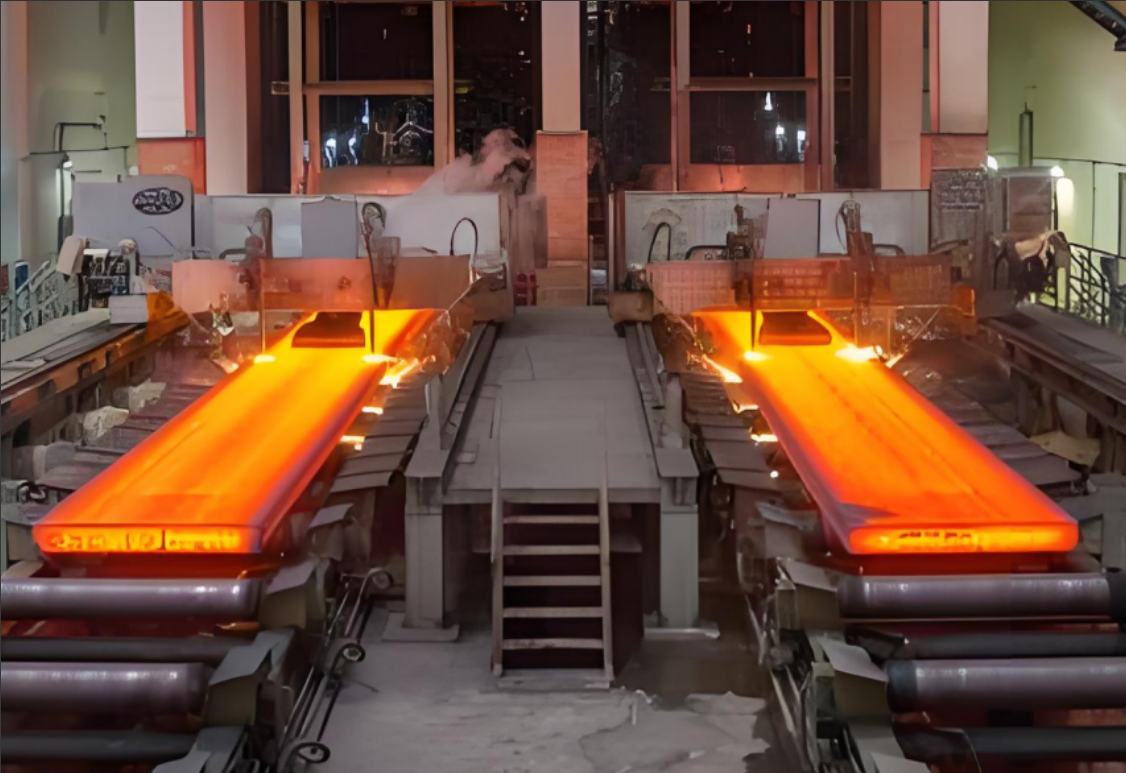
The laser cutting process for steel components begins upstream of the laser itself: master steel coils must first be converted into perfectly flat plates suitable for high-accuracy profiling. The coil, typically weighing 5-15 metric tons, is mounted on a decoiler and fed through a series of leveling rolls that progressively eliminate coil set, crossbow, and edge wave—shape imperfections induced during winding. This multi-roller leveler applies alternating bending stresses that plastically deform the strip, achieving flatness standards better than 1mm per meter. The leveled strip then enters a precision cut-to-length shear, where an encoder measures the strip length and a flying shear or guillotine cuts it into discrete plates of programmed dimensions. Throughout this process, surface protection—oil film or paper interleaving—may be applied to prevent scratching. The resulting stacked plates are flat, stress-relieved, and ready for laser cutting, with dimensions customized to the part nest rather than forced into standard sheet sizes. This coil-to-plate conversion is essential for high-material-utilization fabrication, as it allows fabricators to order exact blank sizes that eliminate the edge scrap typical of standard plates.
Laser Cutting: High-Speed Profiling with Gas Assist
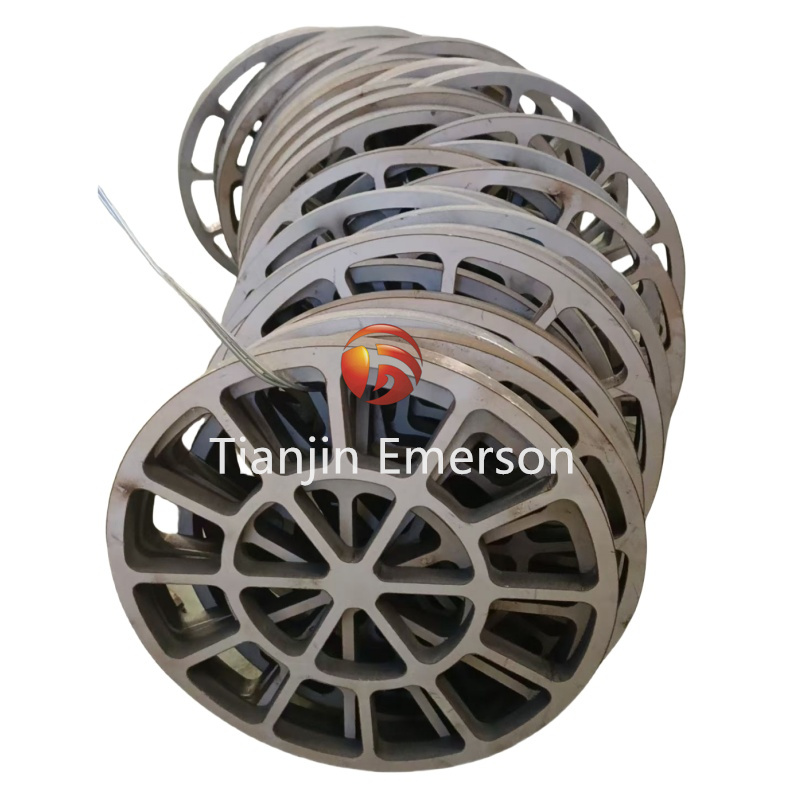
Once flat plates are prepared, the laser cutting stage converts the blank into finished components. A fiber laser resonator generates a high-power beam (2-30 kW) that is focused through a nozzle onto the plate surface. Assist gas—typically oxygen for carbon steel, nitrogen for stainless steel and aluminum—is co-axial with the beam. The gas serves dual purposes: it expels molten material from the kerf and, in oxygen-assist mode, adds exothermic energy to speed cutting. The CNC-controlled cutting head moves along the programmed toolpath, with real-time height sensing adjusting focus to maintain consistent standoff despite minor plate warpage. Modern laser systems achieve positioning accuracies of ±0.1mm and kerf widths as narrow as 0.15mm, producing burr-free edges that often require no secondary deburring. For thick plates, advanced features such as pulse cutting, adaptive focal position, and multi-pass strategies maintain edge squareness and minimize dross. The entire operation is driven by CAD/CAM nesting software that arranges parts to maximize material yield, often exceeding 90% utilization. Laser cutting of leveled plate delivers complex geometries, tight tolerances, and rapid turnaround, making it ideal for custom parts in automotive, construction, and industrial equipment manufacturing.
Quality Control and Post-Processing for Precision Parts
After laser cutting, the finished components undergo dimensional verification and edge finishing. First-article inspection uses coordinate measuring machines (CMMs) or optical comparators to confirm that hole diameters, slot widths, and contour profiles meet drawing tolerances—typically ±0.1-0.2mm for standard fabrication. For parts requiring weld preparation, the laser can be programmed to create bevels (V, Y, X, K profiles) directly during cutting, eliminating a separate machining step. Edges are inspected for dross or heat-affected zone (HAZ) hardening; if present, light grinding or tumbling removes any residual slag. For stainless steel, the HAZ may require pickling or passivation to restore corrosion resistance. Finally, parts are cleaned of cutting residue, oil, and fines, then either shipped directly or routed to bending, welding, or coating stations. The entire workflow—from coil leveling to cut-to-length to laser profiling—is digitally integrated, with barcode tracking linking each part back to its original coil heat number. This closed-loop process ensures traceability, repeatability, and cost efficiency, making laser cut steel plate the preferred blank for high-precision metal fabrication.