Understanding the Fundamental Difference: Temperature
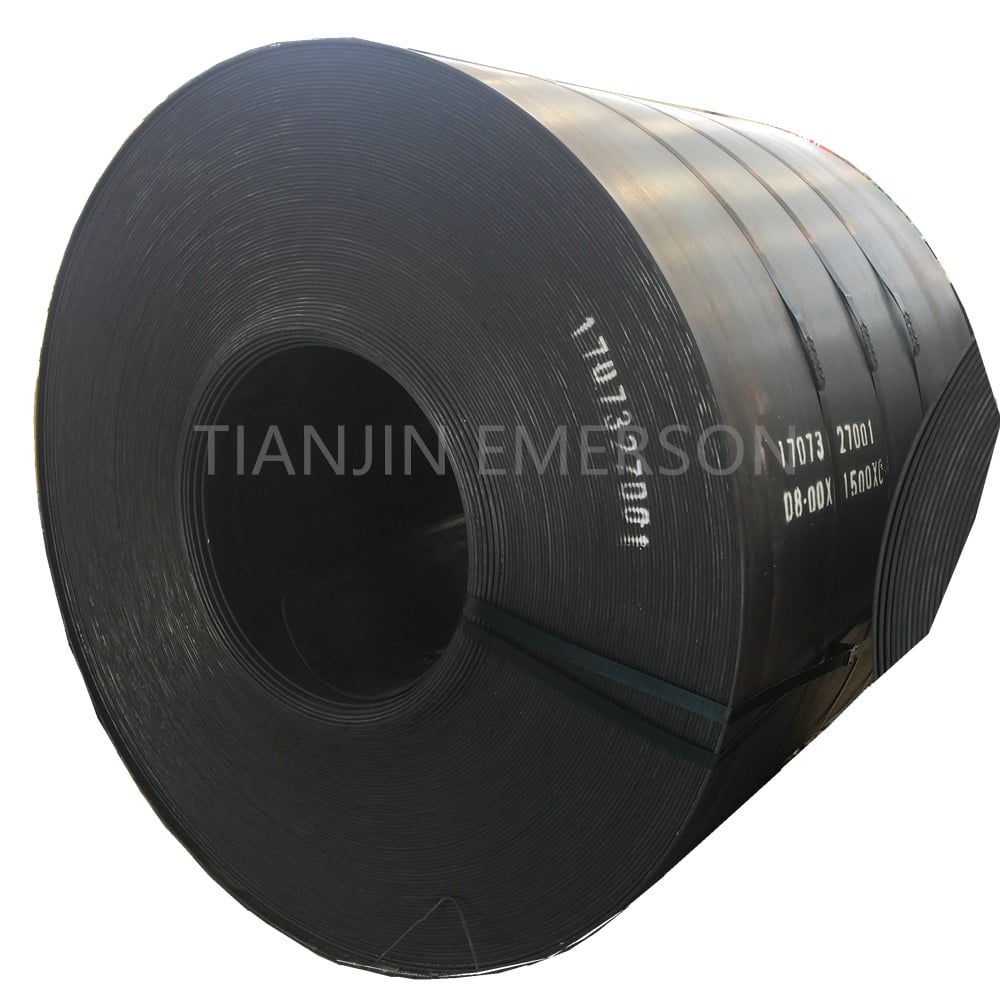
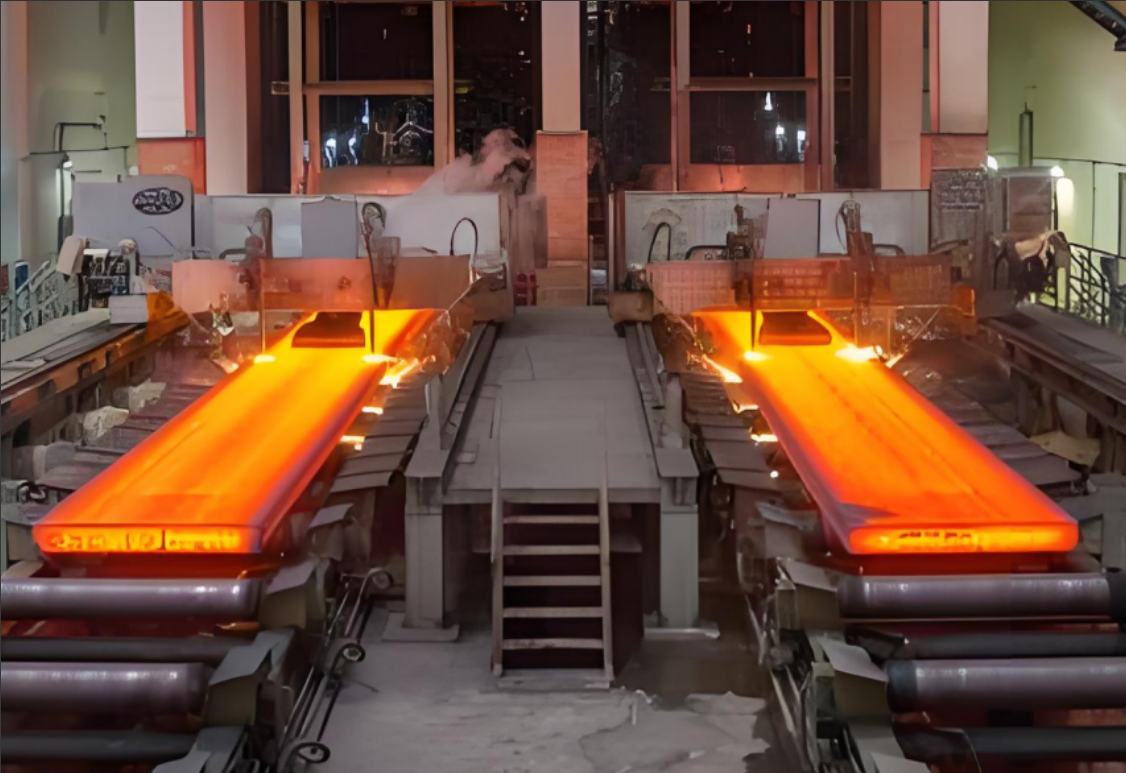
The distinction between cold-rolled (CR) and hot-rolled (HR) steel lies entirely in the temperature at which the steel is processed after initial forming. Hot-rolled steel is rolled at extremely high temperatures—typically above 1,700°F (approximately 925°C), well above the steel’s recrystallization temperature. At this elevated temperature, the steel becomes highly ductile and malleable, allowing it to be easily shaped into large structural sections, plates, coils, and beams. After rolling, the steel is cooled naturally at room temperature. However, during this cooling phase, the material undergoes slight shrinkage, which results in less precise dimensions and a rough, scaled surface caused by oxidation (mill scale). Cold-rolled steel, by contrast, begins as hot-rolled steel that has been pickled (chemically cleaned) to remove the mill scale and then rolled again at or near room temperature. This secondary cold reduction occurs below the recrystallization temperature, fundamentally altering the steel’s crystal structure through work hardening or strain hardening.
Key Differences: Surface, Tolerance, and Strength
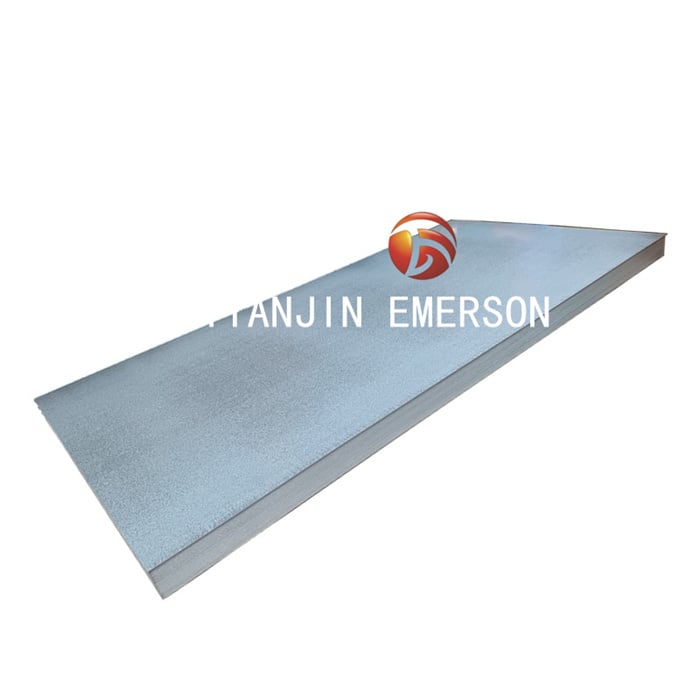
The cold rolling process imparts three distinct advantages that set CR steel apart from HR steel. First, surface finish: CR steel possesses a smooth, clean, often slightly oily surface that is ready for painting, plating, or coating without extensive preparation, whereas HR steel exhibits a rough, blue-gray surface with mill scale (a flaky oxide layer) and rounded edges. Second, dimensional precision: CR steel achieves much tighter tolerances and superior flatness compared to HR steel, which exhibits looser tolerances due to the natural shrinkage that occurs as the material cools after hot rolling. Third, mechanical properties: The work hardening effect of cold rolling increases yield strength, tensile strength, and hardness—typically by 10–20%—while reducing ductility slightly. HR steel remains more ductile and tougher, with virtually no internal stresses after cooling, making it more forgiving during heavy forming and welding operations. For sheet products, cold-rolled steel is generally specified in thicknesses from 0.3mm to 3.0mm, while hot-rolled sheet covers gauges from 1.2mm up to 20mm and heavy plate extends to 150mm or more.
Applications and Cost Considerations
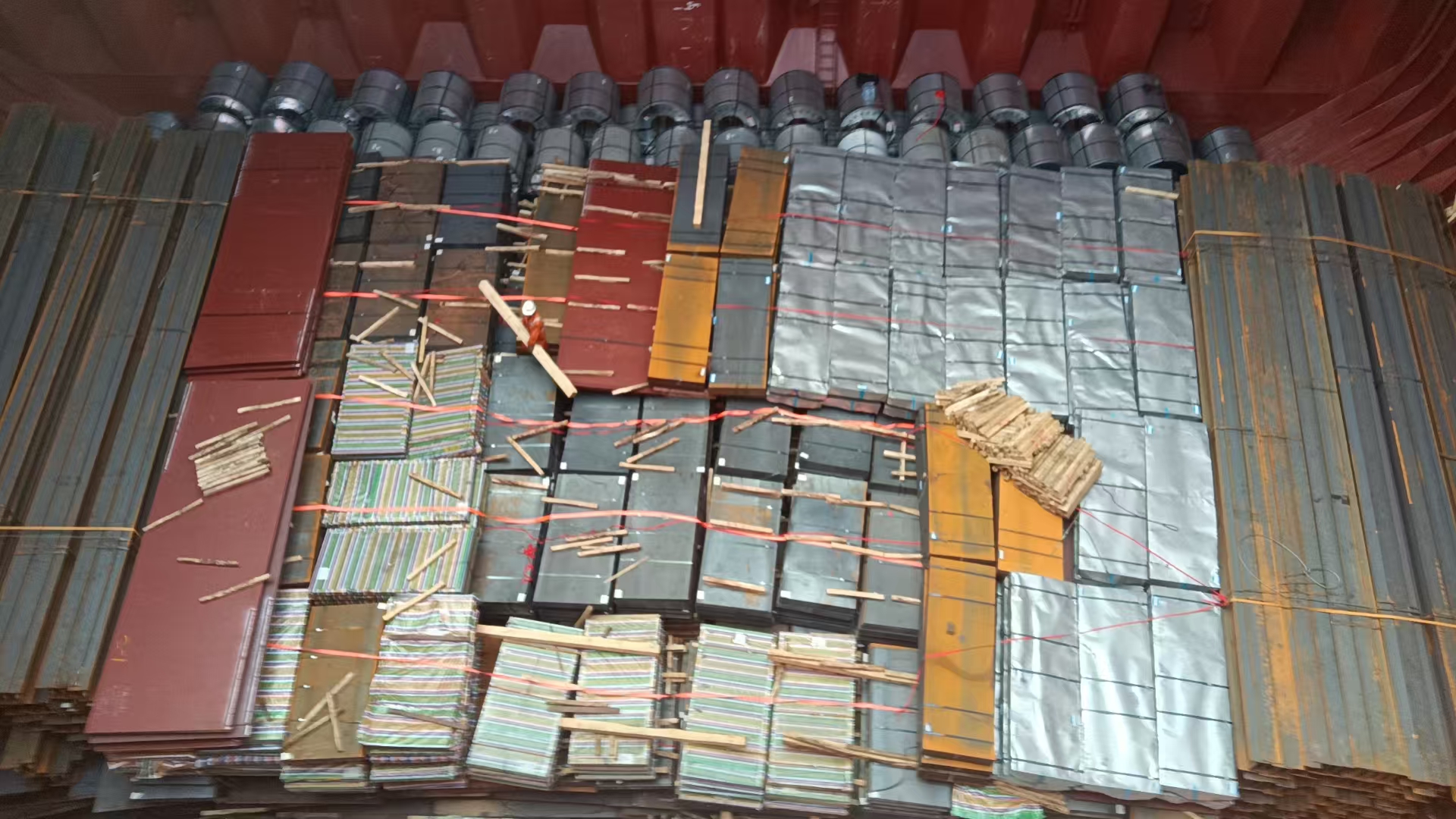
Each type of steel occupies a distinct application space, and the choice between them should be driven by project requirements rather than personal preference. Hot-rolled steel dominates structural and heavy-duty applications. It is the standard material for building beams and columns, bridge components, railway tracks, heavy machinery frames, ship hulls, pressure vessels, and transmission pipeline mother pipes. Its lower cost—typically up to 30% less than CR steel—and excellent weldability make it the economical choice for large-scale projects where surface appearance and ultra-tight tolerances are not critical. For visible or precision-critical applications, CR steel is the default option. It is essential for automotive body panels (doors, hoods, fenders), home appliance casings (refrigerators, washing machines), office furniture, filing cabinets, lighting fixtures, precision enclosures, and deep-drawn stamped components. While CR steel carries a higher initial material cost due to its additional processing steps, this premium can be offset by reduced secondary finishing, lower defect rates, and greater production efficiency in automated high-speed manufacturing lines. Ultimately, there is no universally “better” steel—only the right choice for each specific application, balancing the priorities of cost, precision, surface quality, strength, ductility, and fabrication requirements.