Introduction: A Cornerstone of Corrosion-Resistant Manufacturing
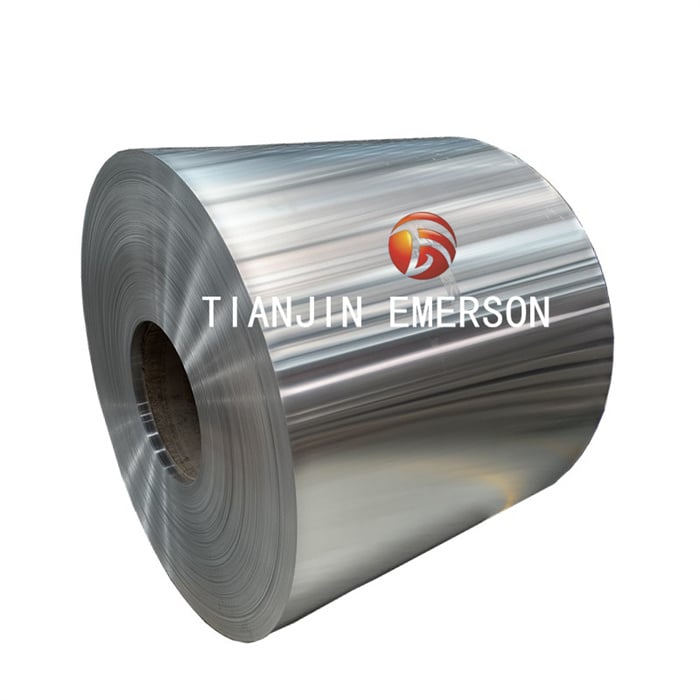
Galvanized steel coils, also known as GI coils or zinc-coated steel coils, occupy a fundamental position in modern industrial manufacturing. By applying a protective zinc coating to cold-rolled or hot-rolled steel substrate through the continuous hot-dip galvanizing process, these coils combine the structural strength of steel with exceptional corrosion resistance. This dual nature makes galvanized coils indispensable across construction, automotive, appliance, HVAC, agriculture, and infrastructure sectors. As industries demand longer service life, lower maintenance costs, and sustainable materials, the role of galvanized steel coils continues to expand, establishing them as one of the most widely consumed flat steel products in the global market.
Manufacturing Process and Coating Formation
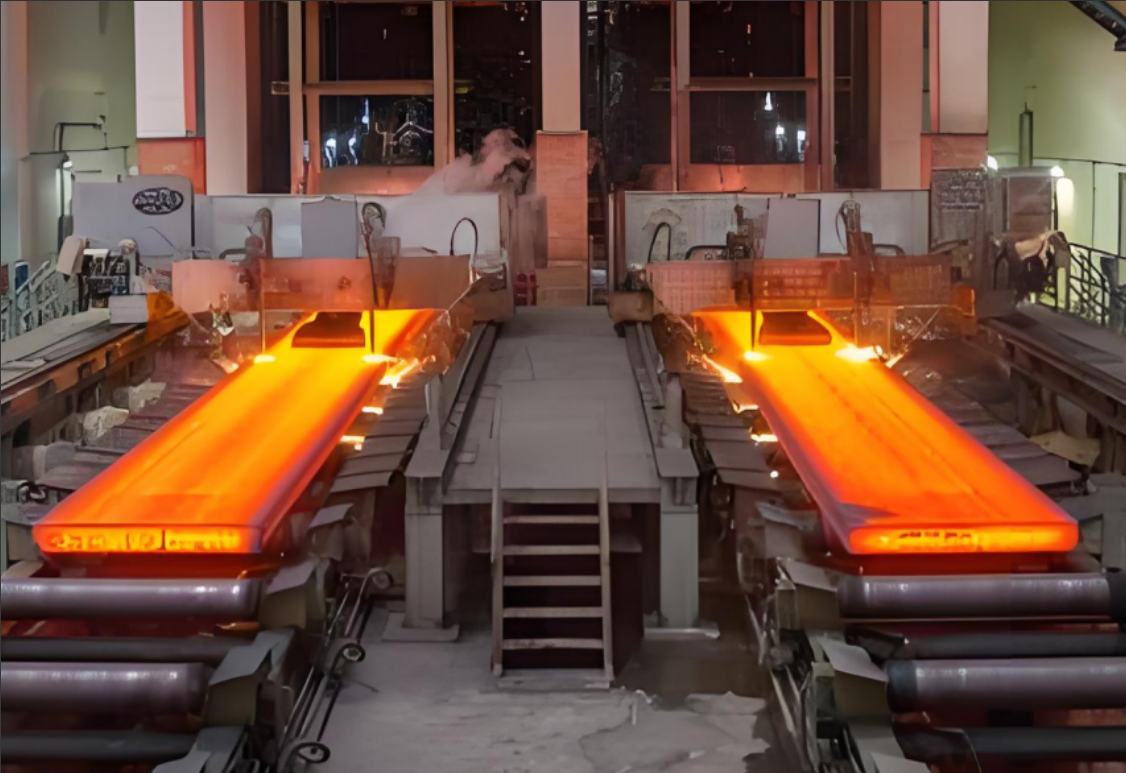
The production of galvanized coils begins with a carefully cleaned steel strip passing through a molten zinc bath at approximately 450°C. The metallurgical reaction forms a series of zinc-iron alloy layers topped with a pure zinc outer layer, creating a metallurgically bonded coating that cannot be easily peeled or flaked. Coating weights are precisely controlled, typically ranging from Z60 to Z350 g/m², depending on the application environment. The continuous process ensures uniform coating thickness, excellent surface quality, and consistent mechanical properties. Modern galvanizing lines also offer options such as skin-passing, tension leveling, and passivation treatment, delivering galvanized steel coil that is ready for immediate fabrication, including laser cutting, CNC bending, roll forming, and welding.
Corrosion Protection: Barrier and Sacrificial Mechanisms
The industrial value of galvanized coils lies primarily in their dual corrosion protection mechanism. The zinc coating acts as a physical barrier, isolating the steel substrate from moisture, oxygen, and pollutants. More importantly, zinc provides sacrificial cathodic protection: if the coating is scratched or cut, the surrounding zinc corrodes preferentially, protecting the exposed steel from rust. This self-healing property ensures that fabricated parts maintain their integrity even after cutting, punching, or bending. Compared with uncoated carbon steel, galvanized steel coil can extend service life by 20 to 50 years in atmospheric environments, dramatically reducing maintenance and replacement costs in industrial operations.
Construction and Infrastructure Applications
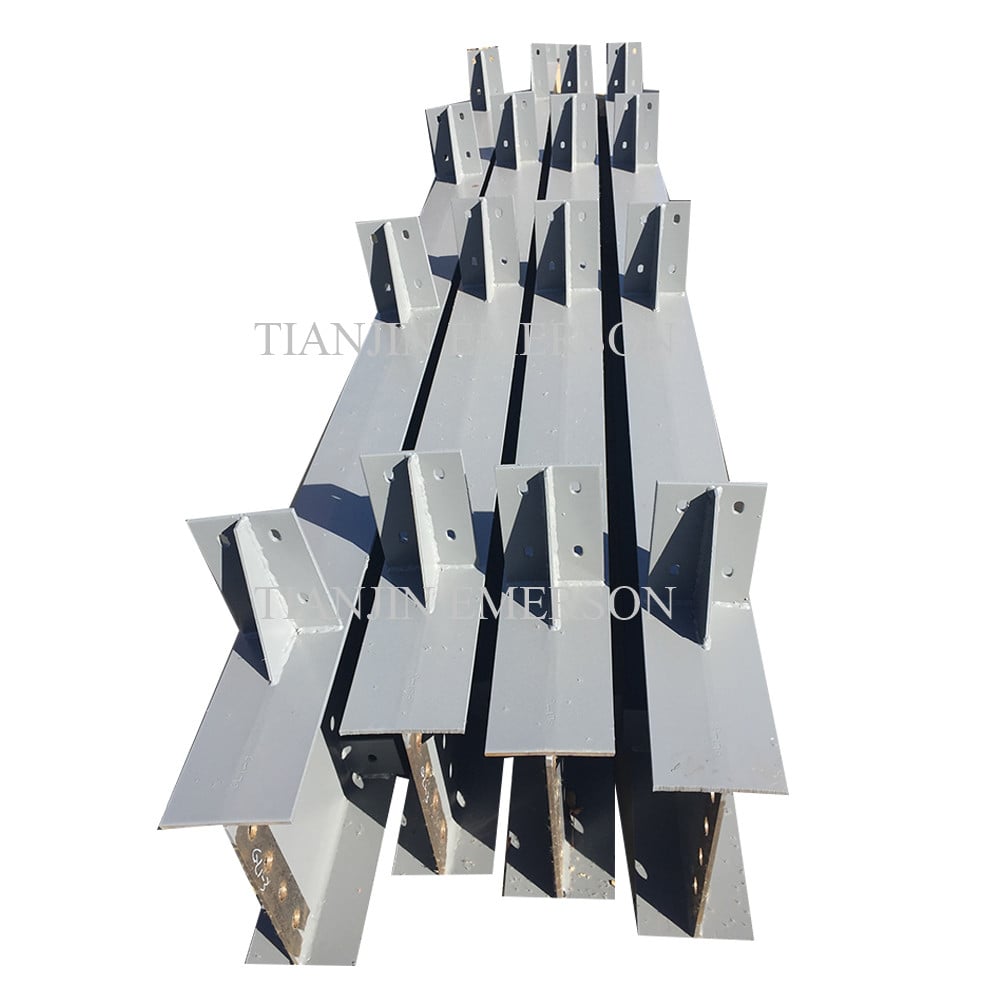
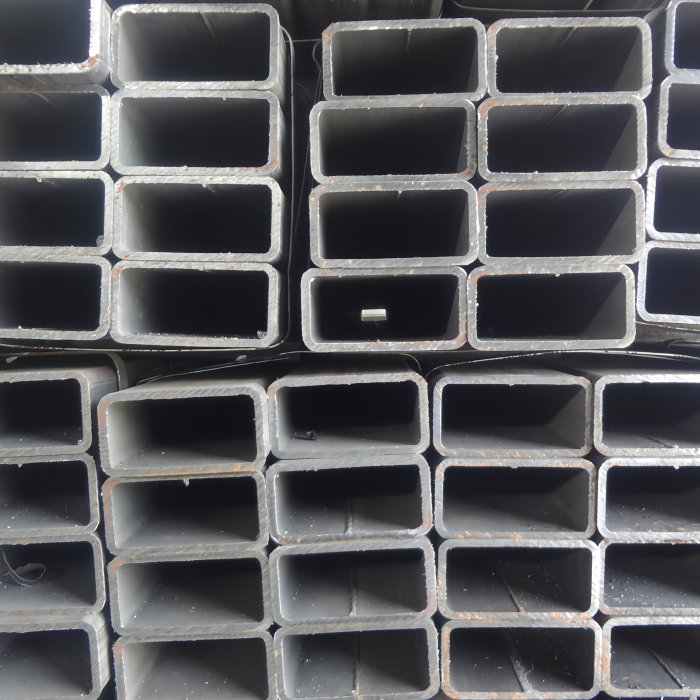
In the construction industry, galvanized coils are roll-formed into roofing sheets, wall cladding, purlins, girts, and structural profiles. Their corrosion resistance makes them suitable for industrial warehouses, agricultural buildings, commercial facades, and coastal structures. Galvanized steel coil is also used for scaffolding, guardrails, walkways, and mezzanine flooring. Because the zinc coating withstands weathering and humidity, galvanized components require no painting in many applications, lowering both initial and lifecycle costs. In infrastructure projects, galvanized coils are fabricated into cable trays, drainage channels, and bridge accessories, contributing to durable and low-maintenance public works.
Automotive and Transportation Applications
The automotive and transportation sectors rely on galvanized steel coils for body panels, underbody components, chassis brackets, exhaust systems, and truck trailer frames. Zinc-coated steel offers the strength needed for structural parts while resisting road salt, moisture, and stone-chip damage. In commercial vehicles, galvanized coils are used for cargo container panels, bus body structures, and railcar components. The material’s excellent formability supports high-speed stamping and roll forming, enabling manufacturers to achieve complex geometries without compromising corrosion protection. As electric vehicles and lightweight designs gain prominence, galvanized steel coil remains a cost-effective solution for mixed-material assemblies.
Home Appliances and Consumer Goods
The appliance industry is another major consumer of galvanized coils. Refrigerator back panels, washing machine housings, air conditioner casings, microwave oven bodies, and electrical enclosures all benefit from the zinc coating’s resistance to humidity and cleaning agents. Galvanized steel coil provides a smooth, paint-ready surface, allowing manufacturers to apply decorative powder coatings or liquid paints with excellent adhesion. In consumer goods such as shelving, storage cabinets, and furniture frames, galvanized coils deliver durability and a clean appearance at competitive cost. This combination of aesthetics, formability, and corrosion resistance makes galvanized steel a preferred material for high-volume appliance production.
HVAC, Electrical, and Telecommunications
In HVAC systems, galvanized steel coils are fabricated into ductwork, ventilation shafts, and air handling units. The zinc coating resists condensation and airborne contaminants, ensuring long duct life and indoor air quality. For electrical and telecommunications infrastructure, galvanized coils are used in cable trays, conduits, junction boxes, server racks, and equipment enclosures. These applications require reliable protection against moisture, rodents, and electromagnetic interference. Galvanized steel coil also supports the production of solar panel mounting structures, telecommunication towers, and outdoor cabinets, where weather resistance is essential.
Agriculture, Energy, and Heavy Industry
Agricultural operations depend on galvanized coils for grain bins, silos, greenhouse frames, livestock equipment, and irrigation systems. The coating withstands fertilizers, manure, and humid conditions. In the energy sector, galvanized coils are used for solar mounting rails, wind turbine components, and power transmission hardware. Heavy industry utilizes galvanized steel coil for machine guards, conveyor systems, storage racks, and material handling equipment. The material’s ability to resist industrial atmospheres and abrasive wear makes it a practical choice for demanding environments.
Fabrication Advantages and Processing Flexibility
Galvanized coils offer significant fabrication advantages. They can be slit, cut-to-length, laser-cut, plasma-cut, bent, roll-formed, and welded using adapted procedures. While welding requires removal of zinc at the weld zone and proper fume control, modern techniques allow strong, durable joints. The coating also accepts powder coating and painting, enabling duplex systems that combine sacrificial protection with decorative finishes. This processing flexibility allows manufacturers to produce custom metal parts, brackets, enclosures, and structural components with high efficiency and consistent quality.
Sustainability and Lifecycle Benefits
Sustainability is an increasingly important factor in industrial material selection. Galvanized steel is fully recyclable, and zinc is also recoverable. The long service life of galvanized coils reduces raw material consumption, maintenance frequency, and replacement waste. Compared with painted carbon steel, galvanized components often require less energy and resources over their lifecycle. As industries adopt greener supply chains, galvanized coils support circular economy goals while maintaining performance and cost competitiveness.
Conclusion: An Indispensable Industrial Material
Galvanized coils play an irreplaceable role in the industrial field by delivering corrosion resistance, structural strength, formability, and long-term value. From construction and automotive to appliances, HVAC, agriculture, and energy, galvanized steel coil enables durable, low-maintenance products and infrastructure. As manufacturing technologies advance and sustainability requirements tighten, the demand for high-quality galvanized coils, custom processing, and reliable supply will continue to grow. For fabricators and end users alike, galvanized coils remain a strategic material for building a stronger, more resilient industrial future.