Introduction: Defining the Chemical Foundation of Steel Pipes
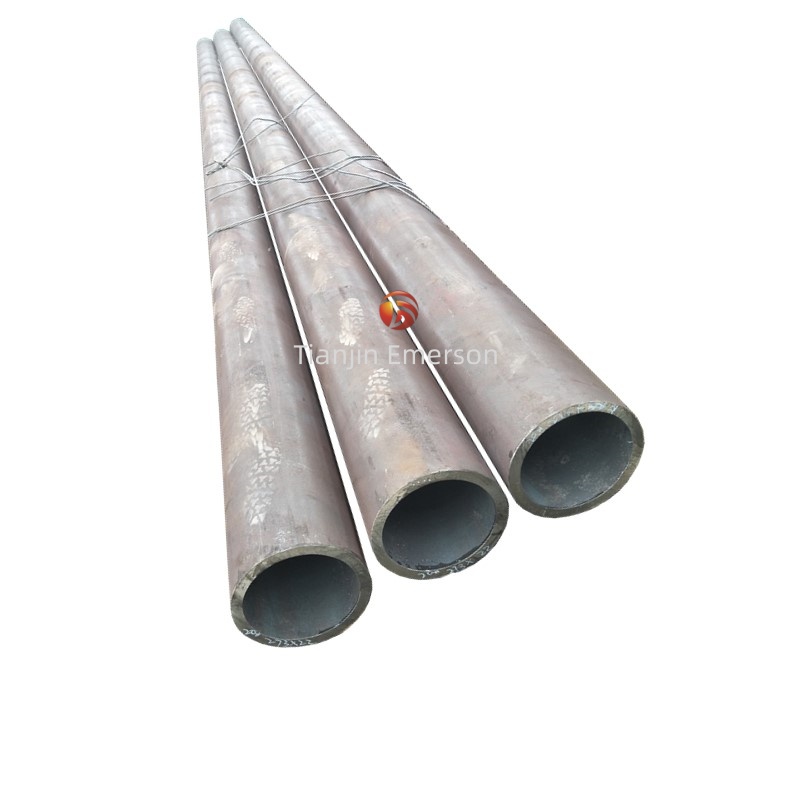
The distinction between alloy steel pipes and carbon steel pipes is fundamentally rooted in their chemical composition. Carbon steel pipes are primarily composed of iron and carbon, with carbon content ranging from 0.05% to 1.35%, depending on the specific grade and intended application. Alloy steel pipes, in contrast, contain deliberate additions of other elements—such as chromium, molybdenum, nickel, vanadium, and manganese—in significant quantities to achieve enhanced mechanical properties, improved corrosion resistance, and superior performance under extreme conditions. This fundamental difference in chemical makeup is the primary reason why these two pipe categories exhibit such distinct characteristics, performance profiles, and application domains.
Carbon Steel Pipe Composition: The Basic Iron-Carbon Alloy
Carbon steel pipes are classified based on their carbon content, which is the primary alloying element. Low-carbon steels, containing 0.05% to 0.25% carbon, are widely used for general structural and piping applications due to their excellent weldability and formability. Medium-carbon steels, with carbon levels of 0.25% to 0.60%, offer higher strength and wear resistance but reduced ductility. High-carbon steels, exceeding 0.60% carbon, provide maximum hardness and strength but are more difficult to weld and form. Beyond carbon, the chemical composition of carbon steel pipes includes manganese (typically 0.30% to 1.60%) for deoxidation and improved strength, silicon (0.15% to 0.40%) for deoxidation, and impurities such as phosphorus and sulfur, which are strictly limited to 0.035% maximum each. The content of elements like chromium, nickel, molybdenum, and vanadium is generally very low or absent in carbon steel pipes. Common specifications include ASTM A53 and A106 for seamless carbon steel pipes, which emphasize consistent carbon and manganese limits while controlling residual elements to ensure reliable welding and pressure-containing performance.
Alloy Steel Pipe Composition: Strategic Additions for Enhanced Performance
Alloy steel pipes are distinguished by the intentional addition of alloying elements to achieve specific properties. The most important alloying elements include chromium, molybdenum, nickel, vanadium, silicon, and tungsten, each contributing unique characteristics. Chromium (typically 0.5% to 9.0%) significantly improves hardenability, corrosion resistance, oxidation resistance, and high-temperature strength. Molybdenum (0.25% to 3.0%) enhances high-temperature strength, creep resistance, and hardenability, while improving resistance to hydrogen embrittlement and high-temperature corrosion. Nickel (1.0% to 9.0%) increases toughness, impact resistance, and corrosion resistance, particularly at low temperatures. Vanadium (0.10% to 0.50%) acts as a grain refiner, improving toughness and high-temperature strength.
Common alloy steel pipe grades under ASTM A335, the most widely used specification for high-temperature alloy steel pipes, include P5 (5% Cr, 0.5% Mo), P9 (9% Cr, 1% Mo), P11 (1.25% Cr, 0.5% Mo), P22 (2.25% Cr, 1% Mo), and P91 (9% Cr, 1% Mo, with V and Nb additions). The total alloy content in these pipes ranges from just over 1% to over 10% of the composition. These compositions are formulated to provide high-temperature strength, oxidation resistance, and creep resistance that carbon steel pipes cannot match. For specialized applications, grades such as P91 offer dramatically improved high-temperature performance compared to standard carbon steels.
Carbon Equivalent and Weldability Differences
The carbon equivalent (CE) value is a critical calculation for comparing the weldability of carbon and alloy steel pipes. For carbon steel pipes, the CE value is primarily determined by carbon content, with typical values below 0.45%, resulting in excellent weldability with conventional procedures. For alloy steel pipes, the CE value must account for the influence of chromium, molybdenum, vanadium, and other alloying elements. The standard formula for calculating CE is: CE = C + (Mn/6) + (Cr + Mo + V)/5 + (Ni + Cu)/15. Due to the presence of alloying elements, CE values for alloy steels are generally higher than for carbon steels, often exceeding 0.55. This higher CE value means that alloy steel pipes are more susceptible to hydrogen-induced cold cracking during welding, requiring stricter control of preheating, interpass temperature, and post-weld heat treatment.
Impact of Alloying Elements on Performance Characteristics
The presence and concentration of alloying elements fundamentally alter the performance characteristics of steel pipes. Carbon content primarily influences strength and hardness: as carbon increases, strength increases but weldability and ductility decrease. Chromium additions enhance corrosion resistance and oxidation resistance, making alloy steel pipes suitable for high-temperature and corrosive applications. Molybdenum provides high-temperature strength and creep resistance, essential for power generation and refinery service. Nickel contributes to low-temperature impact toughness, enabling alloy steel pipes to perform reliably in cold environments where carbon steel would become brittle. The combination of these alloying elements enables alloy steel pipes to operate at temperatures and pressures that would cause carbon steel pipes to fail.
Application Domains: Matching Composition to Service Requirements
The compositional differences between alloy and carbon steel pipes determine their respective application domains. Carbon steel pipes are the standard choice for general-purpose applications where moderate strength and cost-effectiveness are priorities. They dominate water and wastewater transmission, natural gas distribution, structural support systems, low-to-medium pressure steam lines, and general fabrication.
Alloy steel pipes are specified for demanding applications requiring enhanced mechanical properties. They are essential for high-pressure, high-temperature service in power generation (boiler tubes, superheaters, reheaters), refinery and petrochemical process piping, chemical processing where corrosion resistance is needed, offshore and marine applications, and sour service environments where hydrogen-induced cracking resistance is required. Additional applications include nuclear power plant primary coolant piping, aerospace and defense components, and other critical service conditions where carbon steel would be inadequate.