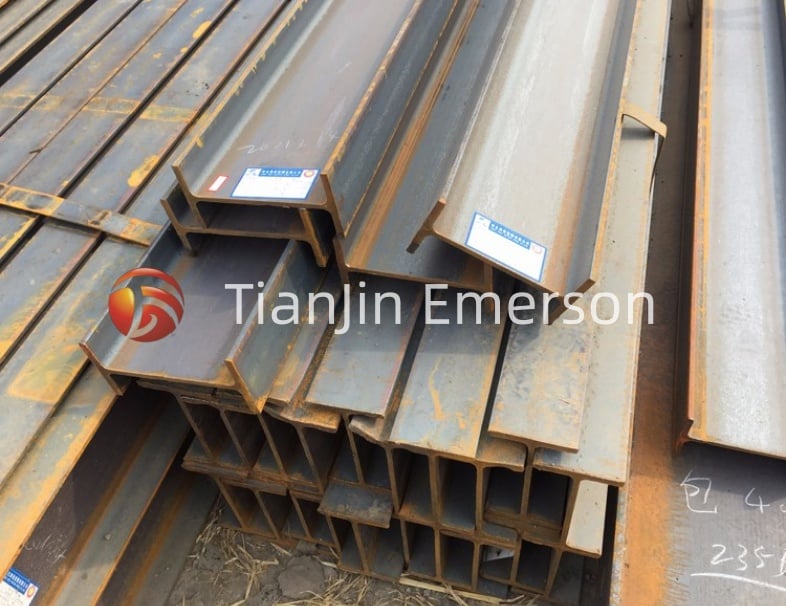
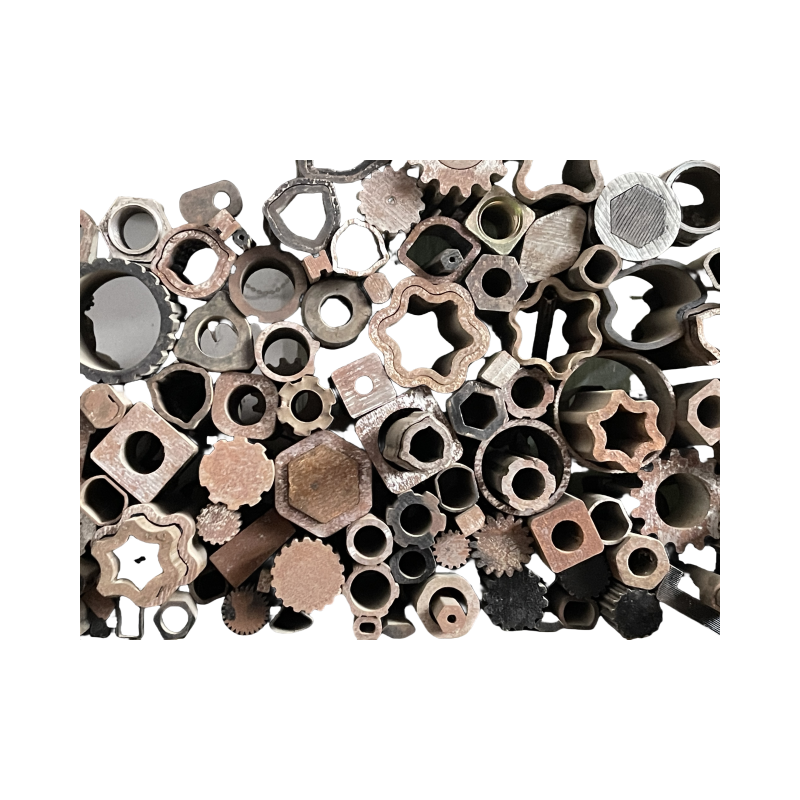
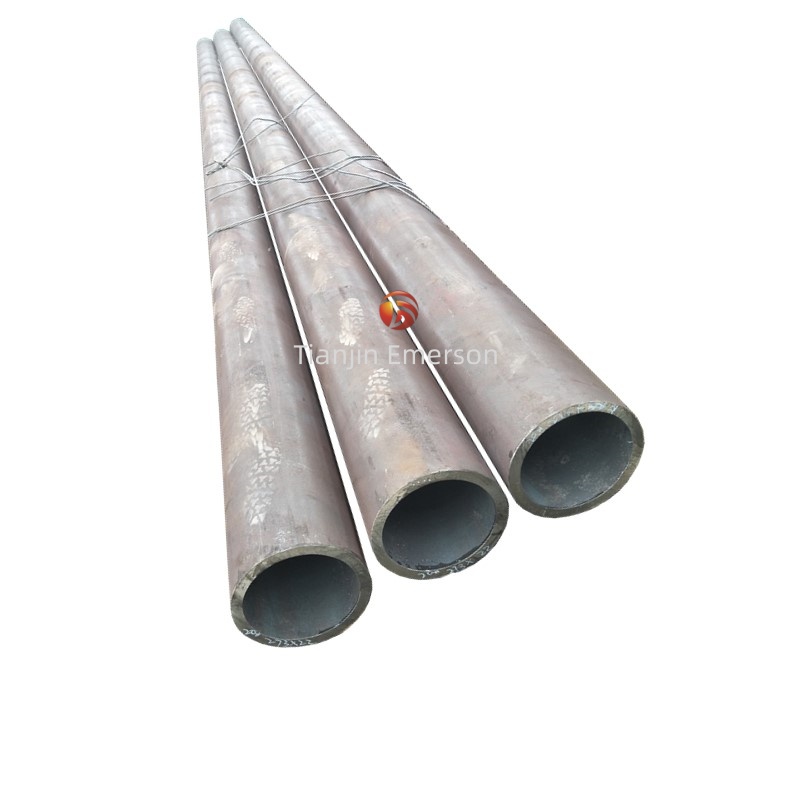
Steel, fundamentally an alloy of iron and carbon, derives its extraordinary versatility from the precise manipulation of its chemical composition. While carbon is the primary strengthening element, the addition of other elements—often in carefully controlled amounts—can dramatically alter mechanical properties, corrosion resistance, and fabricability. With over 3,500 distinct grades of steel recognized globally, understanding the compositional families is essential for engineers, fabricators, and buyers to match material properties to application requirements.
Carbon Steels: The Iron-Carbon Foundation
Carbon steel forms the largest and most widely used category of steel products. These steels are primarily composed of iron and carbon, with carbon content ranging from 0.05% to 1.35% depending on grade and application. By definition, alloying elements in carbon steel do not exceed 1% carbon, 1.65% manganese, 0.6% silicon, 0.6% copper, 0.4% phosphorus, and 0.05% sulfur.
Carbon steels are classified into three subgroups based on carbon content. Low-carbon steels (up to 0.3% carbon) offer excellent weldability and formability, making them ideal for general structural applications, automotive body panels, and sheet products. AISI 1018, one of the most popular cold-rolled steels, contains 0.14–0.20% carbon and 0.6–0.9% manganese, with iron comprising 98.81–99.26% of the composition. Medium-carbon steels (0.3–0.6% carbon) provide higher strength and wear resistance for shafts, gears, and machinery components. High-carbon steels (exceeding 0.6% carbon) offer maximum hardness and wear resistance for cutting tools, springs, and wire products. ASTM A36, the most widely specified structural carbon steel, contains 0.25–0.29% carbon, approximately 0.75% manganese, and limits phosphorus to 0.04% and sulfur to 0.05%.
Alloy Steels: Enhanced Performance Through Strategic Additions
Alloy steels distinguish themselves through the deliberate addition of elements beyond carbon and manganese to achieve specific mechanical properties, hardenability, and corrosion resistance. The most significant alloying elements include chromium, molybdenum, nickel, vanadium, and silicon, each contributing unique characteristics.
AISI 4140, a chromium-molybdenum alloy steel widely used for high-strength shafts and machinery components, contains 0.38–0.43% carbon, 0.75–1.0% manganese, 0.8–1.10% chromium, and 0.15–0.25% molybdenum, with iron comprising approximately 96.8–97.8% of the composition. AISI 4340, a higher-strength alloy steel specified for critical aerospace and automotive applications, contains 0.38–0.45% carbon, 0.60–0.80% manganese, 0.70–0.90% chromium, 1.65–2.00% nickel, and 0.20–0.30% molybdenum. The nickel addition significantly enhances toughness and impact resistance, particularly at low temperatures. AISI 8620, a case-hardening alloy steel, contains 0.35–0.45% carbon, 0.45–0.70% manganese, 0.90–1.40% chromium, and 0.20–0.35% molybdenum. These alloying strategies enable engineers to select materials precisely matched to demanding service conditions that carbon steels cannot satisfy.
Stainless Steels: The Chromium Advantage
Stainless steels are defined by their chromium content, which must exceed 10.5% to form the protective passive oxide layer that provides corrosion resistance. The chromium content typically ranges from 10–20%, with some grades exceeding 30%. Stainless steels are classified into several families based on their microstructure and composition.
Austenitic stainless steels, the most widely used family, are characterized by high chromium and nickel content. Type 304, the workhorse grade, contains 18–20% chromium and 8–10.5% nickel, with maximum carbon of 0.08% and manganese limited to 2%. This composition provides excellent corrosion resistance, formability, and weldability. Type 316, which offers enhanced resistance to chlorides and pitting, contains 16–18% chromium, 10–14% nickel, and 2–3% molybdenum. Ferritic stainless steels, such as Type 430, contain 16–18% chromium with little or no nickel, making them magnetic and more cost-effective for less demanding corrosion applications. The absence of nickel in ferritic grades reduces cost while maintaining good corrosion resistance in mild environments.
Tool Steels: High Carbon, High Performance
Tool steels are specialized alloys designed for cutting, forming, and shaping applications that demand exceptional hardness, wear resistance, and dimensional stability at elevated temperatures. These steels contain significantly higher carbon and alloying element concentrations than structural steels.
D2 tool steel, a high-carbon, high-chromium cold-work steel, contains approximately 1.40–1.60% carbon and 11.00–13.00% chromium. This composition creates a large volume of hard chromium carbides that provide outstanding wear resistance for blanking dies, forming tools, and cutting applications. S7 tool steel, an air-hardening shock-resisting grade, contains 0.45–0.55% carbon, 3.00–3.50% chromium, and 1.40% molybdenum. Its balanced composition provides excellent toughness and impact resistance for chisels, punches, and dies subjected to severe shock loading. O1 tool steel, an oil-hardening cold-work grade, contains approximately 0.85–1.00% carbon and 0.50% chromium, offering good wear resistance and dimensional stability for general-purpose tooling applications.
Cast Irons: High Carbon, Distinctive Properties
Cast irons are iron-carbon alloys with carbon content typically exceeding 2%, distinguishing them from steels which contain less than 2% carbon. The high carbon content and the form in which carbon is present determine the properties of different cast iron types.
Gray cast iron, the most common type, contains 2.5–4.2% carbon and 1.0–3.0% silicon. The carbon exists as graphite flakes, which provide excellent damping capacity and machinability but reduce tensile strength. Ductile (nodular) cast iron contains 3.0–4.0% carbon and 1.8–3.0% silicon. The carbon forms as spherical graphite nodules through the addition of magnesium or cerium, providing significantly higher strength and ductility than gray iron. Compact graphite iron occupies an intermediate position, containing 2.5–4.0% carbon and 1.5–3.0% silicon, with graphite in a compacted form that provides a balance of strength and thermal conductivity. The carbon content of cast irons, typically ranging from 2.5% to 4.0%, is the primary factor distinguishing them from steels and determining their application in engine blocks, pipes, machinery bases, and heavy equipment components.
Standards and Traceability
The composition of steel products is governed by international standards including ASTM (American), EN (European), JIS (Japanese), and GB (Chinese) specifications. These standards define permissible ranges for each element and classify steels by grade, ensuring consistency, traceability, and performance reliability. Material certifications, including mill test reports, document the actual chemical composition and mechanical properties of each production batch, providing the traceability essential for quality assurance in critical applications.