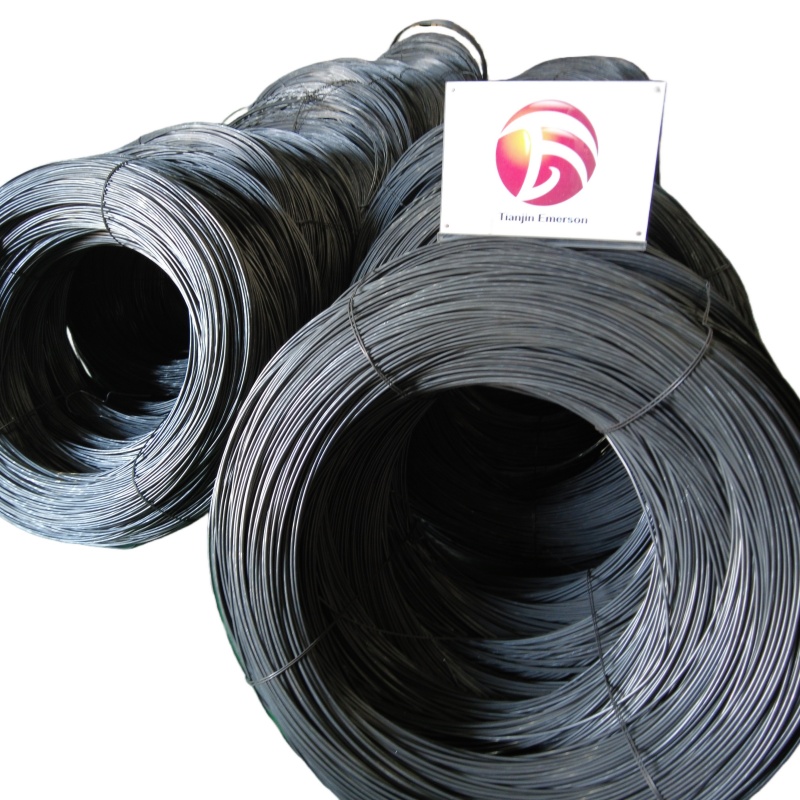
Steel wire, as a fundamental yet highly precise form of metal, plays an indispensable role across diverse sectors ranging from heavy construction and automotive manufacturing to consumer goods and telecommunications. As specialized processors and suppliers, we offer services spanning the procurement of specific alloys to customized forming, cutting, and finishing operations. The core of wire performance lies in its material chemistry. The most common category is high-carbon steel wire, typically containing 0.60% to 1.0% carbon. This composition delivers high tensile strength and exceptional wear resistance, making it ideal for applications such as springs, saw blades, piano strings, and mechanical fasteners.For general bundling, fencing, and forming applications requiring high ductility and moderate strength, low-carbon (soft) steel wire is used. When corrosion resistance is critical, stainless steel wire grades—primarily 302/304 and 316—are selected. Additionally, we produce specialty alloys tailored for specific environmental and mechanical challenges, including oil-tempered spring steel wire and galvanized/PVC-coated variants. Through precise evaluation of required tensile strength, fatigue life, formability, and environmental exposure conditions, we excel at selecting optimal wire grades to ensure products deliver stable, reliable performance in their final form.
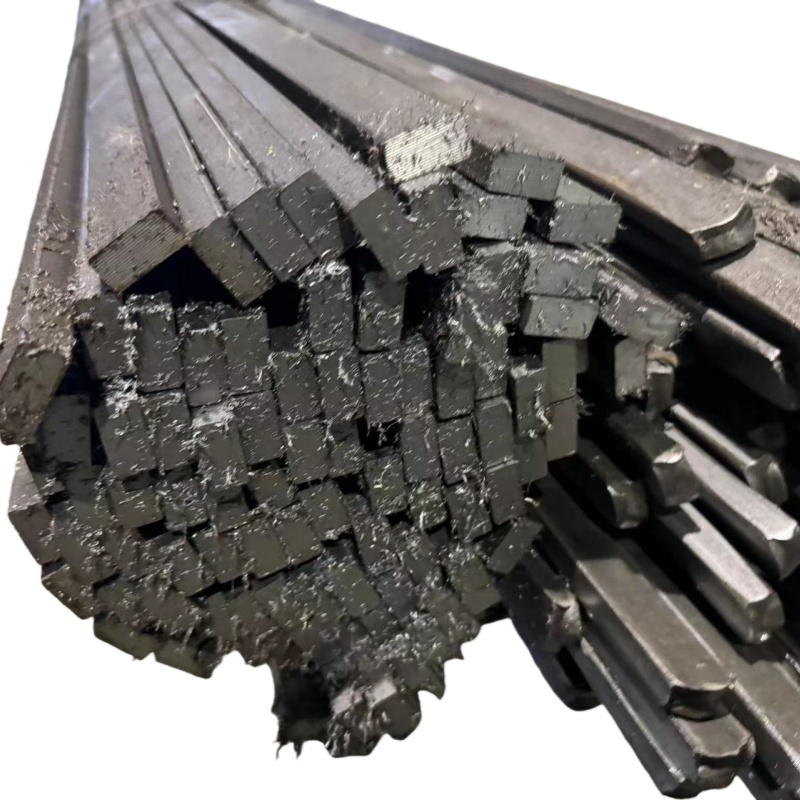
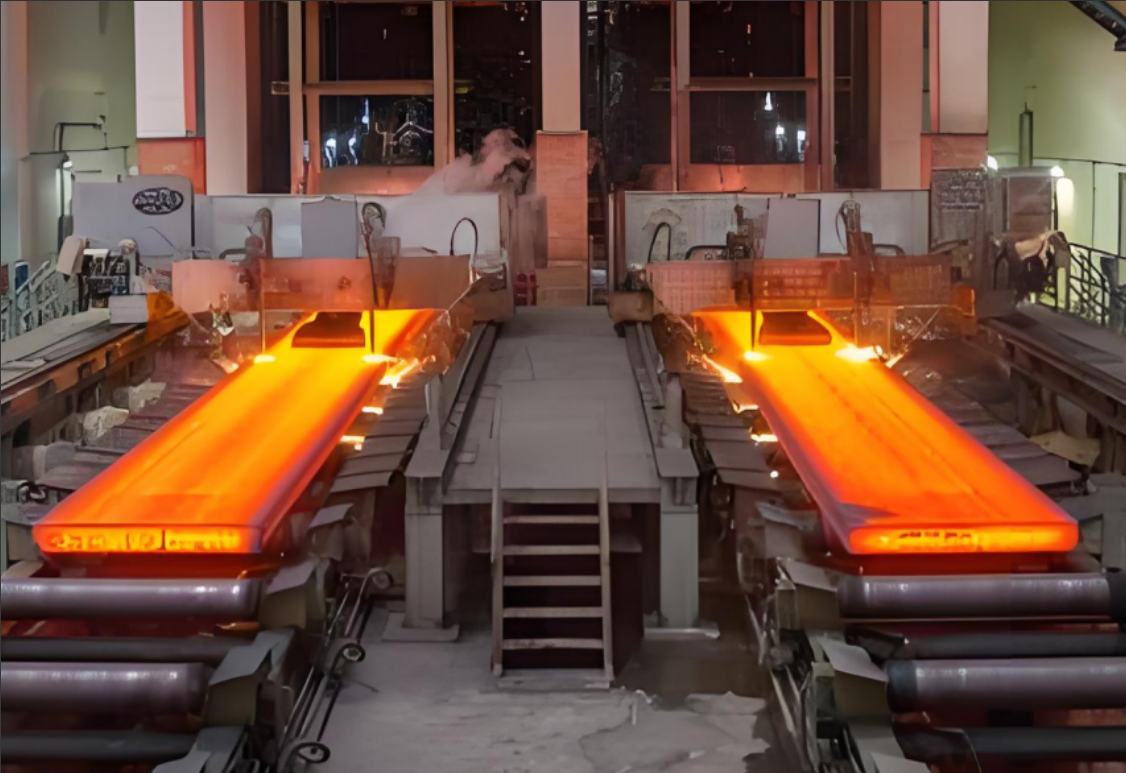
Transforming rough steel bars into finished wire with precise diameter and properties involves a multi-stage refining process: First, hot rolling produces larger-diameter steel bars. After cleaning and lubricant coating, these bars are drawn through a series of progressively smaller tungsten carbide or diamond dies. This cold working process significantly enhances the wire's tensile strength and yield point through strain hardening, while achieving precise dimensional tolerances. For wires requiring specialized mechanical properties, heat treatment is integrated into the process. Quenching involves heating high-carbon steel wire to the austenitic state, followed by cooling in air or a lead bath. This forms a fine-grained pearlite structure, particularly suited for subsequent drawing into high-strength spring steel wire.Annealing processes are used to soften metal wires, facilitating complex forming operations. Following drawing and related heat treatments, metal wire undergoes multiple finishing processes. These include: galvanizing (hot-dip or electroplating) for corrosion protection; coating with polymers (such as PVC or nylon) to enhance insulation and durability; or brass plating to improve tensile properties and adhesion in rubber products like tires. We possess capabilities for precision cutting, bending, and forming of wire. Advanced CNC coiling machines produce compression and tension springs with precise pitch and tension; CNC wire forming machines create complex planar or three-dimensional shapes for fixtures, brackets, and assemblies; and straightening and cutting lines produce straightened wire or pins to custom lengths.
The applications of processed steel wire are extremely diverse, fully demonstrating its unique combination of strength and flexibility. It finds extensive use across sectors including construction and infrastructure, automotive and transportation, industrial manufacturing, agriculture, consumer goods, and energy. We provide not only raw materials but also value-added processing services: precision cutting to specified lengths, forming into ready-to-install components, applying protective coatings, and conducting rigorous testing to ensure each batch meets specified tensile strength, dimensional, and surface finish requirements. Through comprehensive control from material selection to customized processing, we guarantee delivery of the highest quality products.