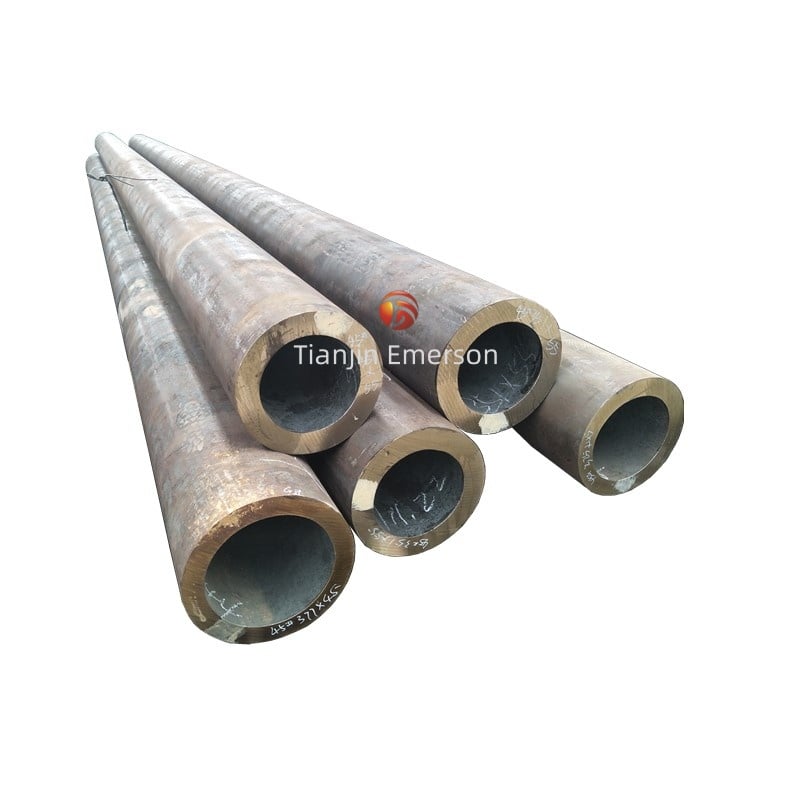
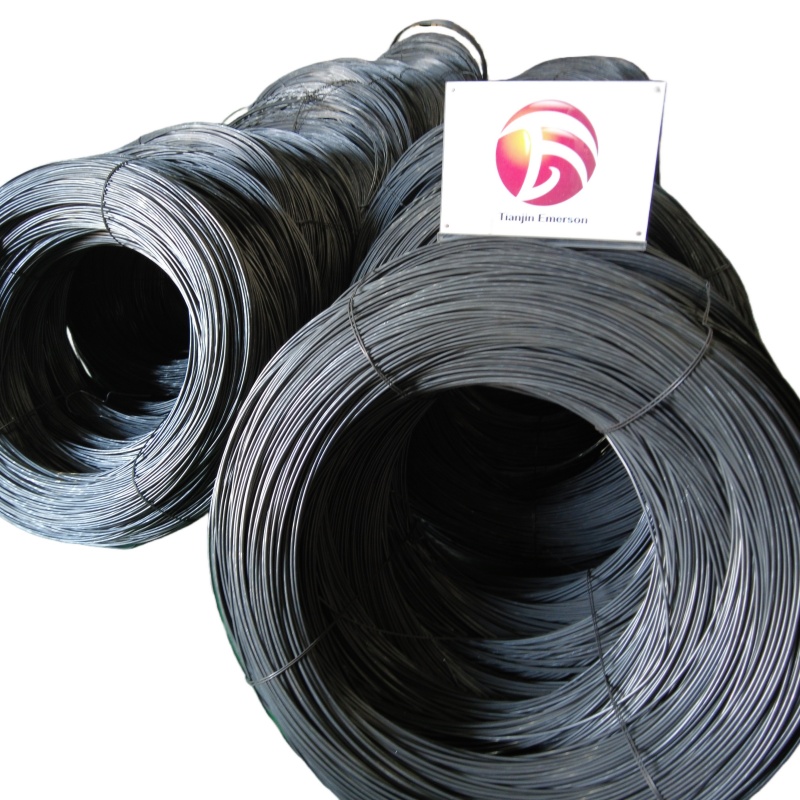
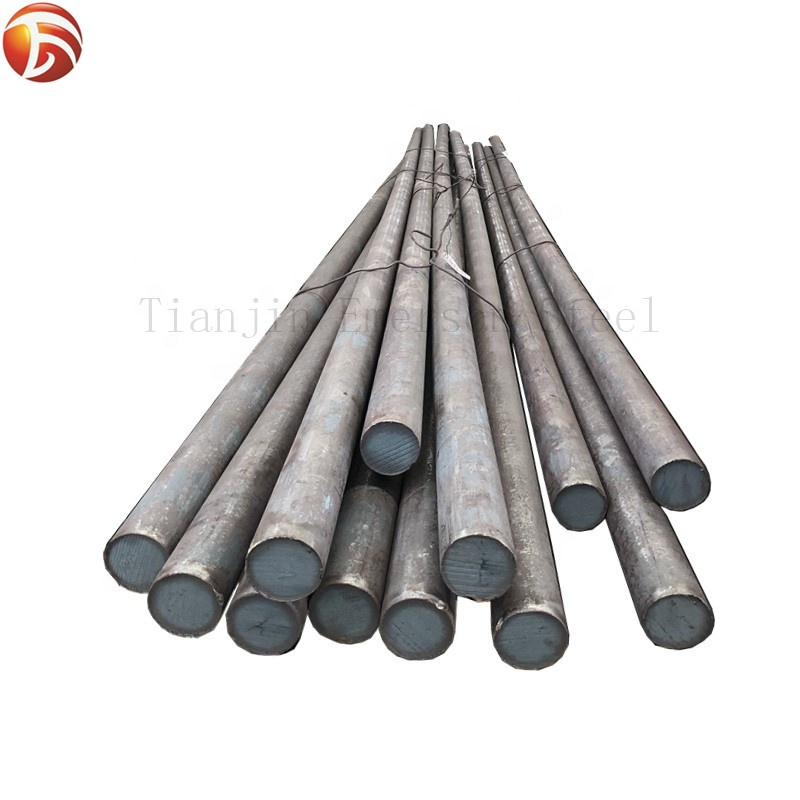
We offer stainless steel, carbon steel, and alloy steel pipes immediately, enabling customers to make optimal selections based on precise application requirements rather than supply chain constraints. The fundamental differences among these three pipe types stem from their chemical compositions, which determine their core properties. Carbon steel pipes, the most common and cost-effective category, consist primarily of iron and carbon. Their strength, hardness, and weldability depend largely on carbon content, ranging from low-carbon grades (e.g., ASTM A53) to higher-carbon grades. Their primary limitation is susceptibility to corrosion (rusting) when exposed to moisture and oxygen. For long-term use in non-inert environments, protective coatings such as paint or galvanization are typically required.In contrast, stainless steel pipes are defined by a chromium content of at least 10.5%. This composition enables the formation of a self-repairing passivated oxide layer on the surface, granting the stainless steel material superior corrosion resistance. Common austenitic grades like 304 (general-purpose) and 316 (molybdenum-enhanced for chloride resistance) offer excellent formability and weldability, while ferritic and duplex grades provide alternative performance balances. Alloy steel pipes encompass a broad range of grades that achieve properties unattainable in standard carbon steel through the addition of specific elements like chromium, molybdenum, nickel, or vanadium. These enhanced characteristics include significantly increased tensile and yield strengths, improved low-temperature toughness, and superior creep and oxidation resistance in high-temperature environments, as exemplified by grades such as ASTM A335 P11, P22, or P91.
These inherent material properties naturally determine the most suitable industrial applications for each pipe type. Carbon steel pipes serve as the mainstay in infrastructure and general industrial sectors, being the standard choice for structural frameworks, handrails, and general machinery applications (ASTM A500 standard), as well as for low-to-medium pressure fluid conveyance such as water, steam, oil, and gas (ASTM A53, A106 standards). Its cost-effectiveness and superior mechanical properties make it the default choice for corrosion scenarios managed through environmental control or external protection. Stainless steel pipes, however, become mandatory in applications where corrosion resistance, contamination prevention, or cleanliness are paramount. With its aesthetic appeal and durability, it is widely used in food and beverage processing, pharmaceutical manufacturing, chemical and petrochemical plants, paper mills, and construction. Grade 316 stainless steel is specifically engineered for marine environments and chloride exposure.Alloy steel pipes are engineered for demanding conditions, primarily serving high-temperature, high-pressure environments in power generation boilers (fossil fuel and nuclear), refining and petrochemical process piping, and geothermal systems. They are equally indispensable in cryogenic applications and offshore oil and gas projects requiring ultra-high strength. As a supplier with substantial stock inventory, our role is to bridge technical expertise with project execution. We maintain substantial inventory reserves across this product range—from standard Grade 40 carbon steel pipes to various stainless steel and selected alloy steel pipes—ensuring rapid fulfillment and on-time delivery, which are critical for maintaining construction and maintenance schedules.
Beyond supplying raw materials, we offer customized precision machining services including: precise length cutting via sawing or advanced plasma systems, weld preparation beveling, and bending forming. Additionally, we provide professional welding fabrication services encompassing conventional carbon steel welding and precision TIG welding. The combination of immediate inventory availability and downstream processing capabilities positions us as a true single-source partner. We can supply raw tubes, pre-cut and pre-beveled kits (ready for on-site welding), or deliver fully fabricated pipe sections and structural components. This integrated solution ensures customers not only receive the most suitable tubing for their application—whether it's the strength of economical carbon steel, the enduring corrosion resistance of stainless steel, or the high-performance characteristics of alloy steel—but also benefit from efficient logistics support and manufacturing assurance. This accelerates project timelines and guarantees engineering reliability.