Introduction: The Material Foundation of Modern Structures
Structural steel is the backbone of modern construction and infrastructure, providing the strength, ductility, and durability required for buildings, bridges, industrial facilities, and transportation systems. The selection of appropriate steel materials is a critical engineering decision that directly influences structural performance, fabrication efficiency, lifecycle cost, and safety. Steel structures rely on a carefully classified range of materials, each engineered to deliver specific mechanical properties, corrosion resistance, and weldability for distinct applications. Understanding the classification of structural steels—from carbon steels to high-strength low-alloy grades, weathering steels, and stainless steels—enables engineers and fabricators to optimize material selection for each project’s unique demands. This article provides a comprehensive overview of steel structure material classifications, their defining properties, and their primary applications across the construction and engineering sectors.
Carbon Structural Steels: The Workhorse of General Construction
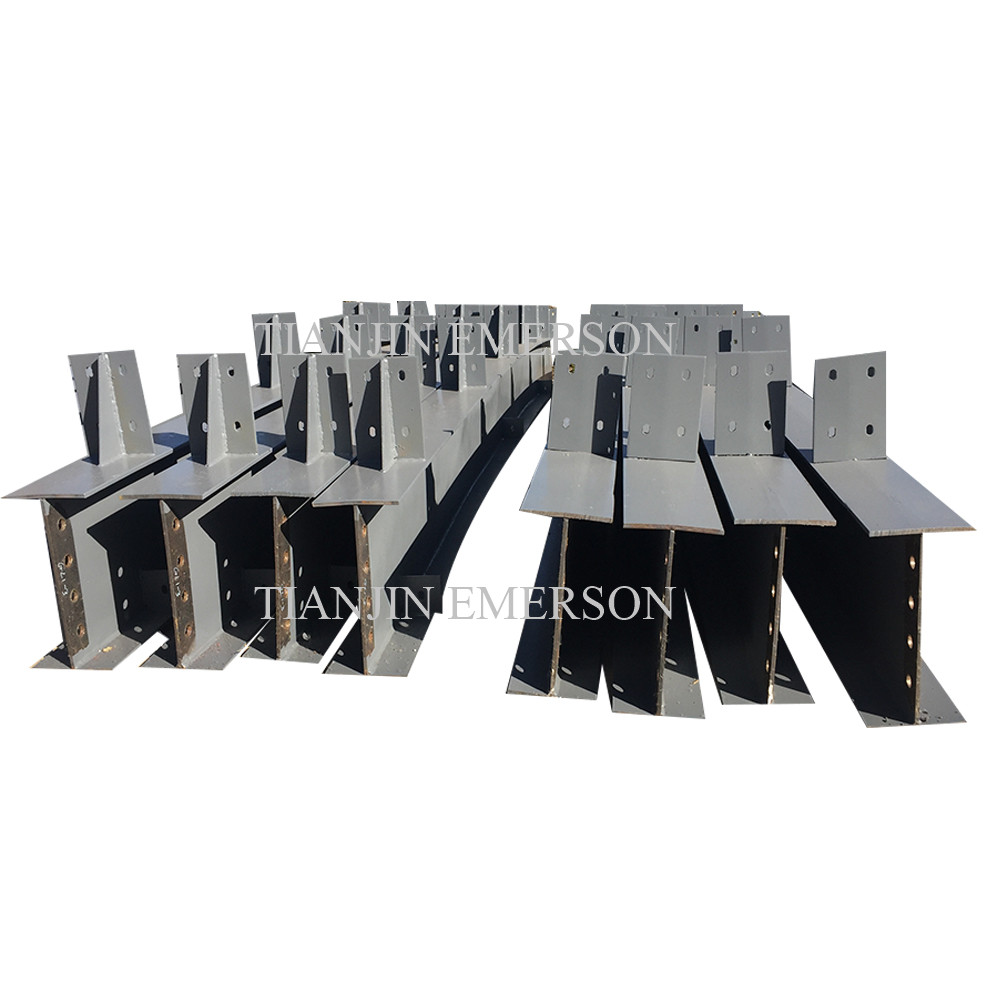
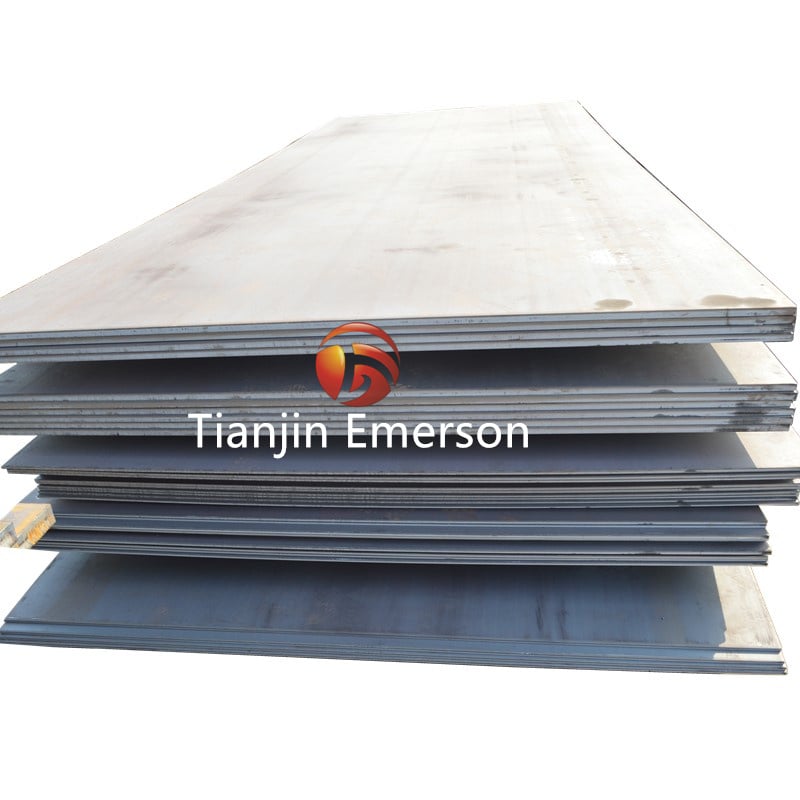
Carbon structural steels form the foundation of the steel construction industry, valued for their excellent weldability, formability, and cost-effectiveness. These steels are characterized by carbon content typically below 0.30%, which ensures good ductility and welding performance. Within the American ASTM system, ASTM A36 stands as the most widely specified structural carbon steel worldwide, offering a minimum yield strength of 36 ksi (250 MPa) with a tensile range of 58-80 ksi (400-550 MPa). Its forgiving chemical composition and broad availability make it the default choice for miscellaneous plates, base plates, gusset plates, lintels, and secondary structural elements. The low carbon equivalent (CE) of 0.35-0.40% gives A36 excellent weldability without preheat on thicknesses up to 25 mm.
ASTM A572 Grade 50 represents the next tier of carbon structural steel, offering a minimum yield strength of 50 ksi (345 MPa) through high-strength low-alloy (HSLA) chemistry with columbium (niobium) and vanadium additions for grain refinement and precipitation strengthening. This grade delivers approximately 38% higher strength than A36, enabling lighter structural sections and reduced material consumption. A572 Grade 50 is widely used for building columns, beams, and load-carrying members in commercial and industrial frames.
In the European system, structural steels are designated with an “S” followed by the minimum yield strength in megapascals. S235 (235 MPa), S275 (275 MPa), and S355 (355 MPa) represent the most commonly specified grades under EN 10025. S355, in particular, serves as the European equivalent to ASTM A572 Grade 50, finding extensive application in offshore structures, bridge components, and power plants. Chinese standards similarly categorize structural steels, with Q235 (235 MPa yield) serving as the historical baseline, while higher-strength grades such as Q355, Q390, Q420, and Q460 have become increasingly prevalent in modern construction.
High-Strength Low-Alloy (HSLA) Steels: Enhanced Performance for Demanding Applications
HSLA steels represent a significant advancement in structural material technology, offering superior mechanical properties through controlled microalloying rather than increased carbon content. These steels achieve yield strengths from 345 MPa to over 690 MPa while maintaining excellent weldability and formability. The addition of microalloying elements such as niobium, vanadium, titanium, chromium, and molybdenum refines grain structure and provides precipitation strengthening.
HSLA steels are particularly suited for structural parts that require high strength-to-weight ratios without severe forming requirements. Their combination of strength, weldability, and coatability makes them ideal for applications including automotive structures and reinforcements, industrial shelving systems, racking systems, mechanical engineering components, overhead cranes, railcar manufacturing, and truck and bus frames. In structural applications, HSLA steels serve critical roles in building components, bridges, wind towers, and cellular communication towers. The pervasive utilization of HSLA steels extends across engineering domains such as hydraulic components, engineering machinery, bridges, ships, and pressure vessels.
Weathering Steels: Self-Protecting Durability for Exposed Structures
Weathering steel, commonly known by the trademark COR-TEN or Corten, represents a specialized class of structural steel engineered to develop a protective patina when exposed to atmospheric conditions. Through controlled additions of copper, chromium, nickel, and phosphorus, weathering steel forms a stable, adherent rust layer that significantly slows further corrosion. This self-protecting characteristic eliminates the need for painting or protective coatings in many applications, reducing lifecycle maintenance costs.
The unique properties of weathering steel make it particularly valuable for structures exposed to the elements, including bridges (such as the New River Gorge Bridge), pylons, and metal structures. Its natural, textured appearance has also made it highly valued in architecture, landscape architecture, and art. Common applications include facades, bridges, sound barriers, containers, fences, chimneys, collectors, and steel frame structures. When correctly specified and installed, weathering steel can achieve very long service life; however, it is essential to avoid waterlogging conditions, which can accelerate corrosion.
Stainless Steels: Corrosion Resistance for Demanding Environments
Stainless steels, characterized by high chromium content (typically 10.5% or greater), provide exceptional corrosion resistance for structural applications in aggressive environments. These materials offer good to excellent corrosion resistance in many environments, making them ideal for structural resilience in corrosive conditions and improved operational reliability of structural assets. Stainless steels can enable lightweight structures with no loss of structural integrity when correctly selected for each application.
In the building and construction sector, stainless steel serves three primary application areas: building envelopes and structural systems, elevator systems, and water supply pipes and tanks. Architects value stainless steel for its ability to create resilient and eco-friendly structures, with applications ranging from structural elements and claddings to roofing and interior finishes. When used in façades or roofing, stainless steel contributes to minimizing heating and cooling demands, thereby reducing energy consumption. Stainless steel products specified for structural use are intended for welded, bolted, and riveted structures in buildings, civil engineering construction works, and distribution systems.
Standards and Selection Criteria for Structural Steel
The selection of structural steel materials is governed by comprehensive international standards that define chemical composition, mechanical properties, and testing requirements. The American system, administered by ASTM International, includes A36 for general structural carbon steel, A572 for high-strength low-alloy steel, A992 specifically for structural shapes used in building framing, and A588 for weathering steel. The European EN 10025 standard categorizes structural steels into six categories: general-purpose steels, normalized weldable fine-grain structural steels, atmospheric corrosion-resistant structural steel, non-alloy structural steels, high-strength quenched and tempered structural steel, and thermo-mechanically rolled weldable fine-grain structural steel. Chinese standards GB/T 700, GB/T 1591, and GB/T 4171 provide equivalent specifications for carbon structural steels, low-alloy high-strength steels, and weathering steels respectively.
Material selection must consider multiple factors: required yield and tensile strength for load capacity, weldability for fabrication efficiency, toughness for low-temperature service, corrosion resistance for environmental exposure, and cost-effectiveness for project economics. For most building frames, ASTM A992 or S355 provides the optimal balance of strength and economy. For heavy industrial structures and bridges, higher-strength HSLA grades or weathering steels may be justified. For corrosive or hygienic environments, stainless steels offer unmatched durability despite higher initial cost.