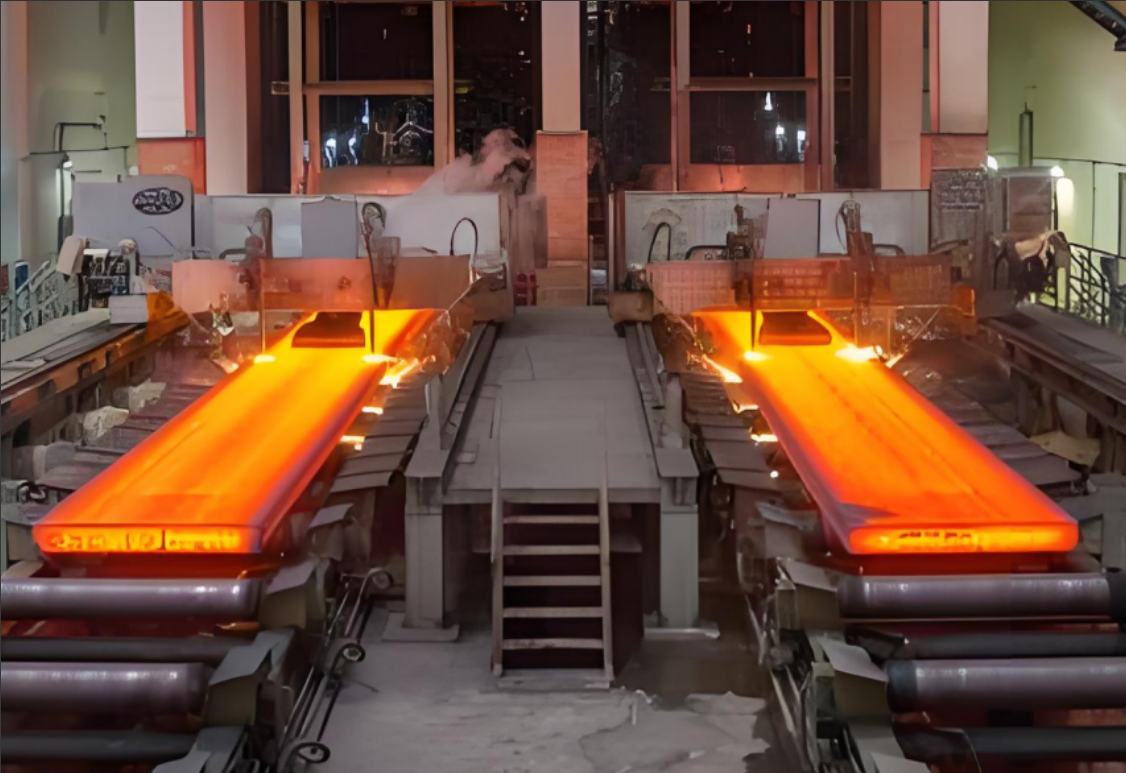
Introduction: The Importance of Material Properties in Steel Plate Selection
The material properties of steel plates form the foundation upon which all structural and mechanical designs are built. These properties determine how a steel plate will respond to applied forces, environmental conditions, and manufacturing processes. Understanding the relationship between chemical composition, mechanical behavior, and processing characteristics is essential for engineers, fabricators, and procurement professionals to select the optimal material for each application. Steel plates are categorized by their chemical composition—primarily carbon content and alloying elements—which directly influence their mechanical properties such as yield strength, tensile strength, hardness, ductility, and toughness. The most common steel plates are carbon structural steels, with carbon content typically ranging from 0.06% to 0.22%, with less than 0.25% being the most commonly used. Higher carbon content generally increases strength but reduces ductility and weldability, creating a fundamental trade-off that must be carefully balanced in material selection.
Mechanical Properties: Yield Strength, Tensile Strength, and Elongation
The mechanical properties of steel plates are the primary criteria for structural design and material selection. Yield strength represents the stress at which a material begins to deform plastically, marking the limit of elastic behavior. Tensile strength indicates the maximum stress the material can withstand before fracture, providing the ultimate load-carrying capacity. Elongation measures ductility—the ability to deform without fracture—which is essential for forming operations and provides a safety margin in overload conditions.
For ASTM A36, the most common low-carbon structural steel, the minimum yield strength is 36 ksi (approximately 250 MPa), with tensile strength ranging from 58 to 80 ksi (400 to 550 MPa) and minimum elongation of 18%. This balance of properties makes A36 suitable for general structural applications, building supports, bridge components, bearing plates, and machinery parts.
Higher-strength grades offer enhanced performance for demanding applications. For ASTM A572 Grade 50, widely used in structural applications, the minimum yield strength is 50 ksi (345 MPa). For ultra-high-strength applications, specialized steel plates can achieve yield strengths of 670–870 N/mm² and tensile strengths of 780–940 N/mm². Q345qC (bridge steel) has a yield strength of 345 MPa, while high-strength grades such as Q460C offer yield strengths up to 460 MPa. As plate thickness increases, mechanical properties may decrease. For Q235B, yield strength varies with thickness: 235 MPa for thicknesses up to 16mm, 225 MPa for 16–40mm, 215 MPa for 40–100mm, and 195 MPa for 100–150mm.
Chemical Composition: The Foundation of Steel Properties
The chemical composition of steel plates is the fundamental determinant of their mechanical properties, weldability, and corrosion resistance. Carbon is the primary strengthening element: as carbon content increases, strength and hardness increase, but ductility and weldability decrease. ASTM A36 has a carbon content of approximately 0.26% max, while higher-strength grades like A572 Grade 50 have carbon up to 0.23%. Manganese enhances strength and hardenability; A36 typically contains 0.60–0.90% Mn. Phosphorus and sulfur are controlled as impurities; for A283 Grade C steel, limits are 0.030% max for both.
Other alloying elements further refine properties. A588 weathering steel contains chromium, nickel, and copper to enhance atmospheric corrosion resistance. Niobium and vanadium are added to high-strength low-alloy (HSLA) steels for grain refinement and precipitation strengthening. The carbon equivalent (CEV) value is a critical calculation for assessing weldability; lower CEV values generally indicate better weldability.
Hardness, Impact Toughness, and Wear Resistance
Hardness measures a material’s resistance to indentation and wear, which is critical for applications involving sliding abrasion or impact. Brinell hardness is the most common measurement for steel plates. AR450F abrasion-resistant steel has a typical Brinell hardness range of 430–480 BHN, designed for applications demanding both wear resistance and impact toughness. NM500 wear-resistant steel plate achieves HV hardness of 500–520 with yield strength of 1222 MPa and tensile strength of 1583 MPa.
Impact toughness measures a material’s ability to absorb energy during sudden loading, which is critical for low-temperature applications. Charpy V-notch testing quantifies impact toughness. ASTM A633 normalized high-strength low-alloy steel is particularly suited for service at low ambient temperatures of −50°F (−45°C) and where notch toughness better than that expected in as-rolled material is required. High-strength marine plates can achieve −60°C Charpy impact absorption energy exceeding 90J. Wear-resistant plates such as HARDOX combine excellent toughness with high strength.
Weldability, Formability, and Fabrication Characteristics
The processing characteristics of steel plates—weldability, formability, and machinability—determine how easily they can be fabricated into finished components. Weldability is influenced by chemical composition, primarily carbon equivalent (CEV). Lower CEV values indicate better weldability. For ASTM A36, excellent weldability is achieved with standard procedures. Post-weld heat treatment can significantly improve weld properties; for example, PWHT at 550°C for 75 minutes can raise ultimate tensile strength by 5%, yield strength by 10%, and impact toughness by 31%.
Formability measures a material’s ability to undergo bending, stamping, and deep drawing without cracking. Cold-rolled steel sheets are characterized by high dimensional accuracy and good appearance, with low cost and good workability, making them suitable for a wide range of machinery and construction applications. Hot-rolled steel plates offer high strength, good toughness, and excellent processing and welding properties.
Common Steel Plate Grades and Their Property Profiles
Different applications require different steel plate grades. ASTM A36 (low-carbon structural steel) offers excellent weldability, formability, and a good strength-to-weight ratio. ASTM A572 Grade 50 provides higher strength for structural applications. ASTM A516 is intended primarily for welded pressure vessels where improved notch toughness is important. A588 weathering steel offers enhanced atmospheric corrosion resistance. AR400/AR450/AR500 abrasion-resistant steels provide hardness and wear resistance for mining and material handling equipment. Q235B is the most common Chinese carbon structural steel. Understanding these material properties enables informed decisions for optimal steel plate selection in structural, pressure vessel, and heavy equipment applications.