Intelligent Manufacturing: The Cognitive Factory Powered by Physical AI
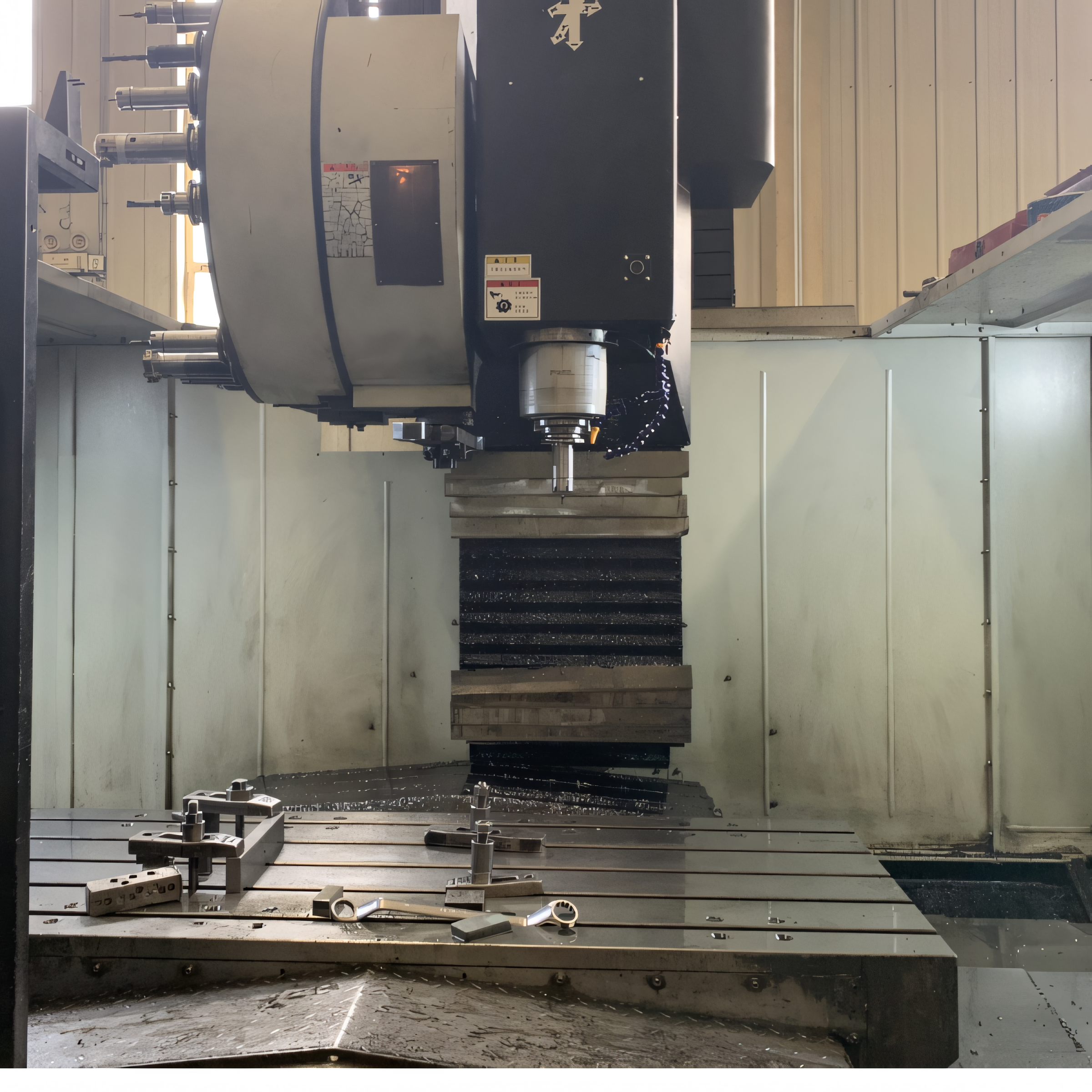
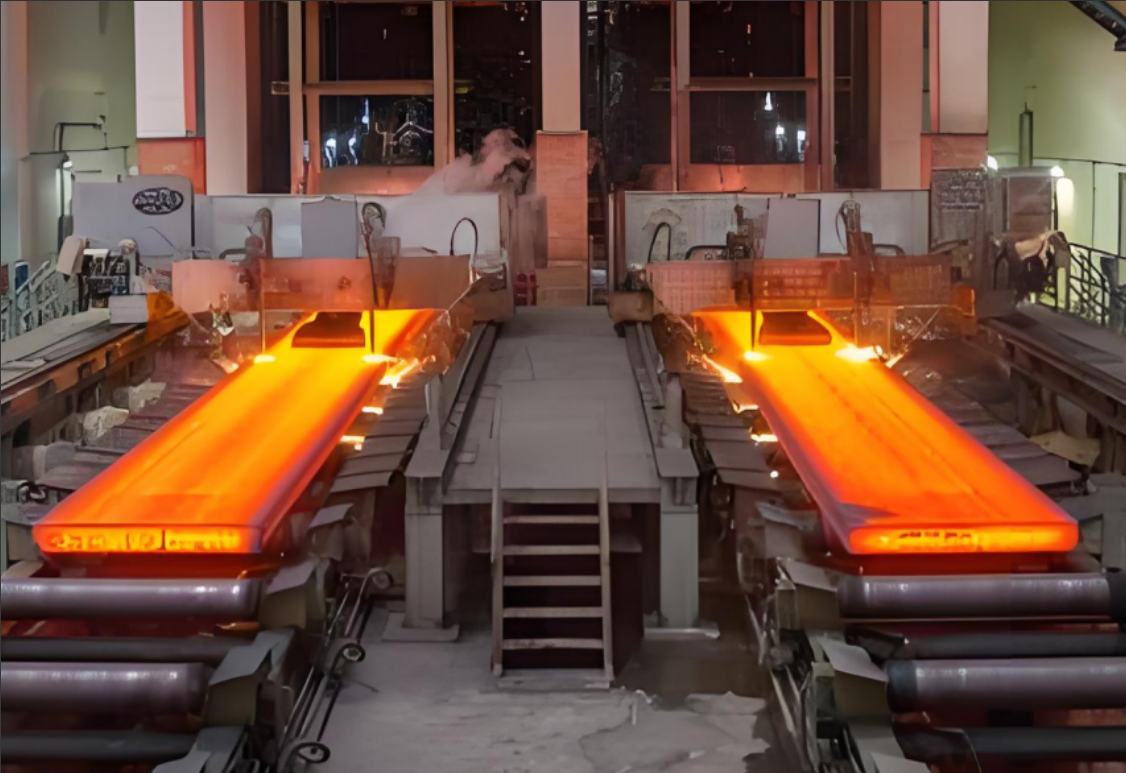
The steel structure manufacturing industry is undergoing a paradigm shift from traditional automation to what experts term "cognitive manufacturing," with Physical Artificial Intelligence (Physical AI) emerging as the core technological driver. Unlike conventional automation that executes pre-programmed code, Physical AI possesses the ability to perceive environmental conditions, understand complex situations, and make autonomous physical adjustments in real-time. In the fabrication of steel components for bridges, high-rise buildings, and industrial plants, this translates into transformative capabilities. AI-powered visual inspection systems now achieve 98% accuracy in detecting weld cracks and loose structural bolts through drone and high-definition camera monitoring. Digital twin technology, integrating physics-based models with real-time sensor data, enables virtual pre-assembly of complex steel structures, reducing on-site rework by simulating component fit-up in a digital environment before any physical fabrication begins. Major steelmakers including JFE and POSCO have deployed cyber-physical systems that predict abnormal furnace temperature fluctuations eight to twelve hours in advance and increase daily production by 240 tons per blast furnace. In the welding bay, robotic systems equipped with adaptive arc tracking lasers achieve positioning errors below 0.1mm, while multi-robot collaborative operations working simultaneously on large component segments increase efficiency by 300%. These intelligent systems are reshaping the very process of steel structure manufacturing, moving from reactive quality control to predictive, autonomous production that delivers unprecedented precision and consistency.
Green Transformation: Near-Zero Emissions and Recycled Material Integration
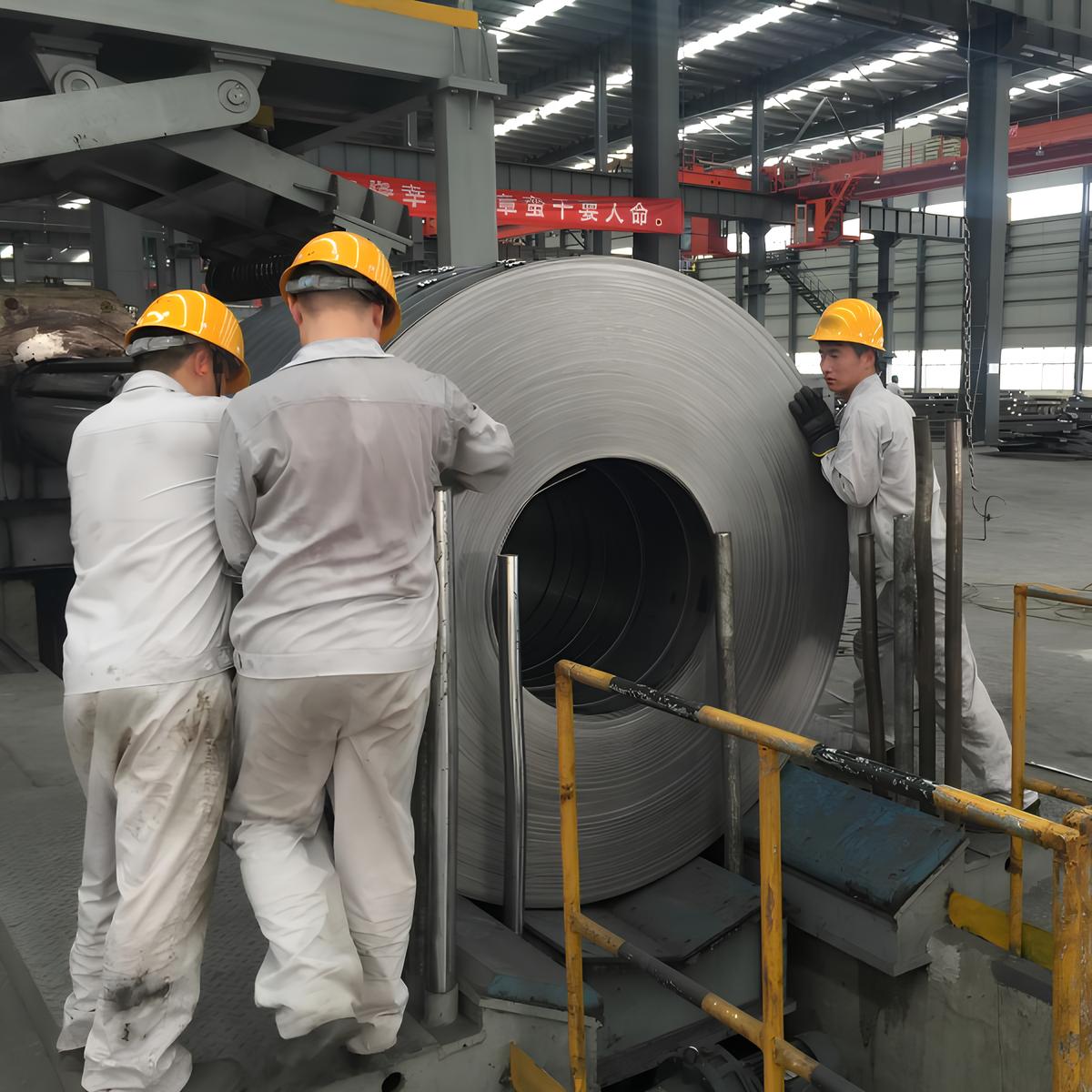
Environmental sustainability has become the defining imperative for steel structure manufacturing, with a clear trajectory toward near-zero carbon production and circular material flows. In 2025, China's first million-ton near-zero carbon steel production line was fully commissioned at Baowu Zhanjiang, utilizing the hydrogen-based electric smelting process (HyRESP) that integrates hydrogen shaft furnace direct reduced iron (DRI) with electric arc furnace (EAF) steelmaking. This innovative short-process route achieves carbon emission reductions of 50% to 80% compared to traditional blast furnace-basic oxygen furnace (BF-BOF) long-process production, with annual reductions exceeding 3.14 million tons of CO₂. Globally, hydrogen-based DRI projects are accelerating: Stegra's 100% green hydrogen steel plant in northern Sweden aims to commence operations in 2026, while GravitHy's facility in Fos-sur-Mer, France, is designed to produce two million tons per year of DRI using hydrogen as the reducing agent. Parallel to primary steel decarbonization, the increased use of recycled scrap steel is gaining momentum—steel produced from scrap has the potential to reduce carbon emissions by 60% to 70% compared to iron ore-based virgin steel. For structural steel fabricators serving the construction industry, this dual transition toward hydrogen-based primary production and intensified scrap recycling is reshaping material supply chains. The EU's Carbon Border Adjustment Mechanism (CBAM), implemented in its definitive phase in 2026, further accelerates this shift by requiring importers to account for embedded carbon emissions, directly incentivizing the use of lower-emission steel products. As fabricators increasingly respond to downstream demand for certified green steel, the integration of near-zero emissions and high-recycled-content materials is becoming a competitive necessity rather than an optional enhancement.
Modular Design and High-Strength Alloys: Revolutionizing Structural Efficiency
Advancements in material science and design methodology are fundamentally changing how steel structures are conceived, fabricated, and assembled. The adoption of prefabricated modular steel structures and pre-engineered buildings (PEB) is accelerating globally, driven by the need for faster construction cycles, reduced on-site labor, and tighter quality control. In this approach, complete structural modules—including beams, columns, and connection assemblies—are fabricated in controlled shop environments before being transported to site for rapid assembly, shortening construction periods by up to 30% and significantly reducing field welding requirements. Concurrently, the development and deployment of high-performance steel alloys are enabling lighter, more efficient structural designs. High-strength low-alloy (HSLA) steels such as Q690 are increasingly specified for heavy-load applications, allowing fabricators to reduce section thickness and overall structural weight while maintaining load capacity. The integration of high-strength materials with modular design principles enables longer spans, fewer columns, and more open floor plans in industrial buildings, warehouses, and commercial structures. This convergence of advanced alloys and modular construction is also driving the growth of digitally integrated fabrication, where Building Information Modeling (BIM) systems directly drive CNC cutting, bending, and welding equipment, creating a seamless digital thread from design through to erection. As steel structure manufacturing continues to evolve, the combination of high-strength materials, modular prefabrication, and digital workflow integration is delivering structures that are not only stronger and more durable but also faster to build and more resource-efficient than ever before.