Establishing Material Specifications and Grade Requirements
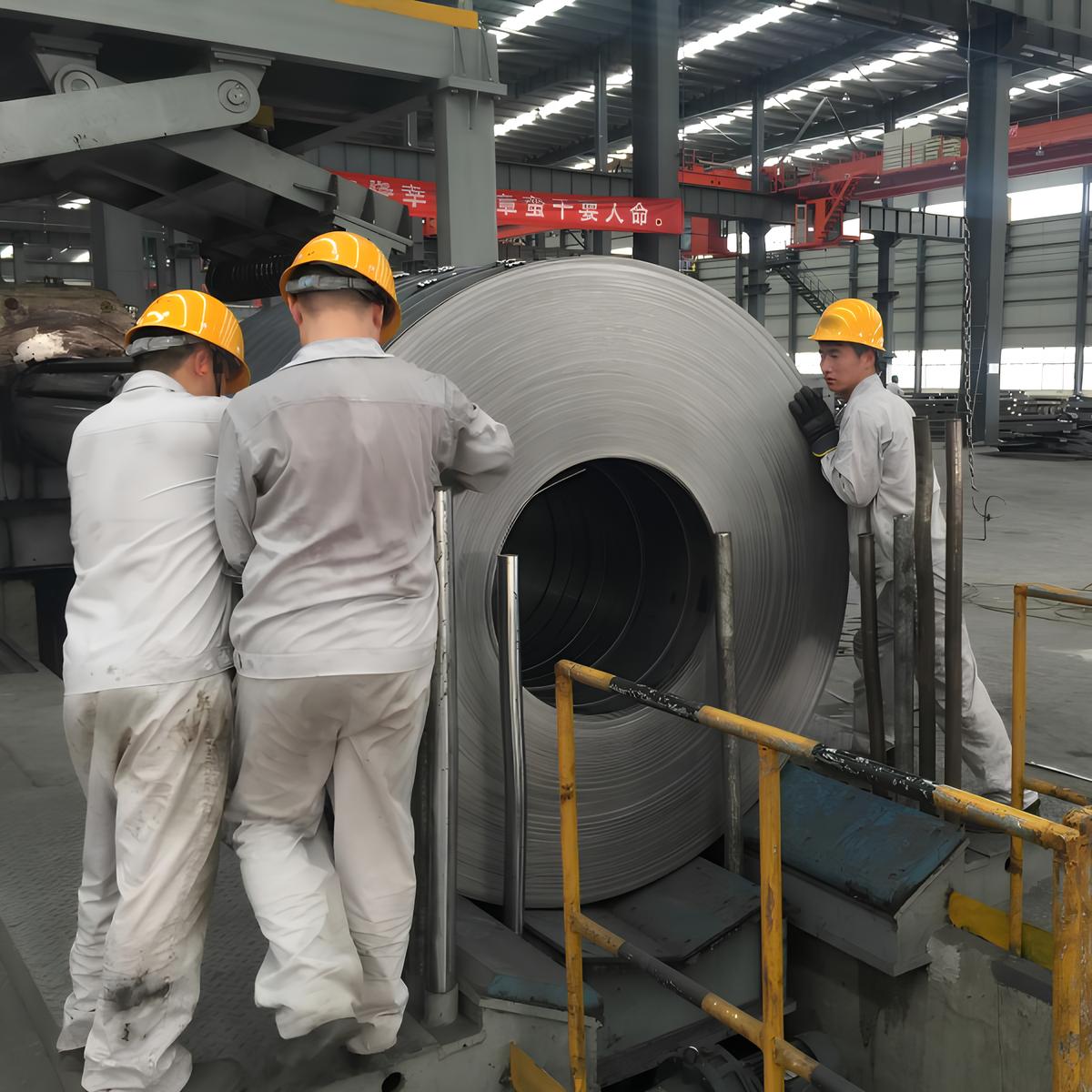
The foundation of effective steel procurement is specifying the correct material grades and product forms that meet structural design and code requirements. Construction companies must define steel standards such as ASTM A992 for wide-flange beams and columns (50 ksi minimum yield), ASTM A572 Grade 50 for plates and built-up sections, or ASTM A500 for hollow structural sections (HSS). For projects in corrosive environments (coastal areas or chemical plants), weathering steel (ASTM A588) or hot-dip galvanized finishes should be specified. Additionally, buyers must decide between steel coil (ideal for high-volume shearing and slitting) and steel plate (better for thick, discrete components). All material orders must require mill test reports (MTRs) documenting chemical composition, mechanical properties (yield strength, tensile strength, elongation), and heat treatment details. By establishing clear specifications upfront, construction companies avoid costly substitutions, delays, and non-compliance with building codes such as AISC 360 or Eurocode 3.
Supplier Qualification and Quality Assurance Verification
Selecting reliable steel suppliers is critical to ensuring consistent quality, on-time delivery, and traceability. Construction procurement teams should evaluate potential suppliers based on their quality management certifications (ISO 9001), product-specific certifications (CE marking for European projects, API Q1 for oil and gas), and their ability to provide full mill traceability. For welded fabrications, supplier compliance with ISO 3834 (welding quality management) and AWS D1.1 is essential. Buyers should request supplier performance records, including on-time delivery rates, rejection rates, and third-party audit reports. Before placing large orders, sampling and independent testing of material properties (tensile, bend, impact tests) by accredited labs such as SGS or BV verify supplier claims. A robust vendor qualification process also includes site visits to witness cutting, forming, and coating operations, ensuring the supplier’s equipment and process controls match project requirements. Long-term partnerships with pre-qualified suppliers reduce procurement risk and improve price stability.
Logistics Management and Inventory Optimization for Construction Sites
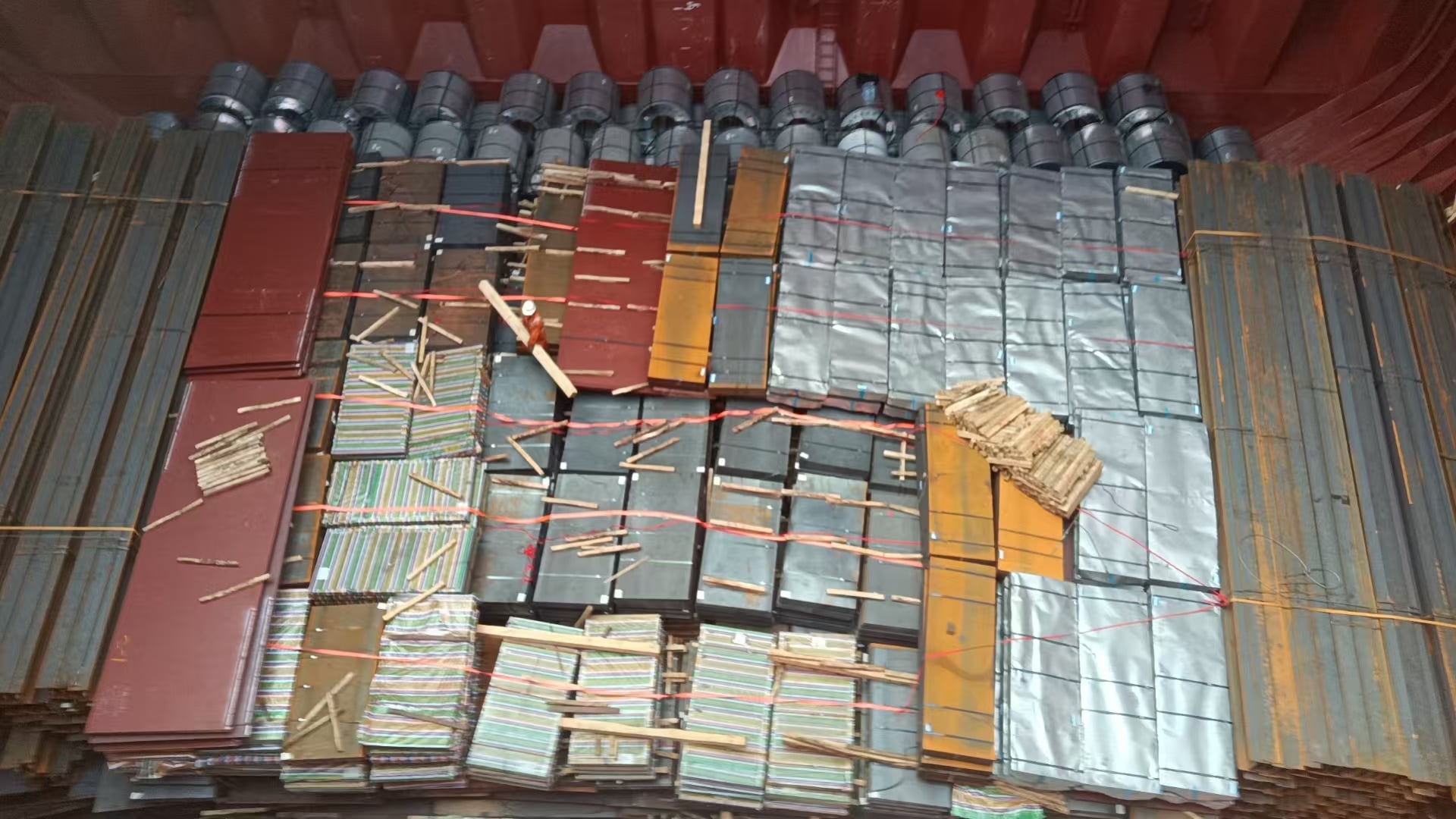
Efficient logistics and inventory management minimize steel procurement costs and ensure material arrives when needed without congesting construction sites. Procurement plans should coordinate mill lead times (typically 4–8 weeks for structural sections) with construction schedules, using just-in-time (JIT) delivery for large projects to reduce on-site storage and handling. For sheet metal and light structural components, purchasing coil with cut-to-length and slitting services allows custom-sized blanks delivered ready for fabrication, reducing on-site scrap. Buyers must specify packaging requirements: steel plates should be stacked on wooden pallets with edge protectors, while beams and channels require banded bundles with lift points clearly marked. For international procurement, customs documentation including commercial invoices, packing lists, bills of lading, and certificates of origin must be prepared, with Incoterms clearly defined (e.g., CIF, FOB). Additionally, buyers should maintain safety stock levels for critical long-lead items (e.g., heavy wide-flange sections) to mitigate supply disruptions. Implementing digital tracking tools for orders and shipments provides real-time visibility, enabling proactive adjustments to construction schedules. By integrating material procurement with project management, construction companies reduce downtime, lower holding costs, and ensure steel arrives exactly when needed.