Circular Economy Integration: Scrap Recycling and Low-Carbon Material Sourcing
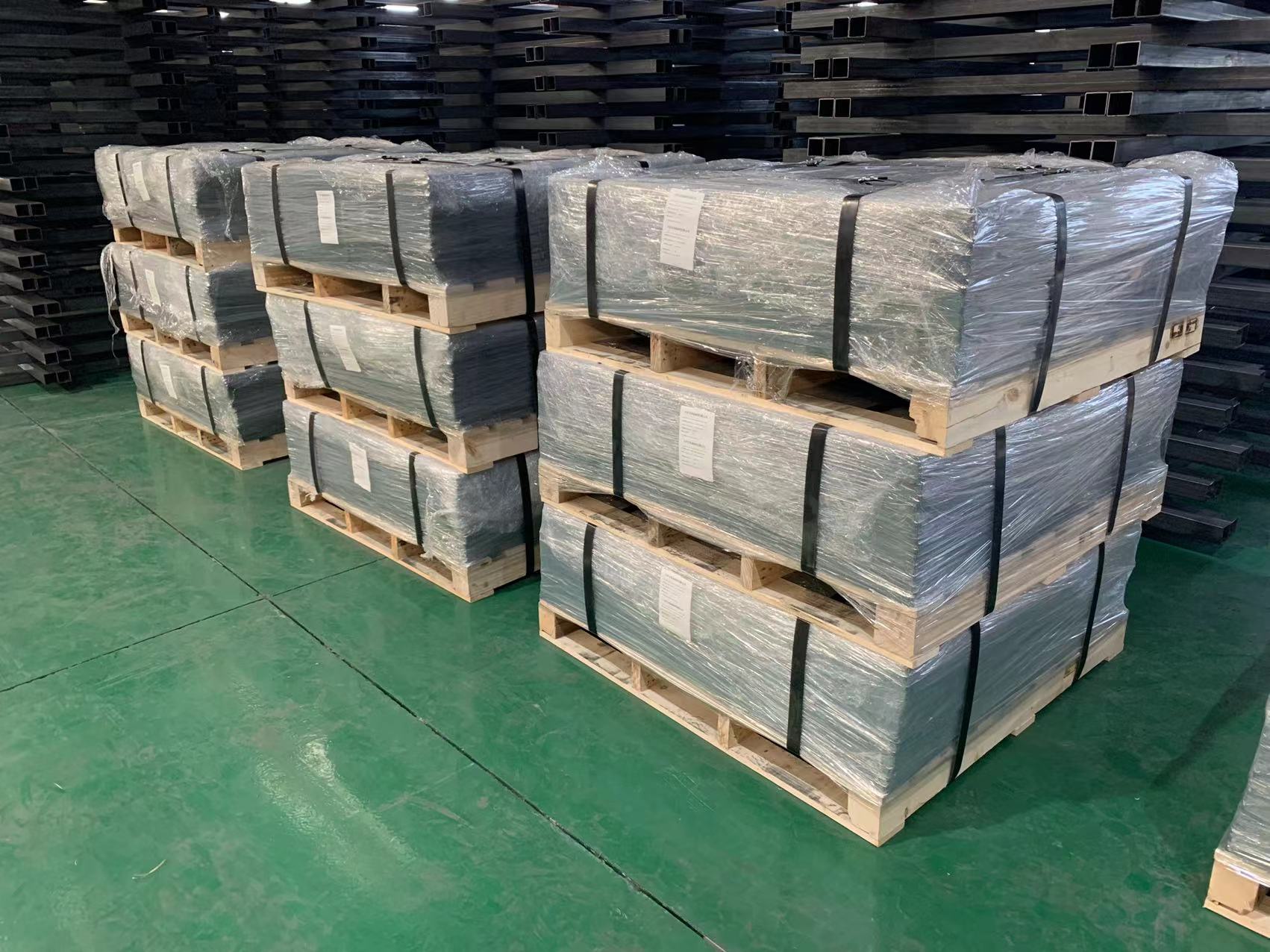
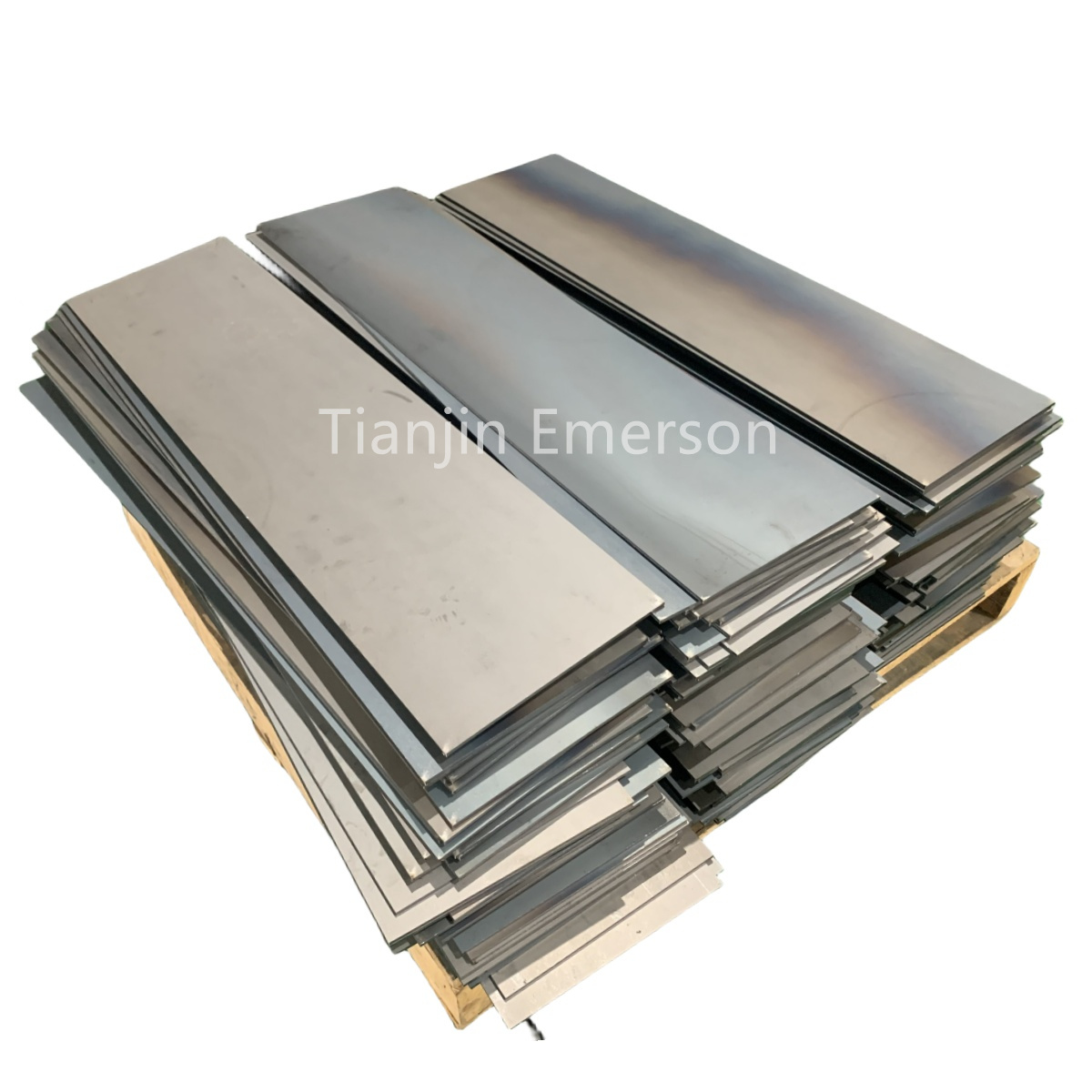
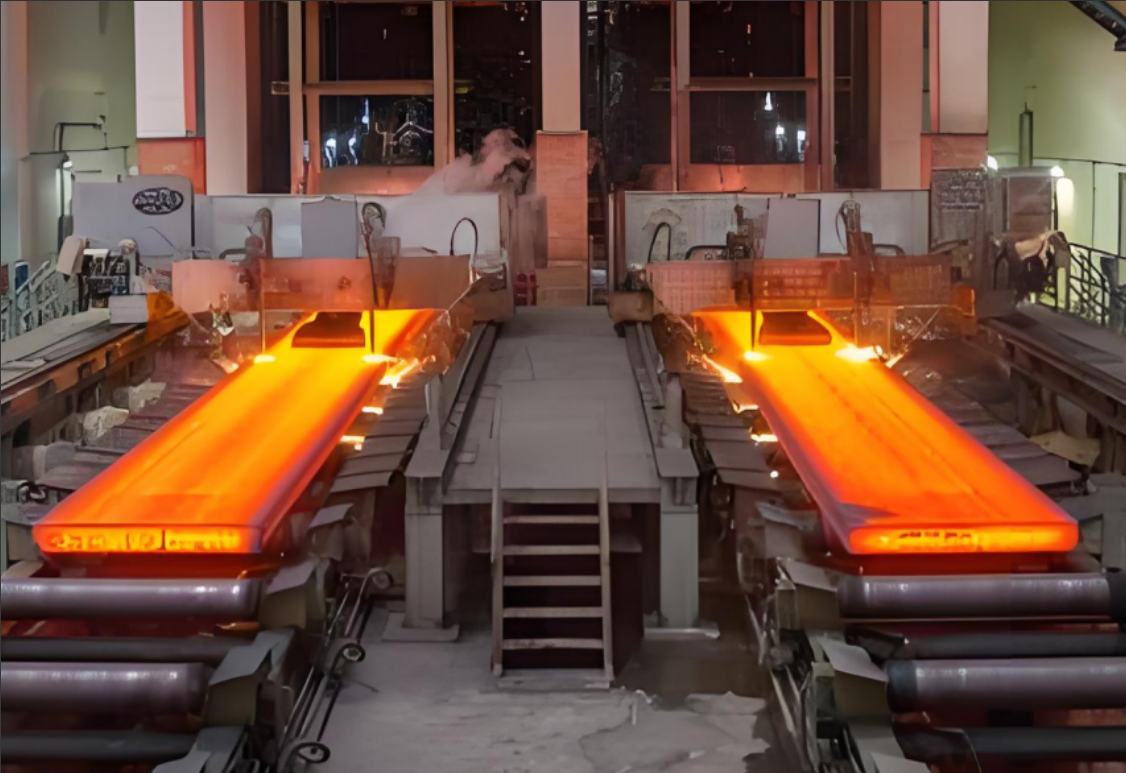
The foundation of sustainable steel fabrication lies in transitioning from a linear “take-make-dispose” model to a circular economy where steel is continuously recycled without loss of properties. Steel is one of the most recycled materials globally, with structural steel typically containing 90% or more recycled content. Modern fabrication shops increasingly source from electric arc furnace (EAF) mini-mills that use 100% scrap steel as feedstock, reducing CO₂ emissions by up to 70% compared to traditional blast furnace-basic oxygen furnace (BF-BOF) routes. For projects demanding certified green steel, fabricators can now procure material with Environmental Product Declarations (EPDs) documenting global warming potential (GWP) and other impact categories. Additionally, optimizing nesting software to arrange parts on plates or coils achieves material utilization rates above 90%, dramatically reducing scrap generation. Offcuts and skeleton remnants are segregated by grade and returned to scrap dealers for recycling, closing the material loop. By prioritizing recycled content, EAF-sourced steel, and zero-waste nesting, fabrication shops directly reduce their carbon footprint while meeting growing market demand for sustainable construction materials.
Energy-Efficient Processing and Renewable Power Integration
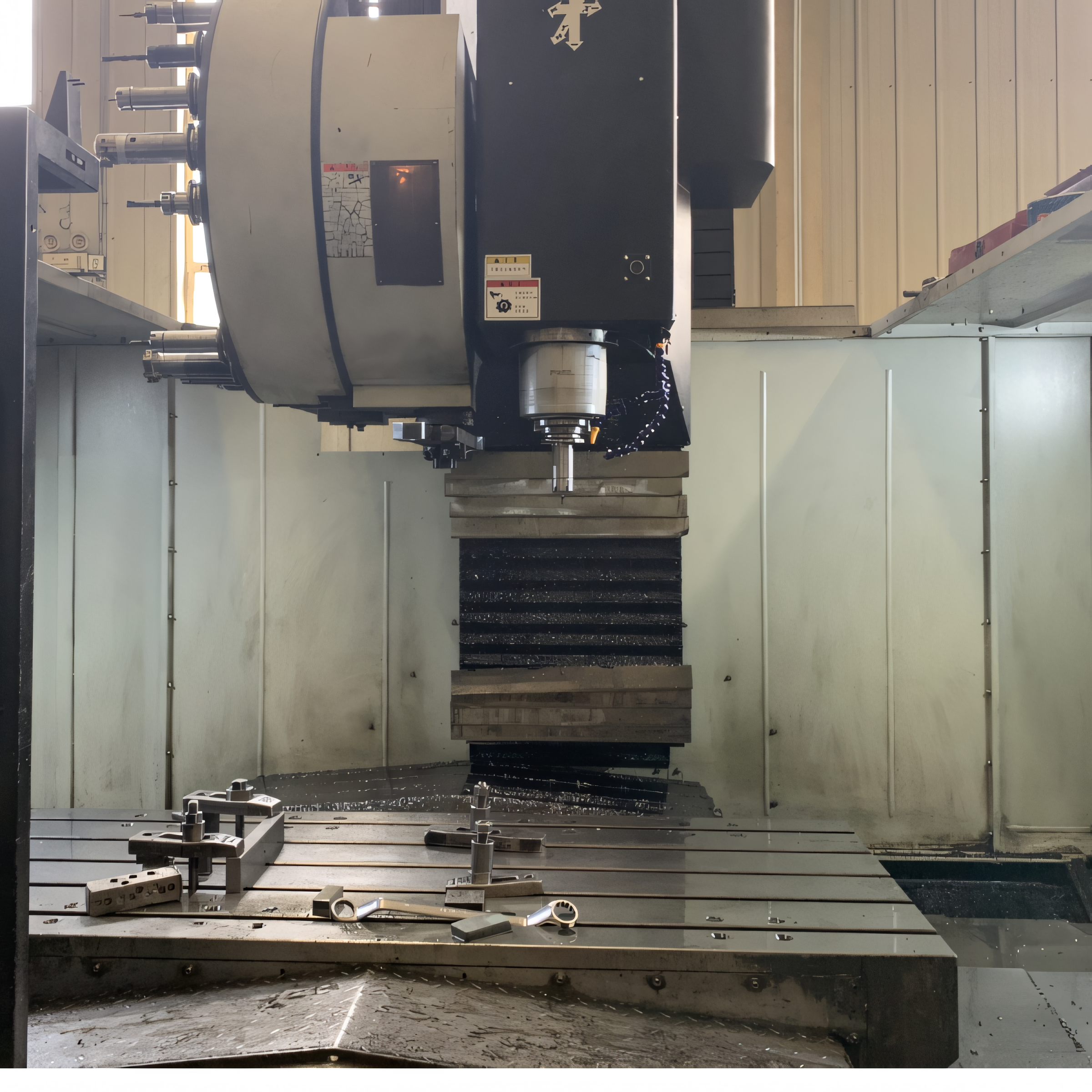
The steel fabrication process—laser cutting, CNC bending, welding, and finishing—consumes significant electricity and sometimes fossil fuels. Implementing energy-efficient technologies can reduce power consumption by 20–35% without compromising productivity. Fiber laser cutting systems, for example, are up to five times more energy-efficient than CO₂ lasers, converting over 35% of electrical input into cutting power. CNC press brakes with servo-electric drives consume up to 50% less energy than traditional hydraulic machines because they draw power only during bending, not during idle periods. Welding inverters with high power factor correction reduce energy waste while improving arc stability. Beyond equipment upgrades, fabrication shops are increasingly installing rooftop solar photovoltaic (PV) systems or purchasing renewable energy credits (RECs) to power their operations. In regions with grid-connected renewables, scheduling energy-intensive processes such as laser cutting and heat treatment during off-peak hours can leverage lower-carbon electricity. For heating, annealing, and stress relieving, electric furnaces powered by renewables eliminate direct CO₂ emissions entirely. By systematically auditing energy use, upgrading to high-efficiency machines, and transitioning to renewable power, fabricators can achieve carbon neutrality for their Scope 2 emissions (electricity) and reduce operating costs simultaneously.
Waste Reduction, Coating Management, and Water Conservation
Beyond steel scrap, sustainable fabrication addresses waste streams from consumables, surface coatings, and industrial water. Welding fume extraction systems with high-efficiency particulate air (HEPA) filters capture particulate matter, preventing release to the environment, while used filters are disposed of properly. For surface preparation, abrasive blasting media such as steel grit or garnet can be recycled through mechanical classifiers, extending media life by 5–10 cycles before disposal. In coating application, powder coating overspray is captured and reused, achieving material utilization rates exceeding 95%, while liquid paint systems should use high-transfer-efficiency spray guns (HVLP or electrostatic) to minimize overspray. Solvent and paint sludge waste must be collected by licensed hazardous waste contractors. For water-based processes such as quenching, pickling, or part washing, closed-loop water recycling systems filter and reuse rinse water, reducing fresh water consumption by up to 80%. Biodegradable, non-toxic cleaning agents replace harsh solvents where possible. Fabricators should also implement ISO 14001 environmental management systems to systematically track, reduce, and report waste, water, and emissions. By addressing these secondary waste streams, steel fabrication shops minimize their ecological footprint, comply with tightening environmental regulations, and position themselves as preferred suppliers for green building projects.