Material Selection: The Foundation of Durable Steel Steps
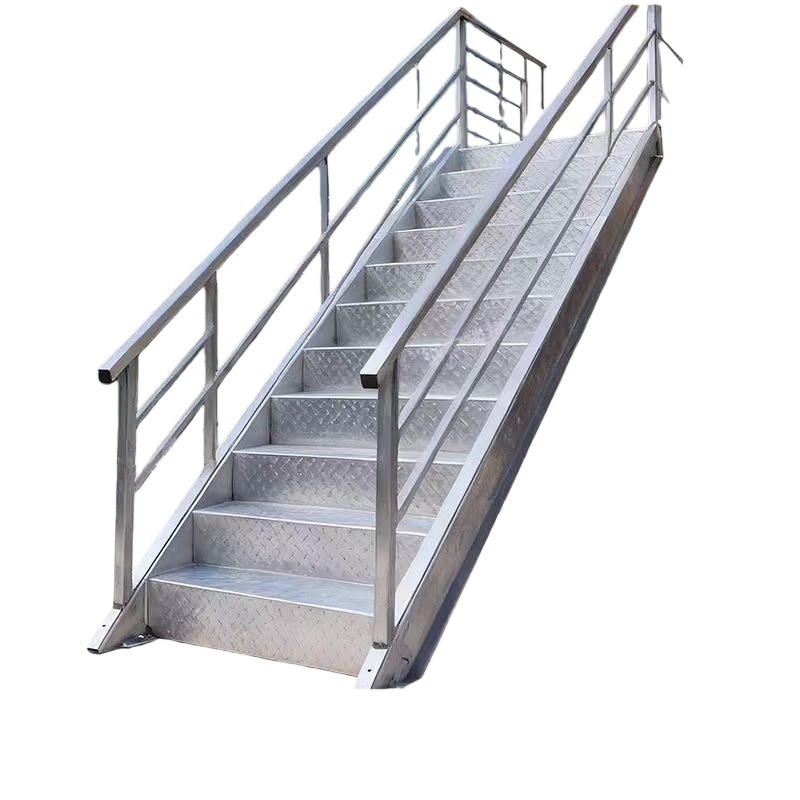
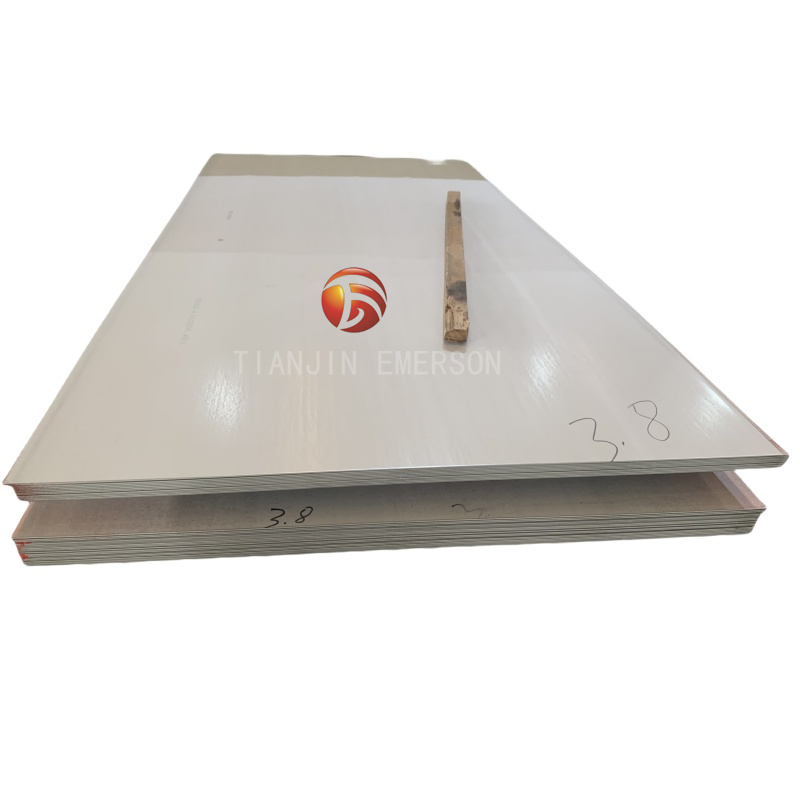
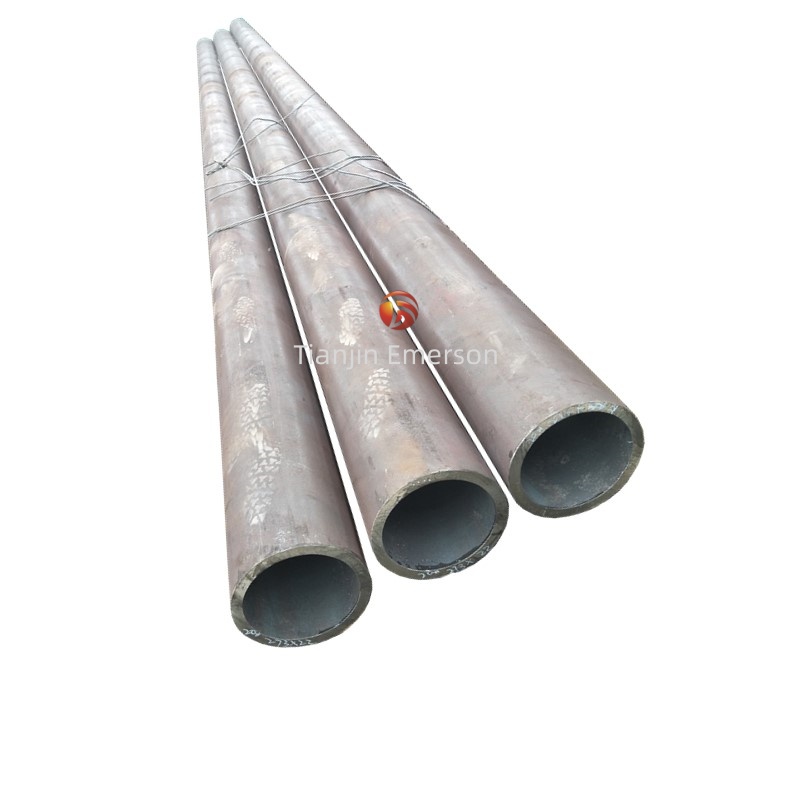
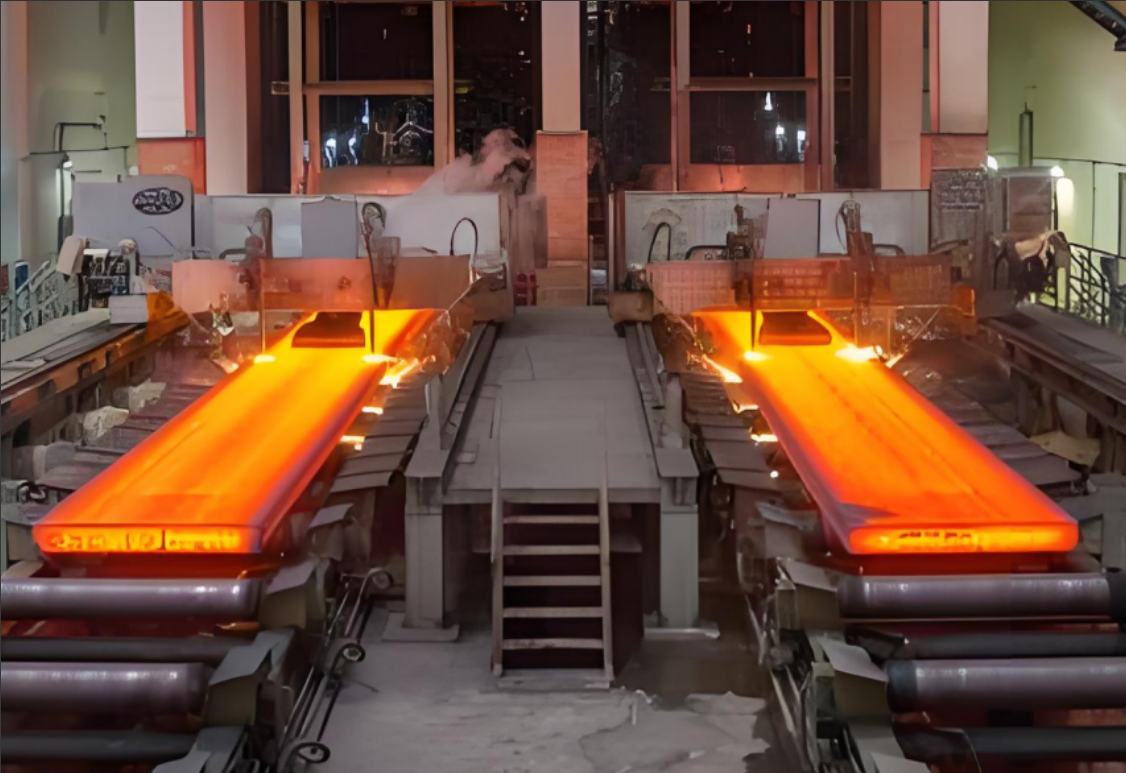
The manufacturing of steel steps begins with the careful selection of appropriate materials, a decision that directly influences the structural integrity, longevity, and safety of the final product. For general industrial and commercial applications, carbon steel remains the most widely used material due to its excellent strength, cost-effectiveness, and availability. Grades such as ASTM A36 (or its equivalents Q235B and S235JR) offer a good balance of mechanical properties and weldability, making them suitable for most stair tread and stringer applications. For environments exposed to moisture, chemicals, or corrosive conditions, stainless steel—particularly grades 304 and 316—provides superior corrosion resistance. While stainless steel carries a higher upfront cost, its long-term durability and minimal maintenance requirements often justify the investment in demanding settings. For outdoor applications where corrosion protection is required without the premium of stainless steel, galvanized steel offers an economical alternative. Additionally, for stair treads where slip resistance is paramount, checker plate (also known as diamond plate or tread plate) is frequently specified due to its raised anti-slip patterns. The material thickness must also be carefully considered, as it directly affects load-bearing capacity and fabrication requirements. Thicker materials provide greater structural strength but require more robust cutting and bending equipment.
Precision Cutting: Transforming Raw Material into Components
Once the material is selected, the fabrication process moves to the cutting stage, where steel sheets, plates, or structural sections are accurately sized to the required dimensions. Modern steel step manufacturing relies heavily on CNC laser cutting technology, which delivers exceptional precision and clean, burr-free edges. Fiber laser cutting systems can process plates with thicknesses ranging from 0.5mm to 6mm, maintaining slit widths within 0.1–0.3mm to ensure precise blanking. This high level of accuracy is essential for achieving the tight tolerances required in stair component assembly. For thicker materials or larger structural elements, CNC plasma cutting provides a cost-effective alternative, capable of handling heavier plates while maintaining dimensional accuracy. The cutting stage must account for the specific geometry of each component: stringers require precise miter cuts to achieve the correct stair angle, while treads and risers need accurate rectangular or custom-profiled blanks. Advanced fabrication facilities utilize CAD/CAM integration to generate cutting paths directly from engineering drawings, eliminating manual layout errors and ensuring consistent quality across production runs. Following cutting, all components undergo deburring and edge preparation to remove sharp edges and prepare surfaces for subsequent forming and welding operations.
CNC Bending: Creating Three-Dimensional Profiles
The bending stage transforms flat-cut blanks into the three-dimensional shapes required for stair components. This operation is typically performed on CNC press brakes, which apply controlled force to bend steel along predetermined lines. For stair treads, bending creates the characteristic nosing—the slightly raised front edge that provides additional slip resistance and a finished appearance. For stringers, bending operations form the channel or box sections that support the treads and risers. Modern CNC press brakes equipped with advanced backgauges and angle measurement systems achieve bend angle tolerances within ±0.5 degrees, ensuring that each component fits precisely during assembly. The bending process requires careful consideration of material springback—the tendency of steel to partially return to its original shape after forming. For high-strength materials like stainless steel, this springback effect is more pronounced and must be compensated for in the bending program. Additionally, the minimum bend radius must be respected to prevent cracking or material failure, particularly when forming thicker plates or higher-strength alloys. For complex stair designs with curved or spiral elements, specialized rolling equipment may be employed to achieve smooth, continuous bends. The integration of CAD/CAM systems with CNC press brakes allows for rapid setup changes and consistent quality across both prototype and production runs.
Professional Welding: Assembling Durable Steel Structures
Welding is the critical joining operation that assembles individual steel components into a complete, structurally sound stair system. The most common welding processes employed in steel stair fabrication are MIG (GMAW) and TIG (GTAW) welding, each selected based on material type, thickness, and aesthetic requirements. For carbon steel components, MIG welding offers high deposition rates and deep penetration, making it ideal for structural joints such as stringer-to-tread connections. For stainless steel stairs, where appearance and corrosion resistance are paramount, TIG welding provides clean, spatter-free welds with superior aesthetics. Proper joint preparation is essential for achieving sound welds: beveling edges for full-penetration joints and ensuring tight fit-up to minimize gaps. For galvanized steel steps, the zinc coating must be ground off at weld locations to prevent porosity and harmful fumes. Welding parameters—including current, voltage, travel speed, and shielding gas composition—must be carefully controlled to minimize distortion and ensure consistent weld quality. For structural integrity, welds must achieve full fusion without undercut or overlap. In exposed applications, weld seams may be ground and finished to achieve a smooth, visually appealing surface. Post-weld inspection, including visual examination and, where specified, non-destructive testing, verifies weld quality. After welding, the complete stair assembly undergoes finishing operations—including grinding, cleaning, and surface treatment such as painting, powder coating, or galvanizing—to provide corrosion protection and achieve the desired aesthetic appearance.