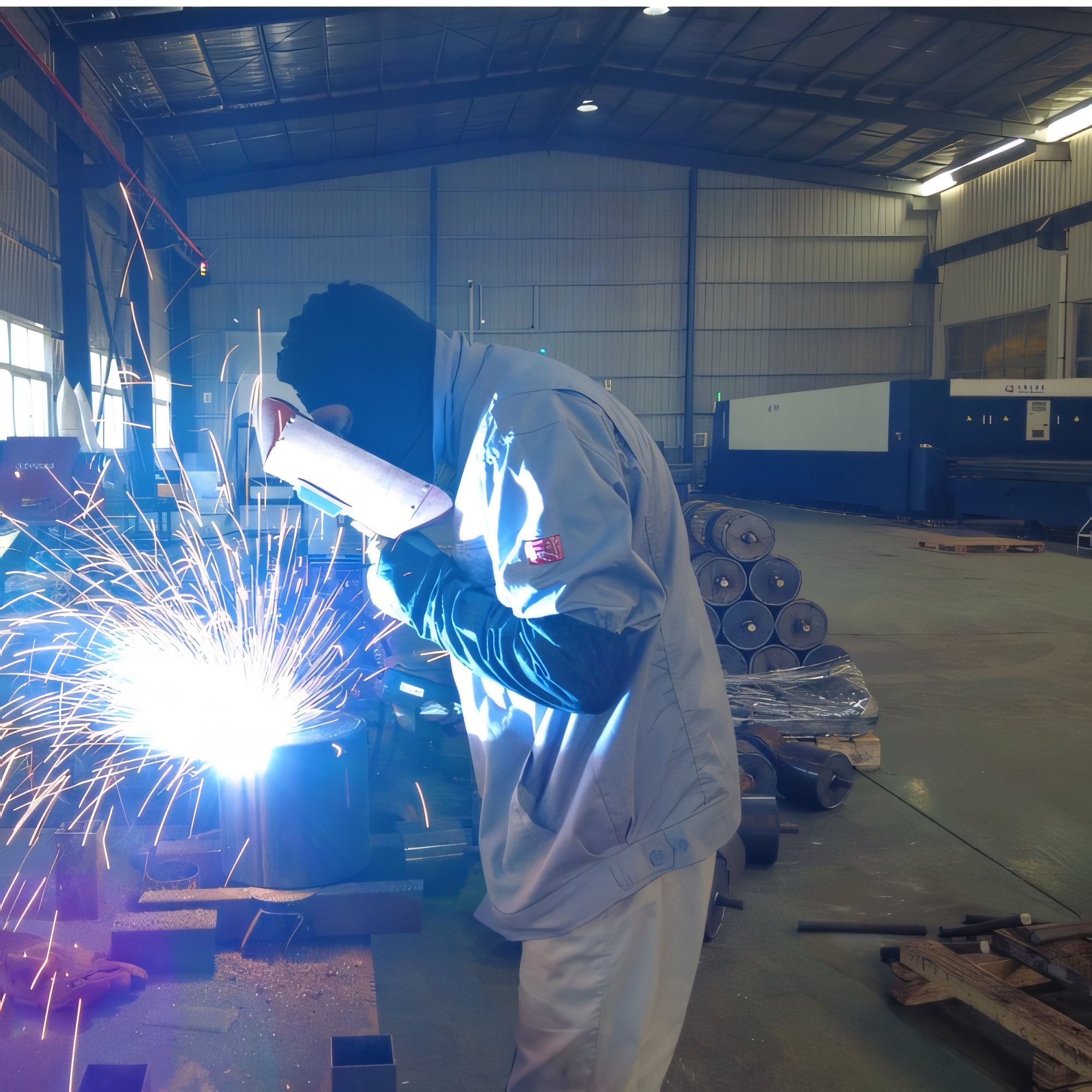
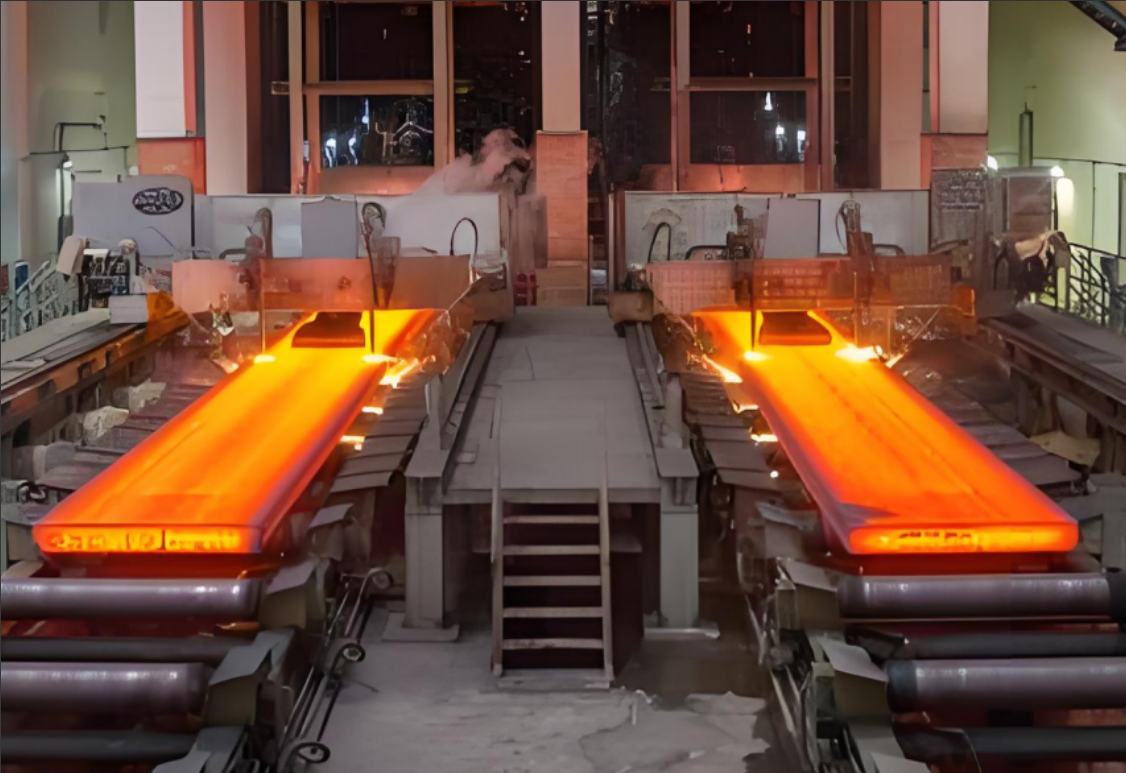
The automotive industry demands high-volume production of lightweight yet strong components such as chassis frames, body panels, and structural reinforcements. For these applications, high-speed stamping using progressive dies is the dominant method, where steel coil is fed continuously through a press that performs piercing, forming, and blanking in a single stroke, achieving rates of 30–100 parts per minute. To ensure dimensional accuracy for safety-critical parts like door beams and bumper reinforcements, 20000V laser cutting is employed for prototyping and low-volume runs, delivering tolerances within ±0.1mm with minimal heat-affected zone. Advanced high-strength steels (AHSS) and press-hardened steels (PHS) require tailored heat treatment during forming, where blanks are heated to austenitizing temperature, formed in cooled dies, and quenched to achieve martensitic strength. Post-processing includes robotic MIG welding for joining subassemblies, with adaptive seam tracking to handle part variability. These methods collectively enable automakers to reduce weight while meeting crash safety standards.
Construction and Infrastructure: Heavy Plate Cutting and Submerged Arc Welding
Structural steel for buildings, bridges, and towers involves thick plates (up to 150mm) and heavy sections that require robust processing methods. Oxy-fuel and high-definition plasma cutting are preferred for profiling thick plates due to their deep penetration capability and cost-effectiveness for large parts, achieving cut-edge flatness suitable for welding without secondary finishing. For beams and columns, CNC beam lines automatically measure, drill, and saw members, eliminating manual layout errors and ensuring bolt hole patterns align with connection details. The primary joining method for heavy structures is submerged arc welding (SAW) , which offers high deposition rates (up to 100 kg/hour) and deep penetration for full-thickness groove welds on flanges and webs. Tack welding with gas metal arc welding (GMAW) is used for assembly before SAW. For corrosion protection of outdoor structures, hot-dip galvanizing or three-coat paint systems (zinc-rich primer, epoxy intermediate, polyurethane topcoat) are applied after fabrication. These processing methods produce durable, code-compliant steel frames for long-term service.
Energy and Heavy Machinery: Forging, Rolling, and Heat Treatment
The energy sector—including oil and gas, wind power, and mining—requires components that withstand extreme pressures, fatigue, and wear, such as drill collars, turbine shafts, and gear blanks. For these demanding applications, open-die forging is used to shape steel ingots into rough forms, refining grain structure and eliminating internal voids. Subsequent hot rolling on ring mills or bar mills achieves final dimensions while maintaining material integrity. For critical parts like pressure vessel heads, plate rolling and forming using three-roll or four-roll machines bends thick plates into cylindrical or spherical shapes. Quenching and tempering (Q&T) heat treatment is applied to alloy steels (e.g., 4140, 4340) to achieve specified hardness and toughness profiles. Final machining on CNC lathes and mills produces precise bearing surfaces and threaded connections. Laser cladding or thermal spray coating may be added to wear-prone areas such as drill tool joints. These specialized processing methods ensure reliable performance of steel components in high-stress energy environments.