Raw Material Selection: The Foundation of Pipe Quality
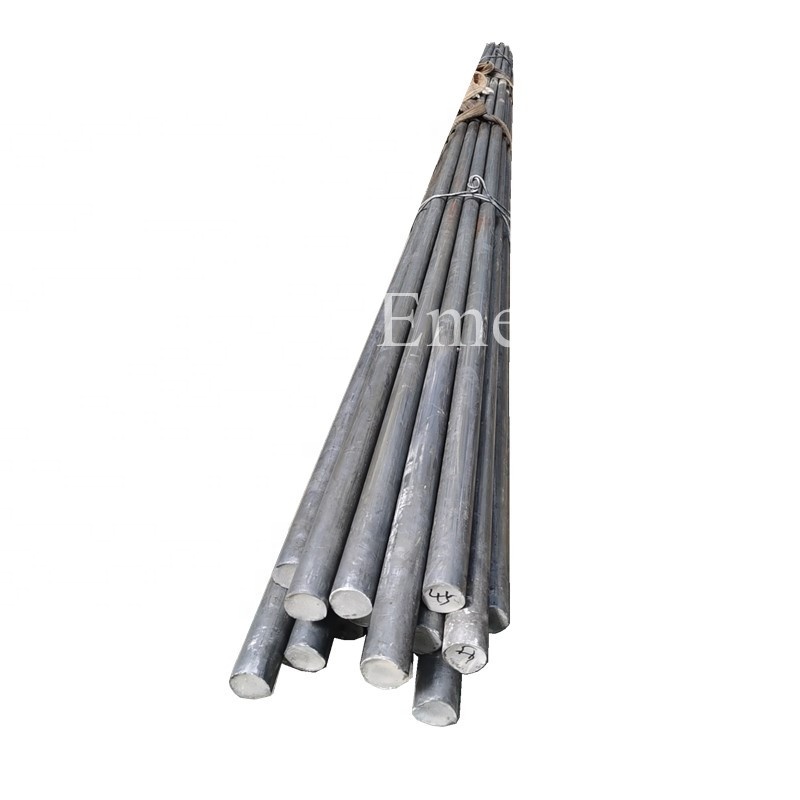
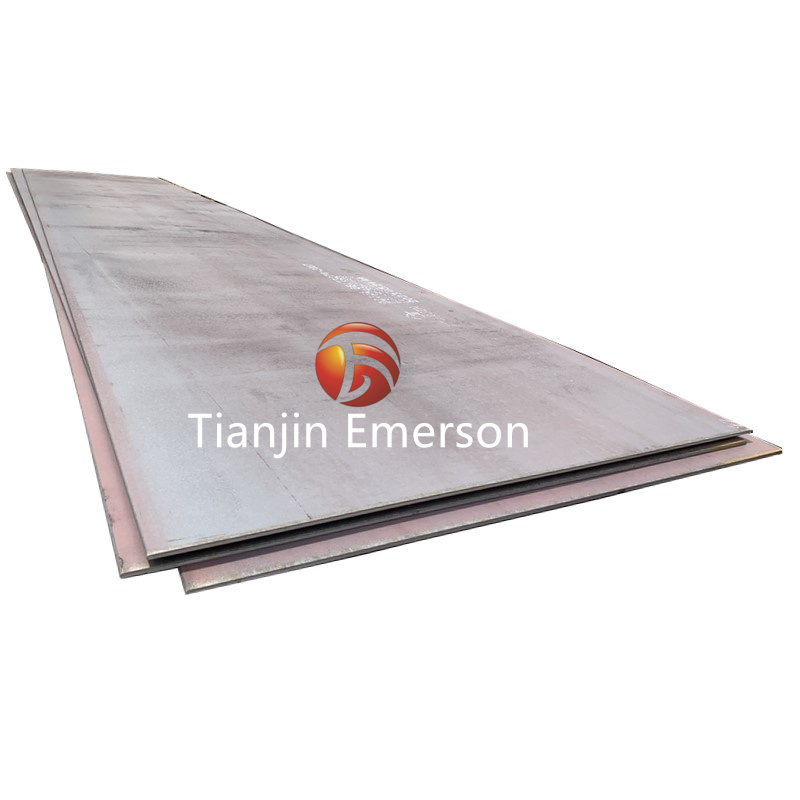
The steel pipe manufacturing process begins with the careful selection of raw materials, which fundamentally determines the final product’s mechanical properties, dimensional accuracy, and suitability for specific applications. For the production of welded steel pipes, the primary raw material is steel coil—including hot-rolled, cold-rolled, or pickled and oil-quenched coils—whose chemical composition and mechanical properties are specified by standards such as ASTM A36, API 5L, or EN 10025. The thickness, width, and edge condition of the steel strip directly affect the forming process and weld quality. For the manufacture of seamless steel pipes, the starting material is a solid round billet, which must be heated to forging temperature before undergoing piercing and rolling processes.
Seamless Pipe Production: From Solid Billet to Hollow Section
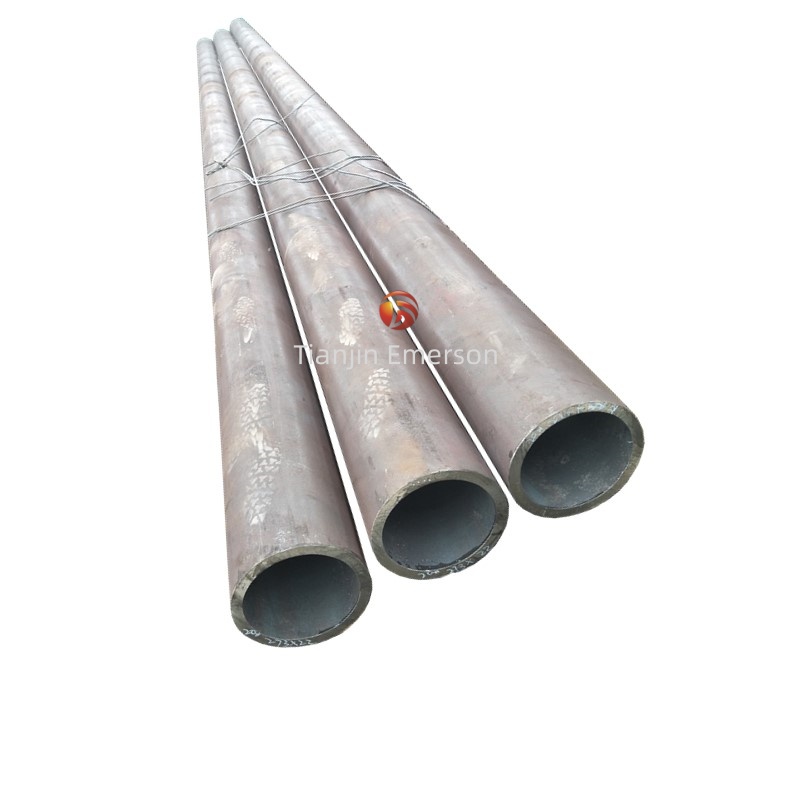
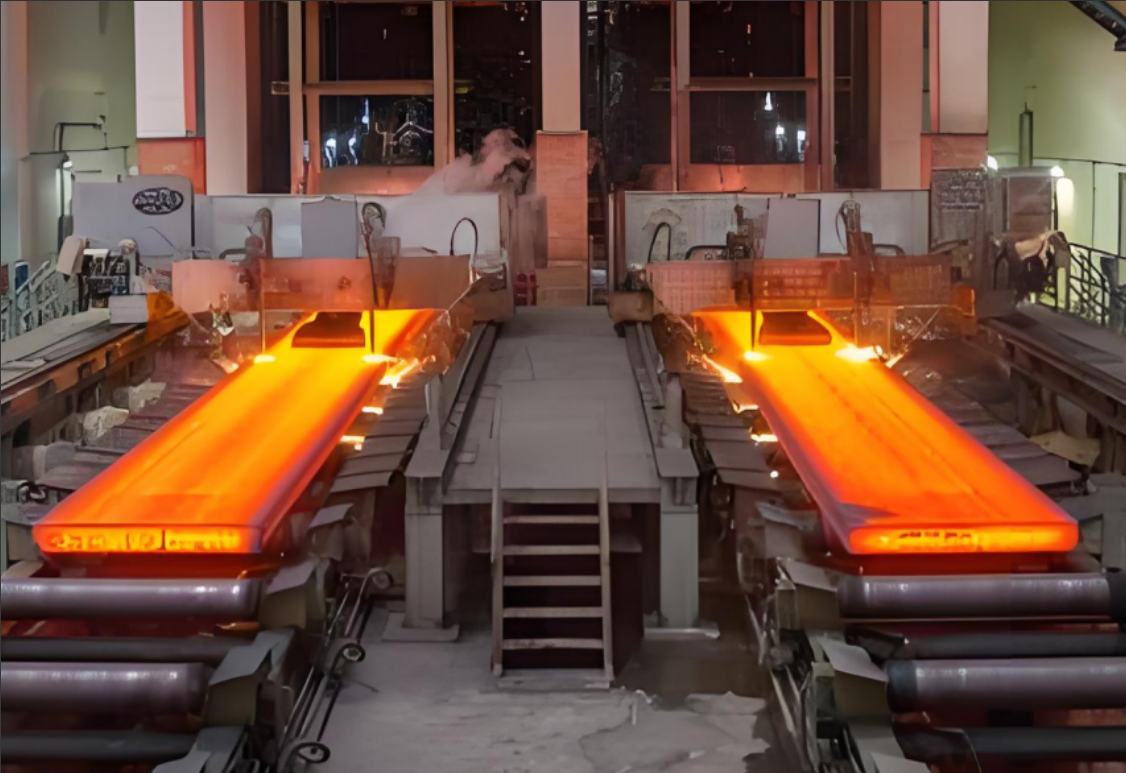
The manufacturing process for seamless steel pipes produces hollow sections without any weld seams, ensuring a uniform structure and excellent pressure resistance. The process begins by heating a solid round billet to approximately 1,200°C in a rotary kiln. The heated billet is then fed into a piercing machine, where a pointed mandrel pierces through the center of the billet, forming a hollow shell known as a billet or hollow billet. The hollow billet is then drawn and reduced in diameter through a series of rolling operations until the desired diameter and wall thickness are achieved—specifically using mandrel rolling mills (for smaller diameters) or plug rolling mills (for larger diameters). Subsequent sizing and straightening processes ensure dimensional accuracy, while heat treatments such as normalizing or quenching and tempering may be performed to achieve the specified mechanical properties. Seamless pipes are specifically designed for high-pressure applications, including oil and gas transportation, boiler tubes, and hydraulic systems, where the integrity of the weld is often subject to strict requirements.
Welded Pipe Manufacturing: The Electric Resistance Welding (ERW) Process
Electric resistance welding (ERW) is the most common method for manufacturing welded steel pipes, offering exceptional production efficiency and cost-effectiveness for diameters ranging from 1/2 inch to 24 inches. The process begins with the uncoiling and flattening of steel coils, followed by a series of forming rolls that gradually shape the flat strip into a cylindrical pipe blank. As the formed edges are brought together, high-frequency current is applied via induction coils or contact electrodes to heat the edges to welding temperature without melting the entire cross-section. Subsequently, pressure rollers forge the heated edges together under pressure, forming a solid-state weld without the need for filler metal. The weld is then trimmed (removing internal and external burrs), and the tube is fed into sizing rolls to achieve its final dimensions. In-line non-destructive testing (typically using ultrasonic or eddy current methods) continuously verifies the integrity of the weld during production. ERW steel pipes are widely used in structural engineering, water supply, and medium-pressure fluid conveyance applications.
Submerged Arc Welding: LSAW and SSAW for Large Diameters
For large-diameter pipes exceeding 24 inches, Longitudinal Submerged Arc Welding (LSAW) and Spiral Submerged Arc Welding (SSAW) are the predominant manufacturing methods. LSAW pipe begins with individual steel plates that are formed into a cylindrical shape through press-bending operations such as JCOE (J-shape, C-shape, O-shape, Expansion) or UOE (U-shape, O-shape, Expansion). The longitudinal seam is then welded using submerged arc welding (SAW) from both the inside and outside, achieving full wall thickness penetration with high-quality, defect-free welds. This method produces pipes with excellent dimensional stability, straightness, and toughness, making them ideal for high-pressure oil and gas transmission lines, offshore structures, and piling applications. SSAW pipe, alternatively, is formed by feeding steel coil at an angle into a forming machine that spirals the strip into a cylindrical shape, with the spiral seam welded continuously via SAW. This process offers exceptional flexibility in diameter production and is highly economical for water transmission, structural piling, and low-to-medium pressure applications.
Heat Treatment and Finishing Operations
After the initial forming and welding processes are completed, the steel pipes undergo a series of finishing operations to enhance their mechanical properties, dimensional accuracy, and corrosion resistance. Heat treatment is typically used to achieve the specified mechanical properties; normalizing refines the grain structure to improve toughness, while quenching and tempering develop high strength suitable for demanding operating conditions. Sizing and straightening processes ensure that the steel pipes meet the strict dimensional tolerances required by standards such as ASTM, API, or EN. End processing prepares the pipes for on-site installation, including beveling for welded joints, threading for mechanical connections, or slotting for coupling systems. Finally, surface treatments—such as oiling, painting, or hot-dip galvanizing—protect the pipes from corrosion during storage, transportation, and use.
Quality Control and Certification for Buyers
For buyers, understanding the quality control measures and certifications applicable to steel pipes is critical to ensuring product reliability and compliance with project specifications. Reputable manufacturers implement a comprehensive quality management system certified to ISO 9001 and hold other relevant certifications, such as API Q1 certification for oil and gas products or ISO 3834 certification for welding quality. Throughout the manufacturing process, dimensional accuracy, weld integrity, and surface condition are monitored through process inspections, and witness procedures are established at critical inspection points to allow the purchaser to witness key tests on-site. Final product certification includes a Mill Test Report (MTR) documenting chemical composition, mechanical properties, and non-destructive testing results, thereby ensuring traceability from raw materials to the finished steel pipe. The purchaser should also verify that the steel pipe is marked with all necessary information in accordance with applicable standards—including dimensions, grade, furnace number, and manufacturer’s identification—to ensure that the delivered product meets specification requirements and can be used with confidence for its intended application.