Cold Drawn Finish: Precision and Enhanced Mechanical Properties
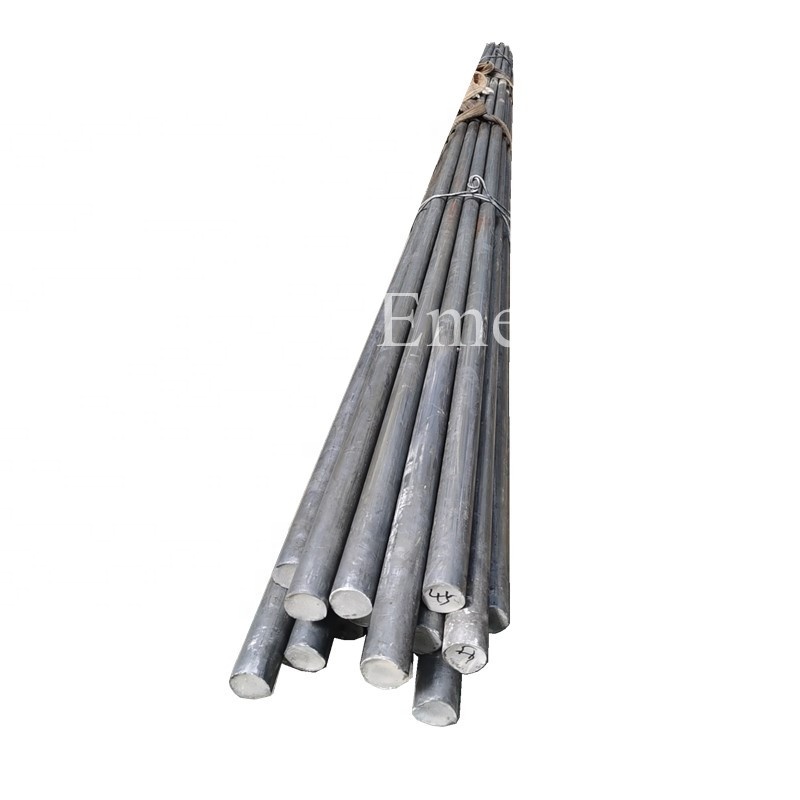
Cold drawing is one of the most common and cost-effective surface finishing methods for carbon and alloy steel round bars. In this process, hot-rolled bars are drawn through carbide dies at room temperature, which compacts the material, improves dimensional accuracy, and produces a smooth, bright, and scale-free surface. Cold drawing also increases yield and tensile strengths through strain hardening, making it ideal for precision shafts, hydraulic components, and automotive parts. Surfaces treated by this process typically achieve a surface roughness of 32 to 63 micro-inches, with tight diameter tolerances (for example, a 1-inch round bar has a tolerance range of +0.000 inches to -0.002 inches). This surface treatment is suitable for general machining applications, meeting the requirements for a clean, scale-free surface and enhanced mechanical properties without the need for additional processing.
Turned and Polished (TP) Finish: Superior Surface Quality for Critical Components
The Turning and Polishing (TP) finishing process begins by peeling or turning the round bar on a lathe to remove the surface decarburization layer, cracks, and other defects, followed by polishing to achieve an extremely smooth and lustrous surface. This method thoroughly removes the outer layer of the bar, ensuring that the final product’s surface is free of any imperfections that could lead to fatigue cracks or corrosion. The surface roughness of bars treated with the TP process can be as low as 8 to 16 microinches, with diameter tolerances controlled within ±0.025 mm. This surface treatment is critical for applications requiring high fatigue strength, such as hydraulic piston rods, pump shafts, and precision mechanical components. The decarburized-free surface also ensures consistent heat treatment reactions and delivers exceptional performance under dynamic loading conditions.
Ground Finish: Ultra-Precision for Bearing and Guide Applications
Centerless grinding is currently the process that achieves the highest surface finish in round bar machining, capable of producing micron-level surface roughness (typically 4 to 8 microns Ra) and diameter tolerances of ±0.005 mm. In this process, the round bar is fed between a grinding wheel and a regulating wheel; by removing an extremely small amount of material, precise dimensions and an exceptionally smooth, flawless surface are achieved. Ground round bars are widely used in linear motion guides, bearing shafts, injection molding machine components, and any application requiring near-perfect roundness, straightness, and surface integrity. This process can also meet special requirements, such as mirror polishing or the specific surface texture required to maintain an oil film in bearing applications.
Shot Blasting and Pickling: Scale Removal for Hot Rolled Bars
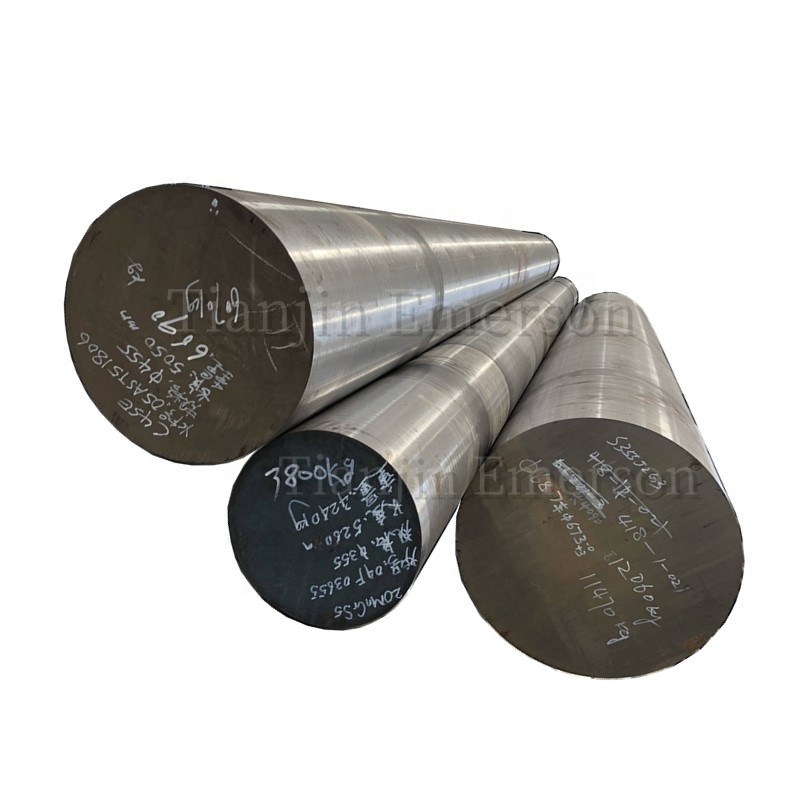
For hot-rolled round bars that require further processing but must have a clean surface without the need for machining, shot blasting and acid pickling are effective surface treatment methods. The shot blasting process involves propelling abrasive media at high speed to impact the steel surface, mechanically removing scale and rust while creating a uniform matte texture that is ideal for coating adhesion. Pickling involves immersing the round steel in an acidic solution (typically hydrochloric or sulfuric acid), where a chemical reaction dissolves scale and oxides, resulting in a clean, gray surface. These surface treatment processes are commonly applied to structural round steel intended for welding, hot-dip galvanizing, or painting, as they remove contaminants that could otherwise affect coating performance or weld quality. For high-volume production, both methods are cost-effective and prepare the surface for subsequent protection without significant material removal.
Surface Coating: Corrosion Protection for Demanding Environments
When enhanced corrosion resistance or lubricity is required, round bars undergo various surface coating treatments after machining. Galvanizing (electrogalvanizing) involves the electrochemical deposition of a thin, uniform layer of zinc, providing sacrificial protection for indoor and mildly corrosive environments. Hot-dip galvanizing, on the other hand, forms a thicker, metallurgically bonded zinc layer, making it suitable for outdoor, marine, or industrial applications requiring maximum corrosion protection. To improve wear resistance or reduce friction, hydraulic rods and piston shafts are chrome-plated, achieving a surface hardness of 70 Rockwell C and a mirror-like finish. Phosphating (typically followed by oiling) creates a porous surface that retains lubricants and serves as an excellent substrate for coating adhesion. The selection of an appropriate coating depends on the specific operating environment, required service life, and cost considerations.