Understanding the Root Causes of Plate Distortion
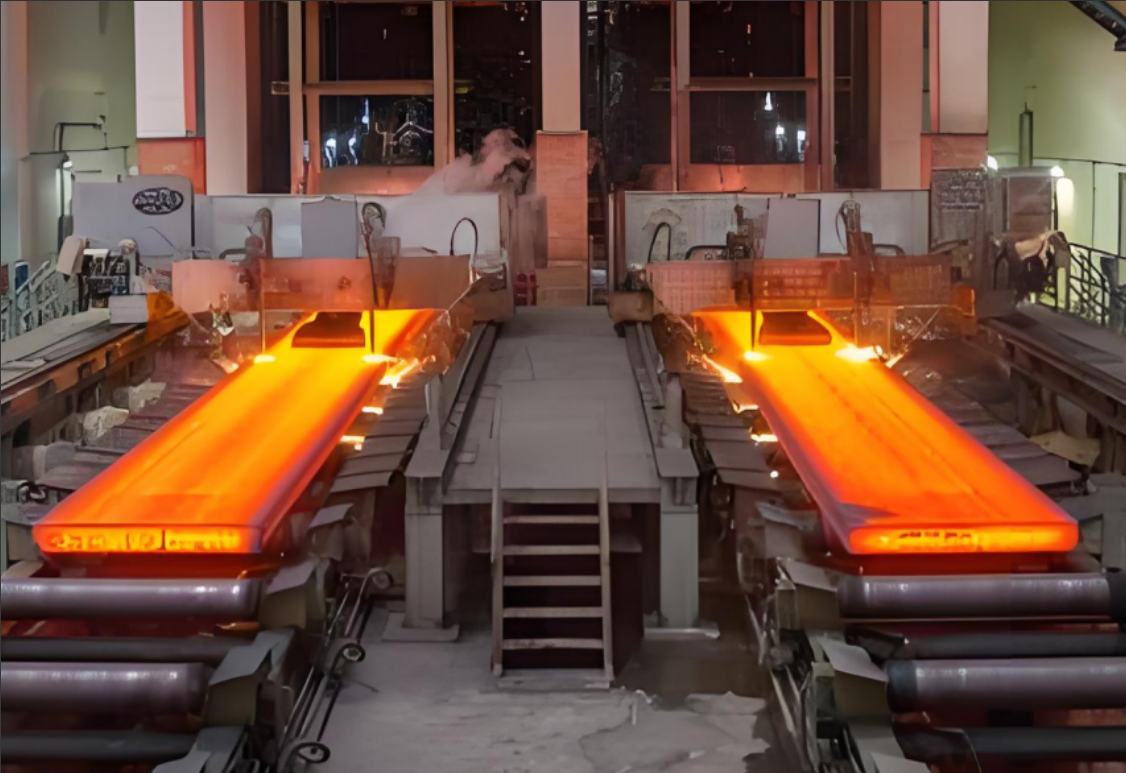
Warping of steel plates during processing is primarily caused by uneven expansion and contraction of the material when it is subjected to localized heating during welding, cutting, or other thermal processing operations. When a concentrated heat source raises the temperature in a specific area, that area expands toward the surrounding metal at a lower temperature, thereby generating compressive stress; during cooling and contraction, these compressive stresses are converted into residual tensile stresses, causing the steel plate to deviate from its original plane. The degree of warping depends on several factors, including the thickness of the steel plate, the intensity and duration of heat input, the constraints during processing, and the material’s thermal conductivity and coefficient of thermal expansion. Understanding these fundamental mechanisms is the first step toward implementing effective preventive strategies.
Optimizing Cutting Techniques to Minimize Thermal Input
From the very beginning of the manufacturing process, selecting the appropriate cutting method and parameters is crucial for preventing sheet warping. For thin sheets no thicker than 12 mm, high-precision laser cutting—which employs optimized feed rates and minimizes heat input—can significantly reduce distortion compared to oxy-fuel cutting, which introduces more heat into the workpiece. When using thermal cutting processes, operators should start cutting away from the sheet edges, allow sufficient cooling time between continuous cuts, and avoid dense cutting in small areas to prevent heat concentration. For critical applications requiring the highest flatness, waterjet cutting offers a cold-cutting alternative that completely eliminates heat-induced distortion, although its operating costs are higher. When thermal cutting cannot be avoided, using a waterjet table or backing plate to absorb and dissipate heat helps maintain the sheet’s flatness.
Implementing Strategic Welding Sequences and Clamping
Designing a proper welding sequence is undoubtedly the most effective method for controlling distortion in welded components. The basic principle involves balancing thermal stresses by distributing heat evenly throughout the entire assembly. For long welds, using the “back-welding” technique—that is, depositing short weld segments in the direction opposite to the overall welding direction—can prevent heat from accumulating at one end. Alternating between the two sides of the joint, using skip welding (intermittent welding) rather than continuous passes, and welding from the center toward the edges all help balance thermal contraction forces. Effective clamping and fixture mounting are equally important; rigidly constraining the workpiece during welding forces the material to maintain its intended shape as the weld solidifies, but care must be taken to avoid over-constraint, which can lead to cracking. Support frames, temporary reinforcements, and heavy-duty spot welding can provide the necessary restraint until the assembly has cooled sufficiently to resist warping.
Controlling Heat Input Through Parameter Optimization
Precise control of welding parameters directly affects the degree of plate deformation; generally, the lower the heat input, the less warpage occurs. Reducing voltage and current while maintaining sufficient penetration, increasing travel speed to minimize heat exposure time, and using smaller-diameter electrodes—these measures all help reduce the total heat input per unit length of weld. Compared to a single large weld bead, welding with multiple smaller beads is preferable because each smaller bead allows for a certain cooling period between passes, thereby reducing the peak temperature reached in the heat-affected zone. The pulsed welding process, by alternating between high and low currents, creates a narrower heat-affected zone and significantly reduces distortion compared to conventional spray transfer welding. Preheating the entire steel plate to a moderate temperature before welding—rather than just heating a localized area—can sometimes reduce distortion by minimizing the temperature difference between the weld zone and the surrounding base metal.
Applying Post-Weld Stress Relief and Straightening Techniques
Even with strict process control, some residual stresses and minor distortions may still remain; therefore, post-welding treatment is required to restore the flatness of the steel plate. Thermal stress relief is performed in a controlled furnace; for carbon steel, this is typically carried out at temperatures between 550°C and 650°C. Through creep and recrystallization, the material releases internal stresses, after which the steel plate is uniformly cooled to a stress-free state. For localized deformation, a precise flame straightening process can be employed: a torch is used to heat specific bulging areas, causing them to expand, followed by controlled cooling and contraction, thereby pulling the plate back into a flat state. Mechanical straightening using bending machines, roller straighteners, or hammering can correct minor warping, but this method may cause work hardening of the material and should therefore be used with caution in structural applications where ductility is required. For components where dimensional accuracy is critical, incorporating strategic stiffeners or reinforcing ribs into the original design can provide inherent resistance to warping, thereby stabilizing the manufacturing process throughout the welding operation.