Material Selection: The Foundation of Reliable Embedments
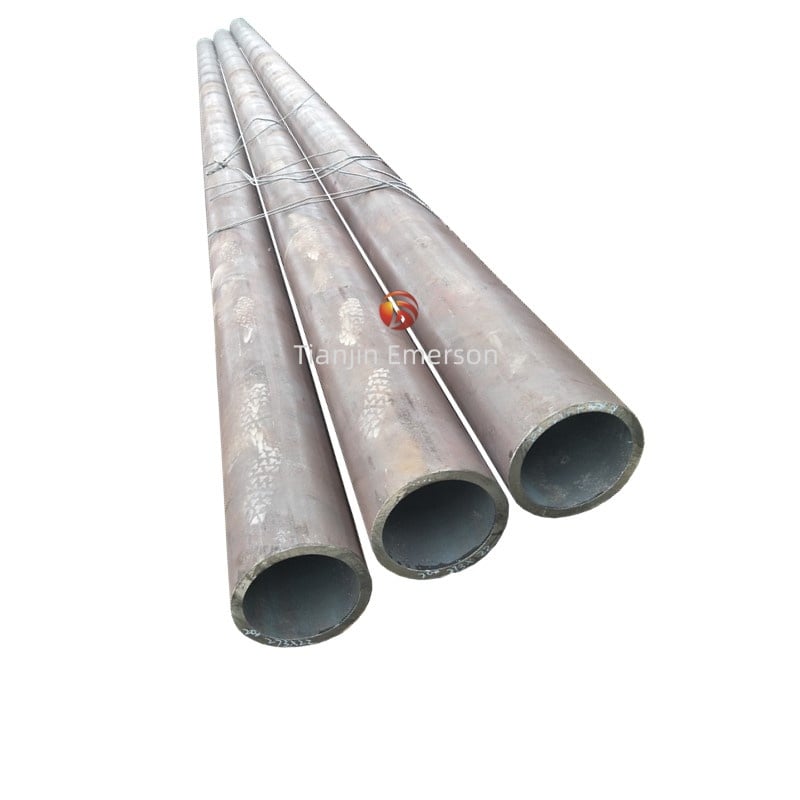
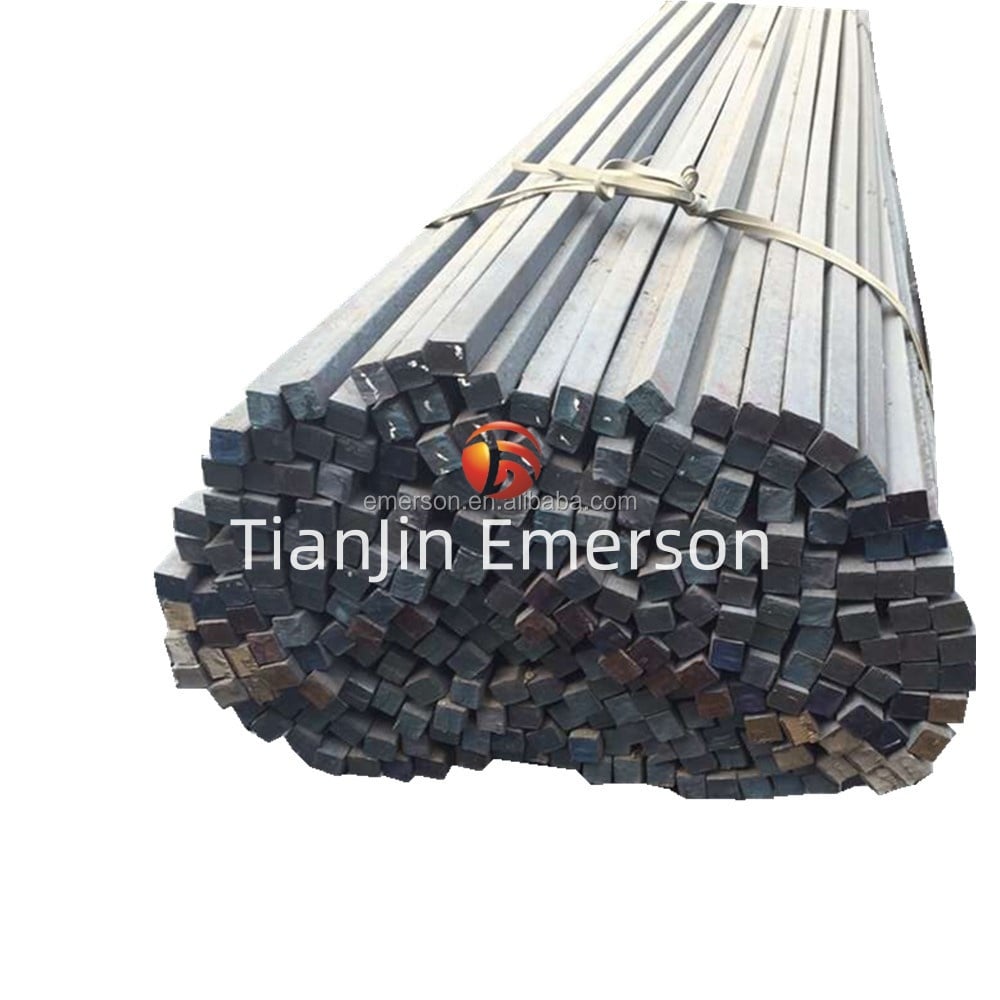
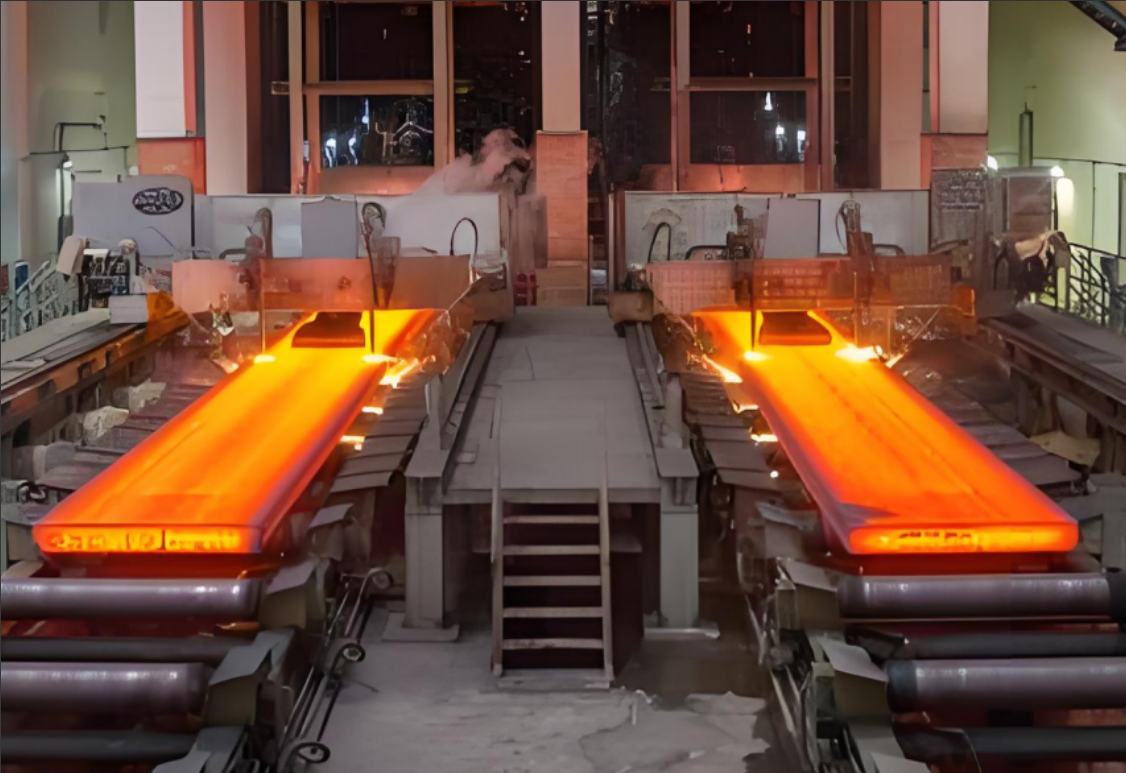
The manufacturing of steel embedded parts begins with the careful selection of raw materials that must meet stringent mechanical and chemical requirements to ensure reliable load transfer between steel structures and concrete foundations. The most commonly used material for embedded plates and anchor bolts is Q235B carbon structural steel, which offers an excellent balance of strength, weldability, and cost-effectiveness for general construction applications. For projects requiring higher strength, Q355B may be specified to provide enhanced load-bearing capacity. Anchor bolts are typically fabricated from round steel bars, with the buried depth generally specified as 25 times the bolt diameter, and a 90-degree hook approximately 120mm in length is formed at the embedded end to ensure adequate anchorage. For corrosion-resistant applications, stainless steel grades such as 304 and 316 are available, offering superior durability in aggressive environments. The material selection process must consider the specific service conditions, including exposure to moisture, chemicals, and cyclic loading, to ensure the embedded parts provide reliable performance throughout the structure's service life. All incoming materials should be inspected for chemical composition and mechanical properties through laboratory testing, including tensile testing, hardness testing, and chemical analysis, to verify compliance with design specifications.
Cutting and Shaping: Precision Fabrication of Embedded Components
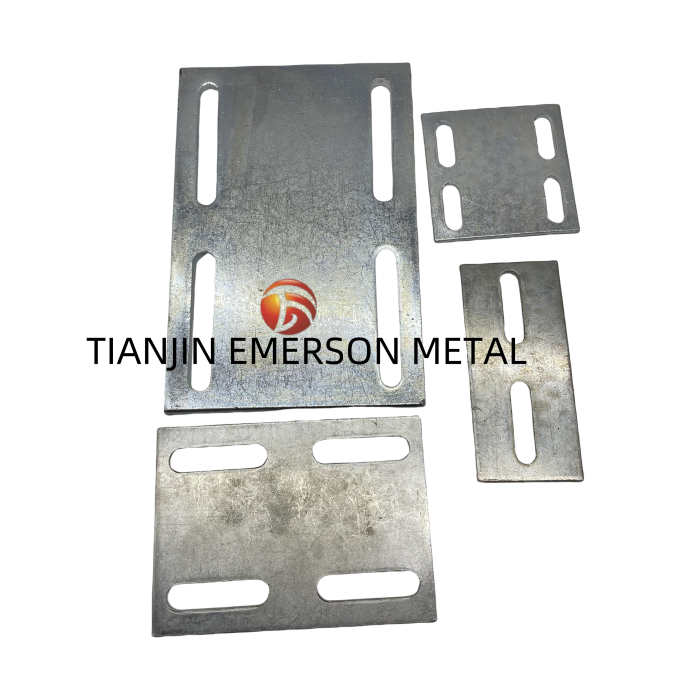
The fabrication process transforms raw steel plates and bars into precisely dimensioned embedded components through a series of controlled cutting and shaping operations. Steel plates are cut into the desired shape and size using advanced cutting tools such as saws, plasma cutters, or laser cutting systems, depending on the required precision and production volume. For more complex geometries requiring intricate contours or precise hole patterns, machining processes including CNC milling and drilling are employed to achieve the necessary dimensional accuracy. The dimensional accuracy of embedded parts is critical, as tolerances for length, width, thickness, and hole diameter must be strictly controlled to ensure proper fit during installation. Dimensional inspection is carried out using precision measuring tools such as calipers, micrometers, and coordinate measuring machines (CMM). For embedded plates with multiple anchor bolts or studs, the hole positions and bolt patterns must be precisely located to match the mating structural steel connections. The cutting and shaping stage also includes edge preparation, where bevels or chamfers may be applied to facilitate welding and improve load transfer characteristics.
Welding and Assembly: Creating Integral Connections
The assembly of steel embedded parts typically involves welding anchor bolts, headed studs, or reinforcing bars to the embedded plate, creating a monolithic component capable of transferring loads between the concrete and the attached steel structure. The welding process must be executed with precision to ensure the integrity of the connection, as the weld quality directly affects the load-bearing capacity of the embedment. Common welding methods include Gas Metal Arc Welding (GMAW/MIG) for general fabrication and stud welding for attaching headed shear connectors. In stud welding, a stud welding gun generates an arc between the stud and the plate, melting a portion of each; a spring mechanism then pushes the plate and stud together, forcing the molten steel into a ceramic collar to form a strong, consistent weld. The weld spot and the area where the ground clamp is fastened must be thoroughly cleaned to establish a good current path. All welds should be free from defects such as cracks, porosity, and lack of fusion. Non-destructive testing methods, including ultrasonic testing and magnetic particle testing, are employed to detect internal and surface defects in the welds, ensuring that every embedded part meets the required quality standards. For applications requiring high-strength connections, headed concrete anchors provide code-specified embedded tension and shear strength values between steel and concrete.
Surface Treatment: Corrosion Protection for Long-Term Durability
Surface treatment is an essential stage in the manufacturing of steel embedded parts, as it provides critical protection against corrosion that could compromise the structural integrity of the embedment over time. The most widely adopted surface treatment for embedded steel parts is hot-dip galvanizing (HDG) , a process that involves immersing the fabricated component in a bath of molten zinc at approximately 450°C. During immersion, the steel surface is wetted by the molten zinc and reacts to form a series of zinc-iron alloy layers, creating a metallurgically bonded coating that provides both barrier protection and sacrificial cathodic protection. This coating significantly increases the component's resilience against environmental factors, especially corrosion, which is a prevalent challenge in construction projects. Hot-dip galvanizing covers corners, seals edges, seams, and penetrates recesses, providing complete protection for complex geometries. For applications where hot-dip galvanizing is not feasible, alternative surface treatments include electroplating, blackening treatment (salt spray test 48-96 hours), nickel plating, chromium plating, anti-rust paint, and powder coating. The selection of surface treatment depends on the service environment, required service life, and project specifications. The surface finish of the embedded parts should be smooth, free from rust, and have a uniform coating.
Quality Control and Application in Construction
Comprehensive quality control throughout the manufacturing process ensures that steel embedded parts meet the rigorous demands of construction applications. Quality inspections are conducted at various stages—raw material verification, in-process checks during fabrication, and final quality assessments post-assembly—to detect flaws such as cracks, porosity, inclusions, warping, residual stresses, and dimensional deviations. Embedded steel plates serve as critical connections to structural steel framing, façade and curtain wall systems, elevator rails, steel or precast stairs, mechanical-electrical-plumbing components, and miscellaneous additional items. They are widely used in building construction, bridges, tunnels, and industrial facilities to provide secure steel-to-concrete connections, allowing structural steel beams, columns, or equipment to be easily welded or bolted to concrete slabs, walls, and foundations. Proper installation is equally critical: embedded parts must be accurately positioned according to construction drawings, fixed securely to prevent displacement during concrete pouring, and post-installation inspections verify the integrity and correct placement of the embedments. By integrating material expertise, precision fabrication, rigorous welding practices, and durable surface protection, manufacturers deliver steel embedded parts that ensure safe, reliable, and long-lasting structural connections in the built environment.