Introduction to Square Steel: Definition and Core Characteristics
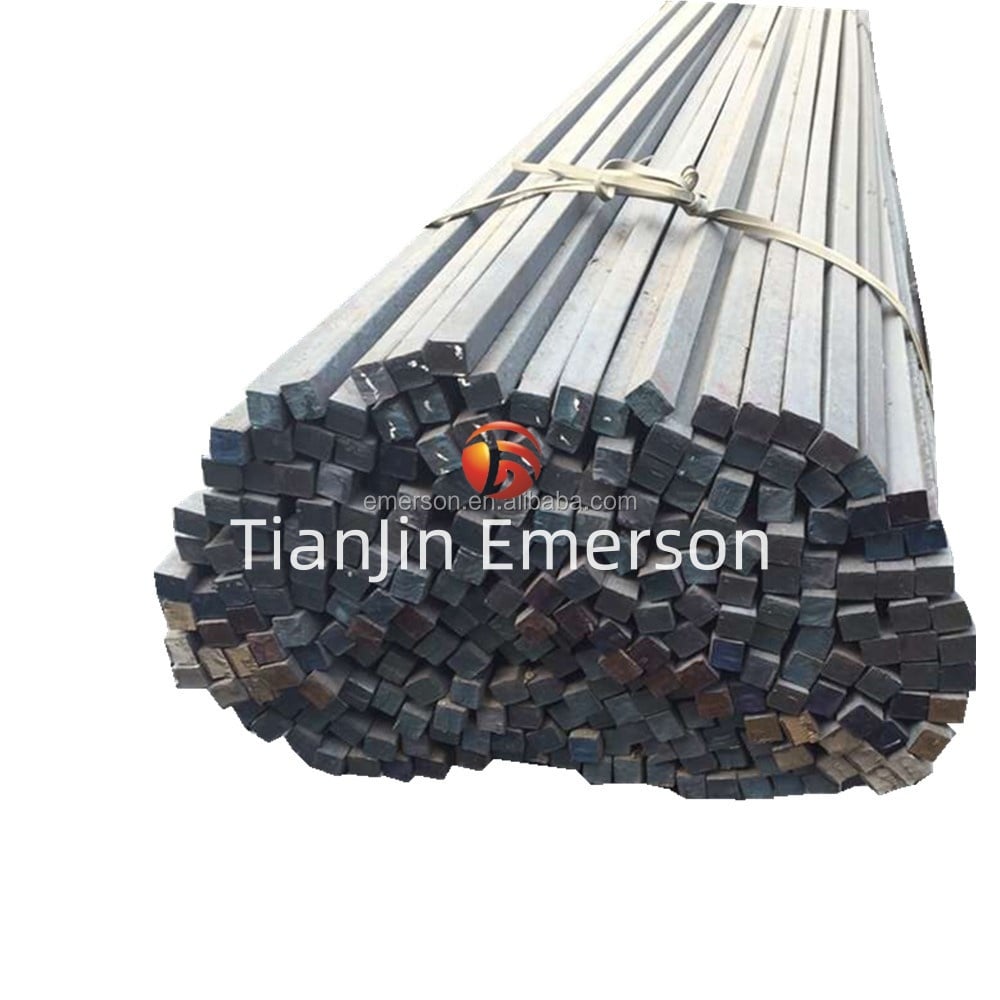
Square steel, also known as square bar steel, is a solid steel product characterized by its square cross-section with equal side lengths. It is a fundamental section steel widely used in construction, machinery manufacturing, and various industrial applications due to its high strength, excellent processing performance, and uniform geometry. The square shape offers exceptional stability and ease of integration into structural designs, making it a preferred choice for frameworks, mechanical components, and decorative elements. Square steel is produced through either hot-rolling or cold-drawing processes, with each method delivering distinct properties suited to different application requirements. The material's regular geometry facilitates cutting, welding, and drilling operations, contributing to its extensive adoption across multiple industries.
Material Classification by Steel Grade and Composition
Square steel is manufactured from a wide range of steel grades, broadly classified into carbon structural steel, low-alloy high-strength steel, alloy steel, and stainless steel. Carbon steel square bars represent the most commonly used category. Among these, Q235 is the most popular grade, widely used in structural, manufacturing, fabrication, and repair applications. It offers an excellent balance of strength, weldability, and cost-effectiveness. Other common carbon steel grades include Q195, Q215, Q345, and 45# steel. For applications requiring greater strength and wear resistance, medium-carbon steels such as 1045 (equivalent to C45) are specified, commonly used for axles, gears, crankshafts, and similar machinery parts. For enhanced machinability, free-cutting grades like 12L14 and 1215 are available.
Low-alloy high-strength steels, such as Q345B, offer superior mechanical properties compared to ordinary carbon steels while maintaining good weldability and formability, making them ideal for heavy-duty structural applications. Alloy steel square bars, including grades such as 20Cr, 40Cr, 15CrMo, 35CrMo, and 42CrMo, provide excellent hardenability, toughness, and fatigue resistance, suitable for demanding mechanical components. European standards offer additional alloy grades including 42CrMo4, 30CrNiMo8, and 51CrV4 for specialized engineering applications.
Stainless steel square bars, available in austenitic grades such as 304 and 304L, provide excellent corrosion resistance for moist or corrosive environments. Grade 304 offers good strength, machinability, and corrosion resistance, commonly used in food processing equipment, chemical processing, and architectural applications. For marine environments, 316L is specified due to its superior resistance to pitting and crevice corrosion. Stainless steel square bars are also available in ferritic, martensitic, duplex, and precipitation-hardening grades, each offering specific property combinations. For high-temperature and corrosion-resistant service, ASTM standards cover chromium, chromium-nickel, and silicon alloy steel bars.
Manufacturing Processes: Hot-Rolled vs. Cold-Drawn Square Steel
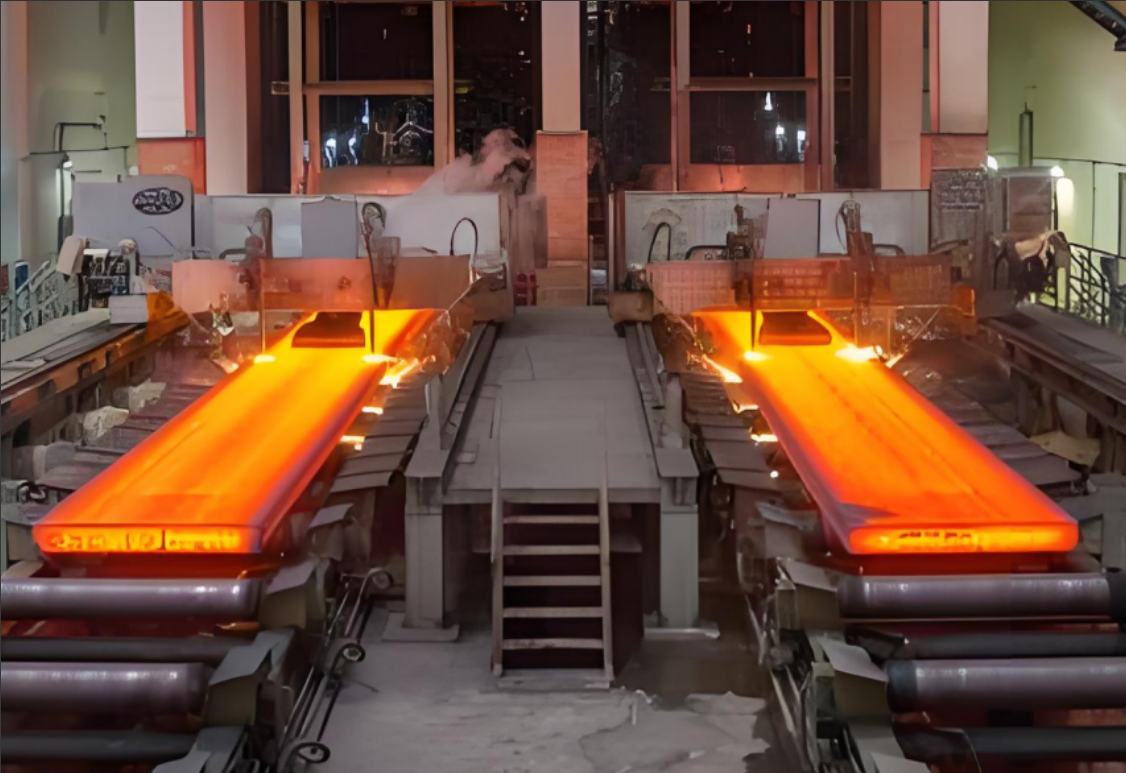
Square steel is produced through two primary manufacturing processes: hot rolling and cold drawing. Hot-rolled square steel is produced by rolling steel at elevated temperatures, typically with side lengths ranging from 5mm to 250mm. This process refines the grain structure, eliminates casting defects, and improves mechanical properties. Hot-rolled square steel exhibits a relatively rough surface with slightly rounded edges, but offers excellent mechanical properties and is generally more cost-effective than cold-drawn alternatives. It is the predominant form for general structural and construction applications. ISO 1035 specifies dimensions for hot-rolled square bars with side lengths ranging from 5.5mm to 300mm.
Cold-drawn square steel is produced by processing hot-rolled steel at room temperature through cold drawing, stretching, and bending. Cold drawing refines the material through a die, producing significantly tighter dimensional tolerances, superior straightness, and a smooth, bright surface finish. Cold-drawn square bars typically range from 3mm to 100mm in side length. The cold working process increases tensile and yield strength through strain hardening while improving surface quality. Cold-drawn square steel is characterized by high precision, excellent surface quality, and enhanced mechanical properties, making it ideal for precision mechanical components. The cold drawing process also allows the production of various high-precision shapes including round, square, flat, and hexagonal steel.
Dimensional Specifications and Standards
Square steel dimensions are governed by various international, national, and industry standards. Hot-rolled square steel is available in side lengths from 5mm to 250mm (or up to 300mm per ISO 1035), while cold-drawn square steel ranges from 3mm to 100mm. Standard lengths for hot-rolled square steel are: for side lengths under 25mm, lengths from 4 to 10 meters; for side lengths exceeding 25mm, lengths from 3 to 9 meters; for high-quality steel, lengths from 2 to 6 meters. Domestic standards include GB/T 700-2006, GB/T 1591-2008, and GB/T 702-1986. Major international standards include ASTM for the American market, DIN for European specifications, and JIS for Japanese applications.
Diverse Applications Across Industries
Square steel finds extensive applications across numerous industrial sectors. In the construction industry, square steel serves as essential material for building frameworks, bridges, and infrastructure projects. It is employed for structural support beams, railings, and braces in buildings of all sizes. In structural applications, square steel provides load-bearing columns and beams, offering necessary support and stability. It is also used for reinforced concrete structures and as reinforcement in concrete construction.
In machinery manufacturing and industrial equipment, square steel is used to produce machine components, tools, and equipment. Its durability and hardness make it suitable for applications subjected to constant mechanical stress and abrasion. Square steel is extensively used in the fabrication of machinery, equipment, and tools across automotive, agriculture, and general engineering sectors. Specific applications include base frames of machine bodies, working elements of agricultural and industrial machinery, and various machine parts. Cold-drawn square steel is used for manufacturing machine tools, gears, bearing seats, guide rails, hydraulic press components, and various shaft-type parts.
In the automotive and transportation industry, square steel is used for vehicle frames, axles, and structural components. Round-cornered square bars are used to manufacture parts for automobiles, trucks, heavy construction equipment, and agricultural equipment. Square steel is also employed in shipbuilding, petrochemical, and energy sectors.
Stainless steel square bars find applications in load-bearing structures, reinforcements, and frame structures where corrosion resistance is critical. They are used in medical equipment, aerospace components, marine environments, and chemical processing. Applications include architectural trim, food and beverage machinery, chemical processing equipment, and cryogenic applications. For marine environments, 316L stainless steel square bars are used in coastal architectural paneling, railings, boat fittings, and chemical containers.
Additional applications span a broad spectrum: square steel is used in ornamental ironwork, gates, fences, railings, and other aesthetic metalwork. It serves in light steel structures such as steel roof trusses and residential frameworks. It is also used in furniture manufacturing, agricultural tools, electrical panel manufacturing, and boiler manufacturing. From heavy construction to precision machinery, from corrosion-resistant marine components to decorative ironwork, square steel's versatility and customizable properties make it an indispensable material across modern industry.