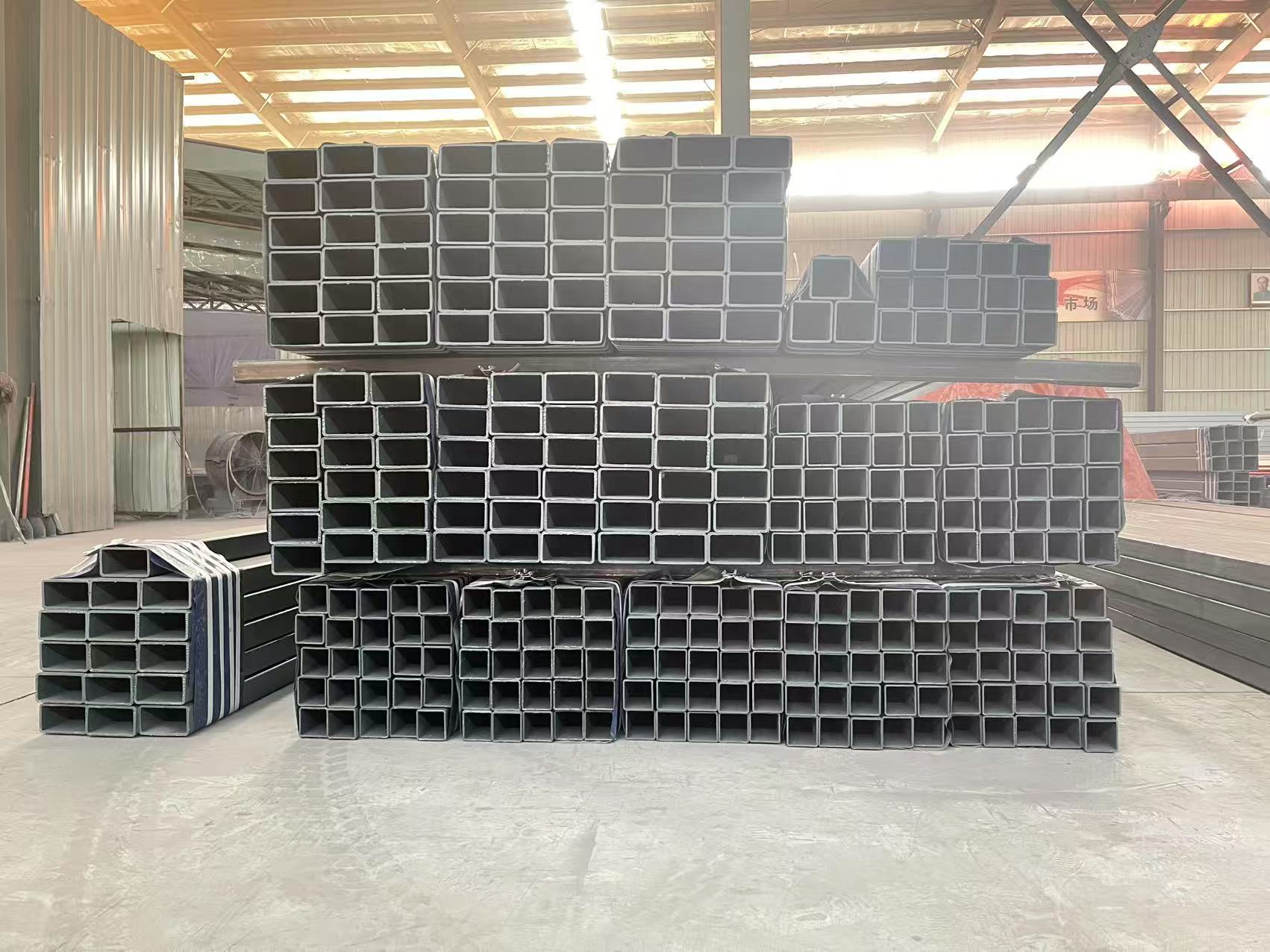
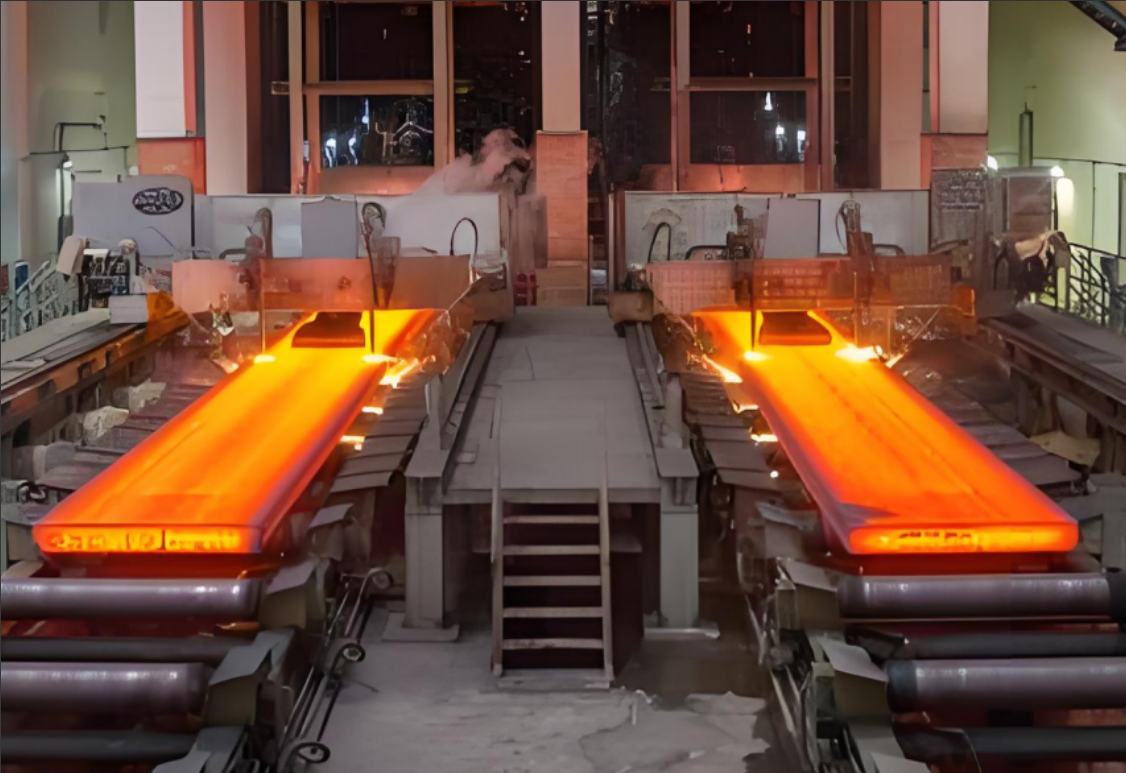
Square steel tubes, also known as Square Hollow Sections (SHS), are among the most versatile structural products in modern metal fabrication. Characterized by their equal-sided, hollow cross-section, these profiles combine high strength-to-weight ratios with clean aesthetics and ease of connection. Their closed section geometry provides exceptional torsional rigidity—significantly superior to open profiles such as I-beams or channels—making them ideal for applications requiring resistance to twisting forces. Additionally, the flat, parallel surfaces simplify welding, bolting, and the mounting of brackets, plates, and other components. This combination of structural efficiency, fabrication convenience, and visual appeal has established square steel tubes as a preferred material across construction, mechanical engineering, transportation, and agricultural sectors.
Standard Dimensions and Size Ranges
Square steel tubes are manufactured in an extensive range of sizes to accommodate diverse structural and mechanical requirements. In metric systems, typical outside dimensions span from as small as 10mm × 10mm up to 500mm × 500mm or even 1,000mm × 1,000mm for jumbo hollow sections. Common size ranges include 20mm × 20mm to 400mm × 400mm, with wall thicknesses generally ranging from 0.5mm to 20mm. For light-duty applications such as furniture or ornamental structures, smaller sections (13mm–50mm) with thinner walls (0.5mm–3mm) are typically specified. Medium sections (50mm–150mm) with wall thicknesses of 3mm–8mm serve as the workhorse for general structural framing, machinery bases, and support columns. Large sections exceeding 150mm, often with wall thicknesses up to 20mm or more, are employed in heavy-load-bearing applications including high-rise building columns, bridge components, and offshore structures.
In imperial units, square tubing is readily available in sizes ranging from 0.375 inches up to 22 inches in width. Common sizes include 1/2″ × 1/2″, 3/4″ × 3/4″, 1″ × 1″, and larger sections up to 12″ × 12″ or more. Wall thicknesses in imperial measurements typically range from 0.049 inches (18 gauge) to 0.500 inches or heavier, depending on the application requirements. Standard lengths are commonly supplied as 6 meters, 12 meters, or 20 feet, 40 feet, and 48 feet, with custom lengths available upon request.
Manufacturing Standards and Material Grades
Square steel tubes are manufactured to rigorous international standards that define dimensional tolerances, mechanical properties, and quality requirements. The most widely used specifications include:
-
ASTM A500: The predominant American standard for cold-formed welded and seamless carbon steel structural tubing. Grade C, with a minimum yield strength of 50 ksi (345 MPa) and tensile strength of 62 ksi (427 MPa), is the most common specification. ASTM A500 covers square shapes up to a maximum total perimeter of 88 inches, equating to a maximum square size of 22 inches × 22 inches.
-
EN 10210 and EN 10219: European standards for hot-finished and cold-formed structural hollow sections, respectively. These specifications cover square hollow sections with outside dimensions up to 800mm × 800mm and wall thicknesses up to 120mm. Common grades include S235JRH, S355J2H, and S355NH.
-
JIS G 3466 and KS D 3568: Japanese and Korean standards for carbon steel square and rectangular tubes for general structural purposes, covering sizes from 15mm × 15mm to 250mm × 250mm with wall thicknesses up to 12.7mm.
-
GB/T 6728: Chinese standard for cold-formed steel hollow sections, covering square tubes from 20mm × 20mm to 600mm × 600mm.
Common material grades across these standards include Q235B, Q345B, S235JR, S355J0H, and ASTM A500 Grades B and C. Surface finishes are available in black (mill scale), pickled and oiled, galvanized, painted, or powder-coated options.
Construction and Infrastructure Applications
In the construction sector, square steel tubes serve as fundamental structural elements in buildings, bridges, and infrastructure projects. They are widely employed as columns, beams, and truss members in steel-framed buildings, where their closed cross-section provides excellent load-bearing capacity and resistance to buckling. The clean, modern appearance of square tubes makes them particularly suitable for architecturally exposed structures, including curtain wall systems, staircases, and handrails. In large-scale projects, jumbo hollow sections up to 1,000mm × 1,000mm are specified for the main pillars of high-rise buildings, sports stadiums, and airport terminals. Square tubes also play a critical role in seismic-resistant design, absorbing and dissipating energy during earthquakes to ensure structural stability. Additional construction applications include scaffolding systems, fence posts, signposts, highway guardrails, and temporary structures.
Mechanical Engineering and Industrial Applications
The flat, parallel faces of square tubing make it exceptionally well-suited for mechanical and industrial applications where precise mounting and alignment are essential. Square tubes are extensively used in the fabrication of machinery frames, equipment bases, and support structures. Their geometric simplicity allows for straightforward welding of frameworks with minimal preparation before making angled joints. In conveyor systems, square tubing provides the structural backbone for supports and guide rails. Industrial shelving, storage racks, and workstations frequently incorporate square tube frames due to their combination of strength, stability, and ease of assembly. The material is also specified for machine guards, safety enclosures, and protective barriers in manufacturing environments.
Transportation and Automotive Applications
In the transportation sector, square steel tubes contribute to vehicle safety and structural integrity. They are commonly used in the construction of roll cages, chassis frames, and roll bars for racing cars, off-road vehicles, and performance automobiles. The predictable bending and welding characteristics of square tubing allow fabricators to create complex structural geometries with consistent quality. In commercial transportation, square tubes serve as structural members in truck and trailer frames, as well as in agricultural equipment such as plows, disk harrows, and plant protection machinery.
Agricultural and Specialty Applications
Agricultural engineering relies on square hollow sections for a variety of equipment and structures. They are used in the fabrication of machinery for soil cultivation, seeding, and crop protection. Roll-over protective structures (ROPS) for tractors and other agricultural vehicles frequently incorporate square tubing to ensure operator safety. Additional applications include greenhouse frameworks, livestock handling equipment, and irrigation system supports.
Fabrication and Processing Considerations
Square steel tubes are highly amenable to a wide range of fabrication processes. They can be cut using sawing, laser cutting, or plasma cutting methods; formed through CNC bending and roll forming; and joined through MIG, TIG, or resistance welding. The flat surfaces simplify the attachment of brackets, plates, and other components. For enhanced corrosion resistance, square tubes can be hot-dip galvanized, powder-coated, or painted. When selecting square tubing for a project, engineers should consider the required load-bearing capacity, environmental exposure, fabrication methods, and cost constraints. The availability of a wide range of standard sizes, wall thicknesses, and material grades ensures that square steel tubes can be optimized for virtually any structural or mechanical application.