Fundamental Processing Differences: Temperature Defines the Material
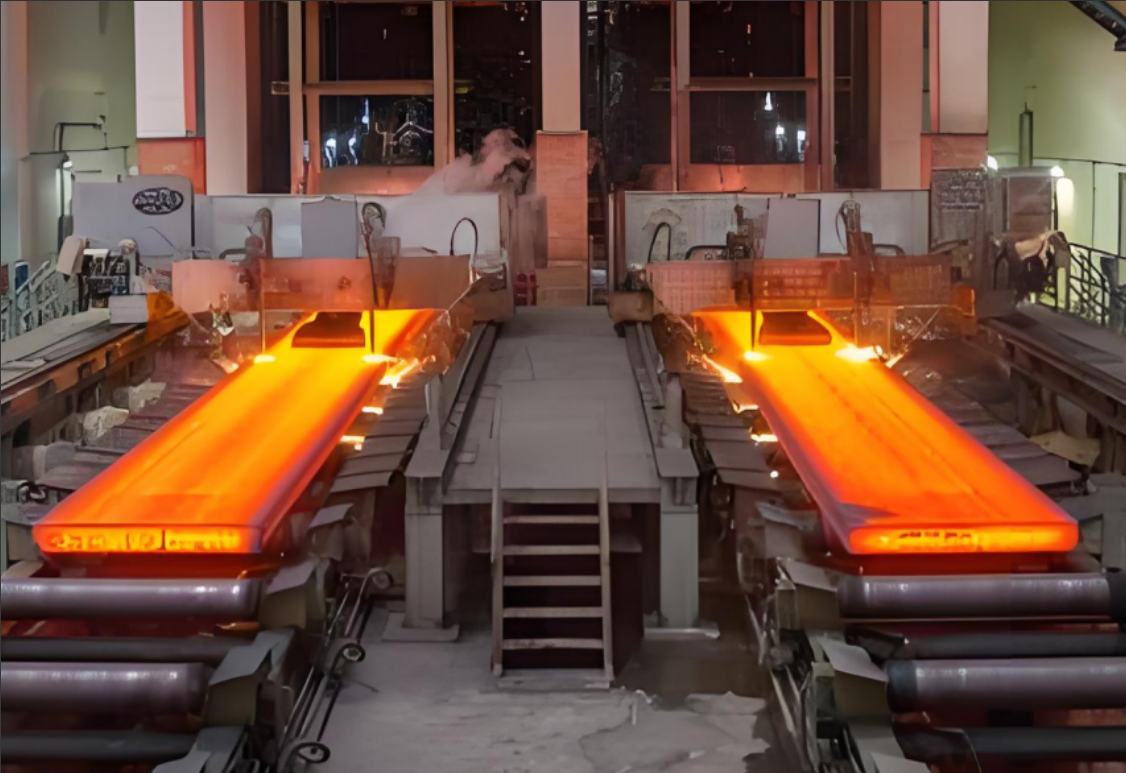
The primary distinction between hot rolled and cold rolled steel plates lies in the temperature at which they are processed. Hot rolled steel is manufactured at extremely high temperatures, typically above 1,700°F (926°C), which exceeds the steel's recrystallization temperature. At this elevated temperature, the steel becomes highly malleable and ductile, allowing it to be easily shaped into large structural sections, plates, and coils. After rolling, the steel cools naturally at room temperature, during which slight shrinkage occurs, resulting in less precise dimensions and a rough, scaled surface caused by oxidation.
Cold rolled steel, by contrast, begins as hot rolled material that has been pickled (chemically cleaned) to remove mill scale and then undergoes additional rolling at or near room temperature. This secondary cold reduction occurs below the recrystallization temperature and fundamentally alters the steel's crystal structure through work hardening. The cold rolling process improves thickness accuracy, surface finish, and mechanical performance through this additional processing step.
Surface Finish and Dimensional Precision: Smooth vs. Scaled
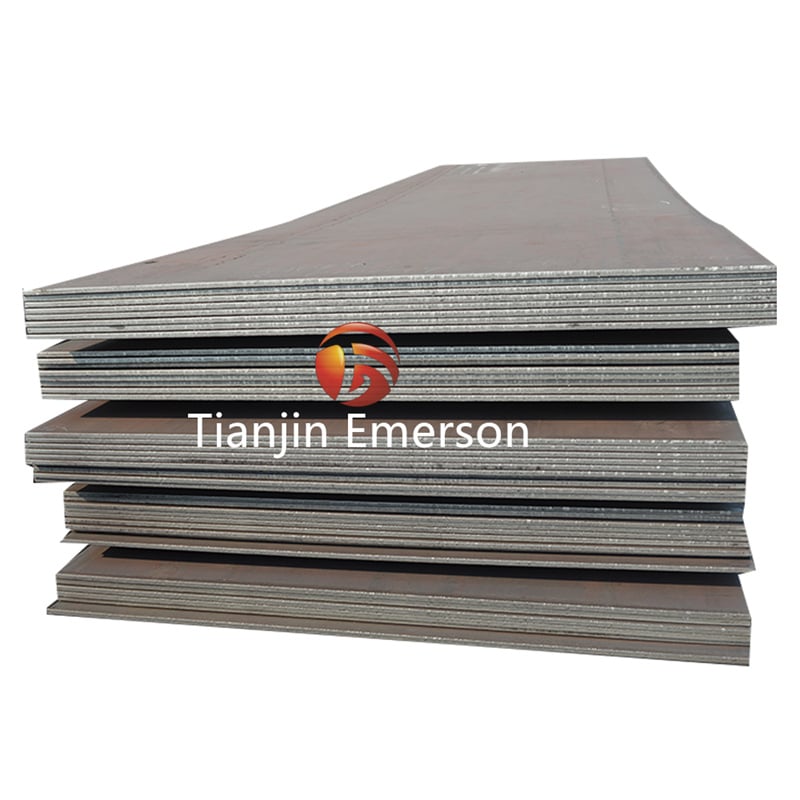
The most visually apparent difference between the two products is their surface quality. Hot rolled steel has a rough, scaly surface due to oxidation during the high-temperature heating process. It also exhibits wider dimensional tolerances and often has rounded edges caused by natural cooling shrinkage. These characteristics make hot rolled steel identifiable by its dry, scaly finish and less precise dimensions.
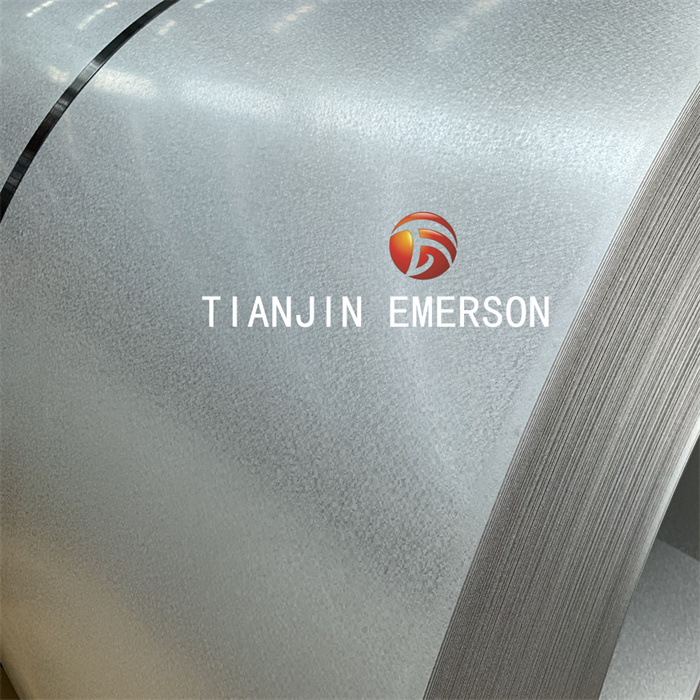
Cold rolled steel, in contrast, features a smooth, polished, and often slightly oily surface. It achieves much tighter dimensional tolerances and superior flatness, with edges that are sharp and clean. The cold rolling process allows precise control of thickness and flatness, ensuring stable dimensions and minimal tolerances. For applications requiring a refined appearance or exacting specifications, cold rolled steel is the clear choice.
Mechanical Properties: Strength vs. Ductility
Cold rolled steel is generally stronger and harder than hot rolled steel due to work hardening during the additional rolling process. This cold working increases yield and tensile strength by approximately 10–20% compared to hot rolled steel of the same chemistry. The increased strength makes cold rolled steel more resistant to deformation and suitable for lighter-gauge designs without sacrificing load capacity.
Hot rolled steel, while not as strong, remains more ductile and tougher, making it easier to form into various shapes. The high-temperature rolling process normalizes the steel, relieving internal stresses and creating a uniform microstructure that enhances toughness and ductility. This makes hot rolled steel particularly suitable for welding applications, as it contains less internal stress and is less brittle.
Applications: Structural vs. Precision
Hot rolled steel is the material of choice for large-scale structural and industrial applications where cost and strength are prioritized over surface appearance and tight tolerances. It is commonly used in building frames and columns, bridge construction, railroad tracks, heavy equipment, machine bases, and large welded components. Its excellent formability and weldability make it ideal for structural steelwork where the rough surface finish is acceptable or will be concealed.
Cold rolled steel is specified for applications requiring precision, superior surface quality, and consistency. It is extensively used in automotive body panels and structural components, home appliance casings, office furniture, electronics enclosures, and precision machinery parts. The material's smooth surface provides an excellent substrate for painting, plating, or powder coating without extensive preparation, making it ideal for visible and consumer-facing products.
Cost Considerations: Economy vs. Value
Hot rolled steel is more affordable than cold rolled steel because it requires fewer processing steps. The reduced tolerances and lower production costs make it the preferred choice for large-scale structural and industrial applications where budget is a primary concern. While cold rolled steel carries a higher initial material cost due to its additional processing steps, this premium is often offset by reduced secondary finishing, lower defect rates, and greater production efficiency in high-volume manufacturing. The choice between hot rolled and cold rolled steel ultimately depends on the specific requirements of each project, balancing priorities of cost, precision, surface quality, strength, and fabrication needs.