Manufacturing Process: Pierced Hollow vs. Formed and Welded
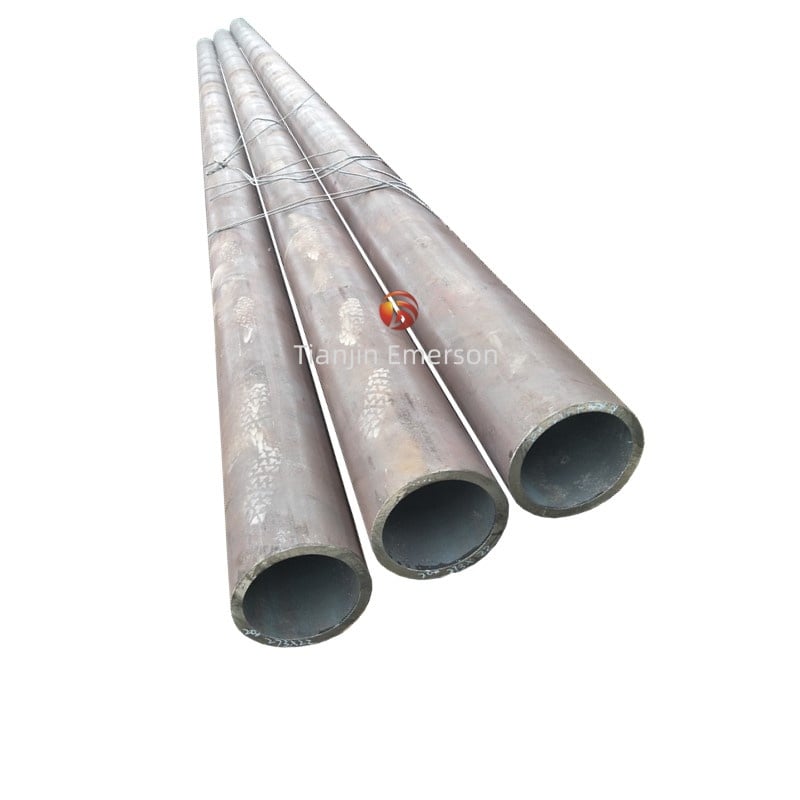
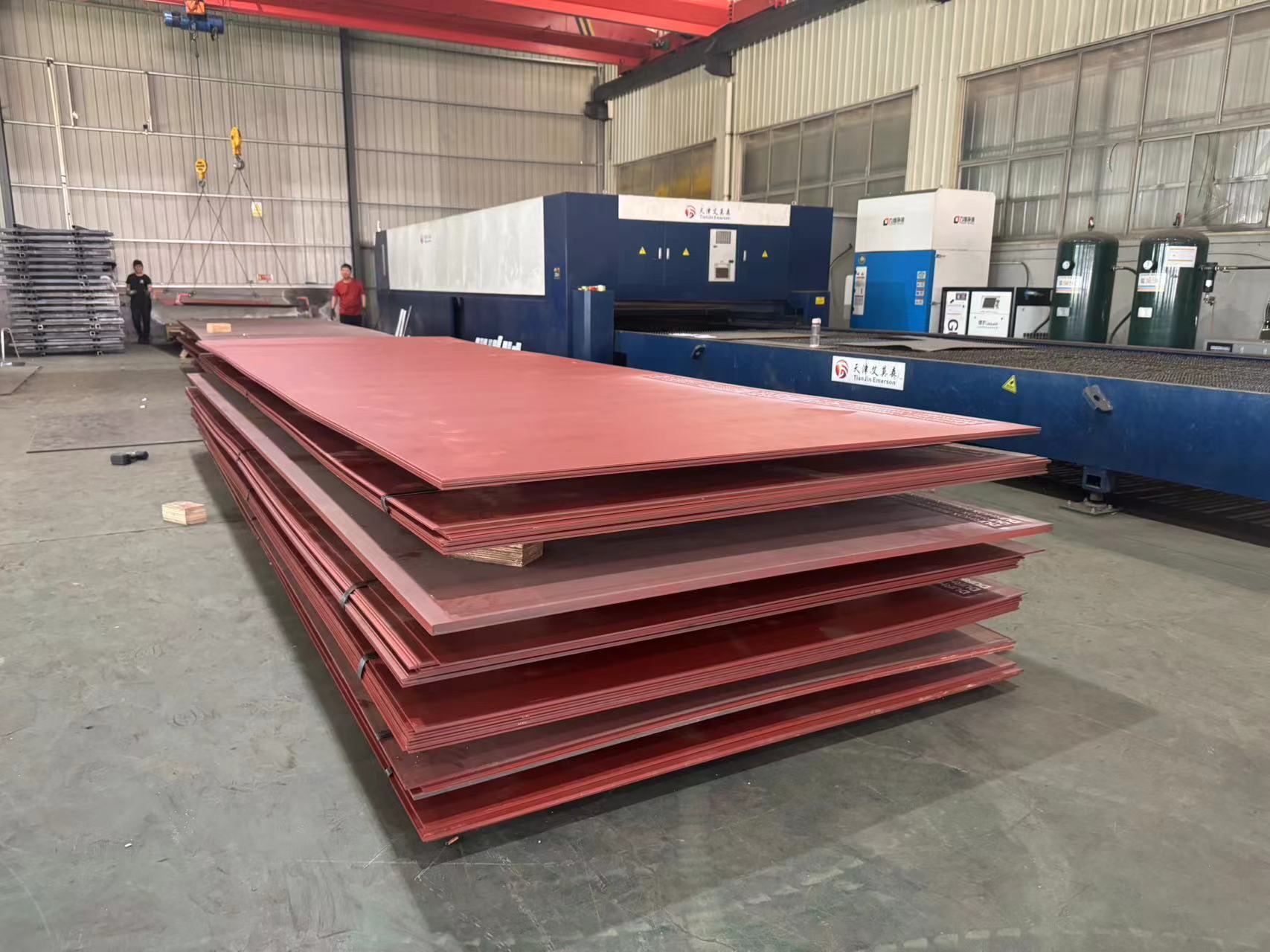
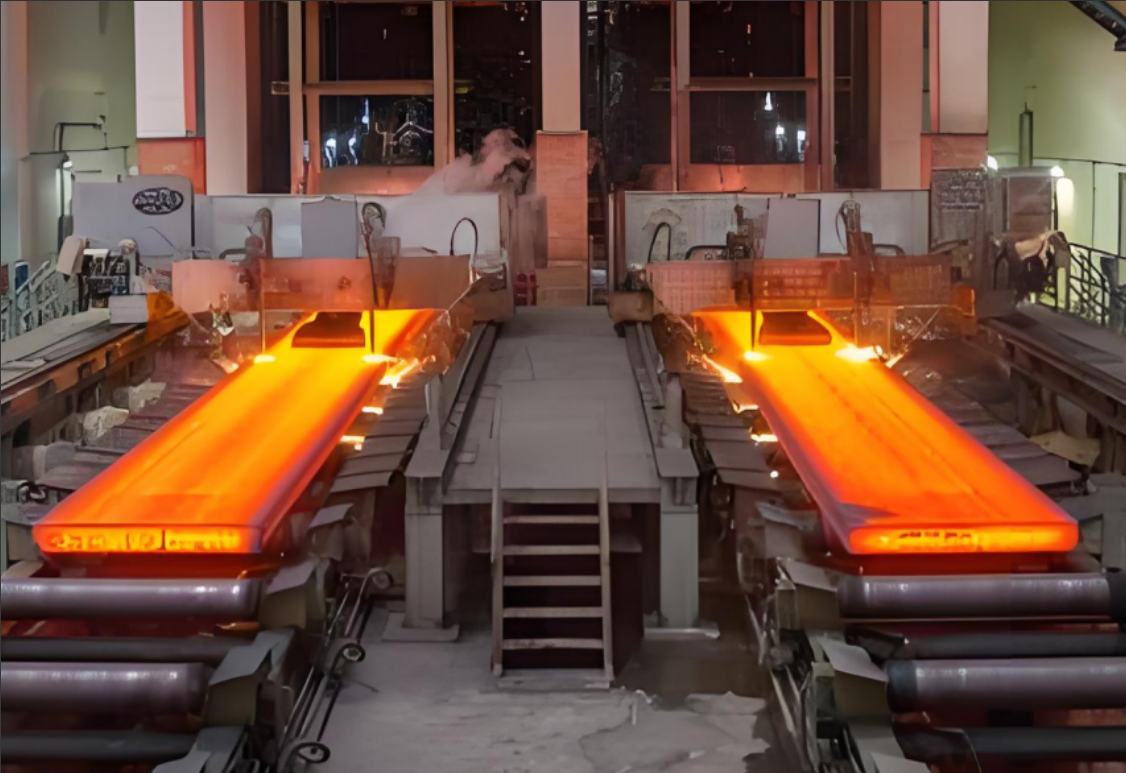
The fundamental difference between seamless and welded steel pipe lies in their production methods. Seamless pipe is manufactured from a solid round steel billet that is heated and then pierced by a mandrel to create a hollow shell, followed by rolling and stretching to achieve the desired diameter and wall thickness—all without any welded seam. This process produces a pipe with uniform microstructure and consistent mechanical properties around the entire circumference. Welded pipe, in contrast, starts as a flat steel coil or plate, which is roll-formed into a cylindrical shape, and the abutting edges are joined using high-frequency electric resistance welding (ERW), laser welding, or submerged arc welding (SAW). The weld seam is then heat-treated and inspected. This fundamental difference results in distinct performance characteristics: seamless pipe offers superior pressure containment and fatigue resistance due to the absence of a potential weld weakness, while welded pipe provides better dimensional consistency, smoother surface finish, and lower cost, especially in large diameters.
Application Fields: High-Pressure vs. Cost-Effective Fluid and Structural Use
Seamless pipe is the preferred choice for critical, high-pressure, and high-temperature applications where weld integrity could be a concern. It dominates the oil and gas industry for downhole casing, tubing, and offshore risers (API 5L, ASTM A106), as well as in power generation for boiler tubes and superheater headers (ASTM A335). It is also essential for hydraulic systems, chemical reactors, and nuclear plant piping. Welded pipe, however, is used in the vast majority of fluid transmission and structural applications where pressures are moderate. ERW pipe (ASTM A53, API 5L) is standard for natural gas distribution, water supply lines, fire protection systems, and HVAC piping. Large-diameter longitudinally welded (LSAW) or spiral welded (SSAW) pipe is used for long-distance oil and gas transmission, water intakes, and piling. In construction, welded hollow structural sections (HSS) (ASTM A500) serve as columns, trusses, and space frames due to their excellent strength-to-weight ratio and clean appearance.
Cost, Availability, and Selection Guidelines
From an economic perspective, welded pipe is generally 20–30% less expensive than seamless pipe for equivalent dimensions because of its continuous, high-volume production from coils. It is also available in a wider range of diameters (up to 80 inches or more) and wall thicknesses, while seamless pipe is typically limited to diameters under 26 inches due to piercing mill constraints. However, seamless pipe offers superior reliability in sour service (H₂S environments) and cyclic loading, where weldments could be initiation sites for cracking. When selecting between them, engineers should consider: required pressure rating (seamless for >10 MPa or high fatigue), diameter (welded for >24 inches), cost sensitivity (welded for general service), and code requirements (e.g., ASME B31.3 often allows both but may require higher inspection for welded). For most building, water, and low-pressure applications, welded pipe is the economical and technically sound choice. For high-stress, high-temperature, or corrosive environments, seamless pipe provides the necessary safety margin.