Critical Production Precautions for High-Quality Galvanized Coils
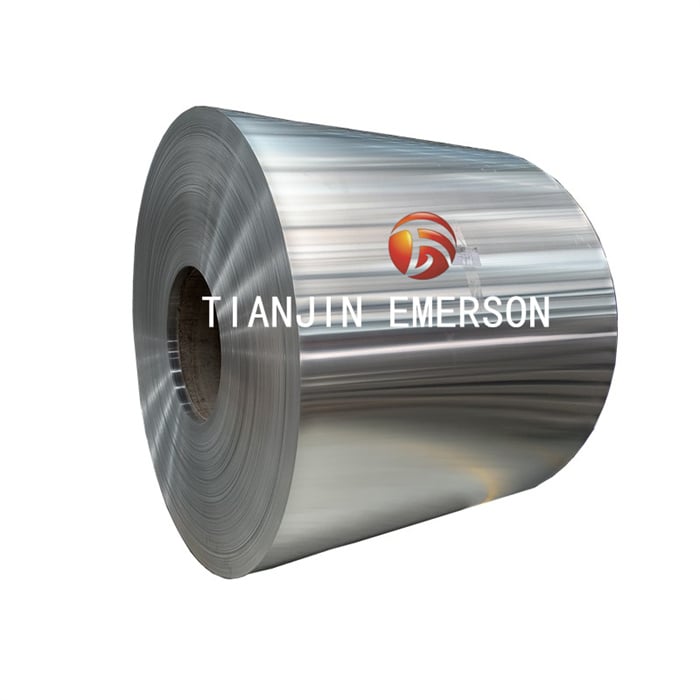
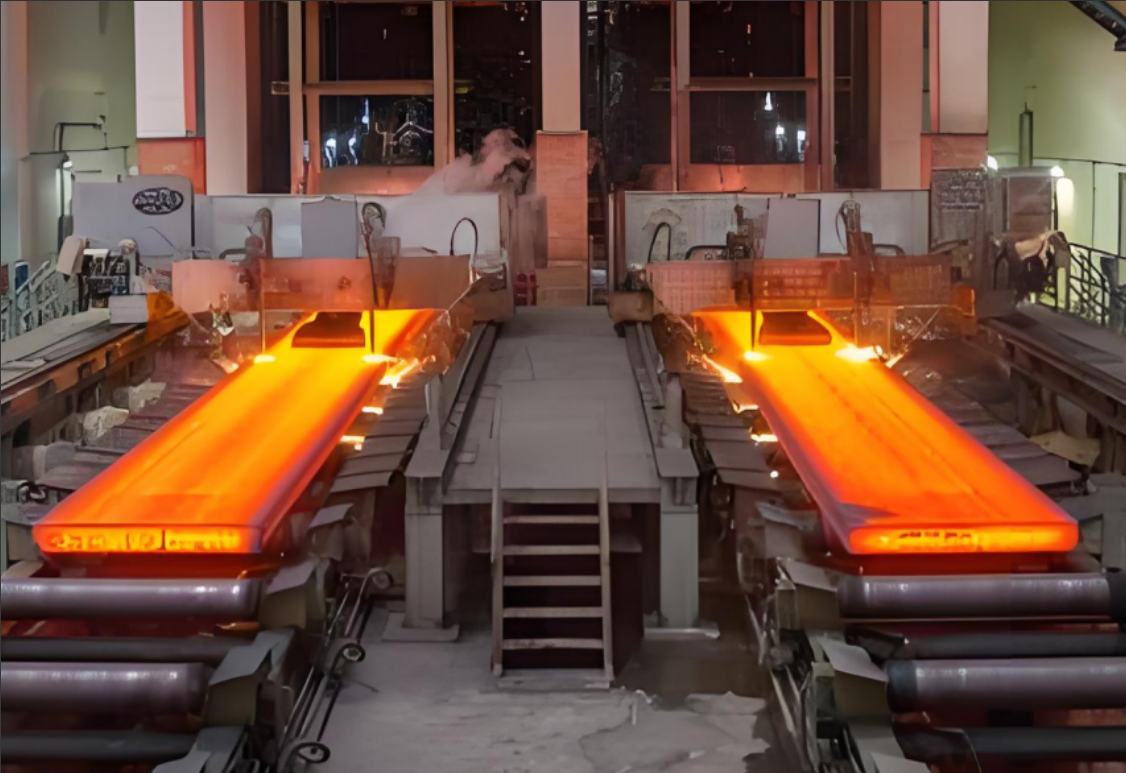
Manufacturing galvanized steel coils for building applications requires strict control of the hot-dip galvanizing process to ensure uniform zinc coating, consistent thickness, and strong adhesion. First, the base steel coil (cold-rolled or hot-rolled pickled) must undergo thorough surface cleaning—degreasing, rinsing, and pickling—to remove all oil, dirt, and mill scale. Any residual contamination will cause bare spots or poor bonding, leading to premature corrosion. Second, the zinc bath temperature must be maintained between 440°C and 460°C; deviations cause uneven coating or excessive dross formation. Third, the strip speed through the bath and the air knife pressure must be precisely regulated to achieve the target coating weight (e.g., Z100 to Z275 g/m²). Fourth, after galvanizing, the coil should be cooled gradually to prevent micro-cracking or spalling. Finally, a passivation or oil coating may be applied to prevent “white rust” during storage and transport. Coil edges must be carefully trimmed to avoid burrs that can damage downstream roll forming tools.
Essential Building Applications of Galvanized Coils
Galvanized steel coils are a cornerstone of modern construction due to their corrosion resistance, formability, and cost effectiveness. In roofing and wall cladding, they are roll-formed into corrugated sheets, standing seam panels, and insulated sandwich panels for industrial warehouses, agricultural sheds, and commercial buildings. The zinc coating provides 20–50 years of maintenance-free service, even in humid or mildly industrial environments. For structural applications, galvanized coils are slit and roll-formed into C- and U-shaped studs, tracks, and joists used in light-gauge steel framing (LGSF) for load-bearing and non-load-bearing walls, floor systems, and roof trusses. LGSF offers faster erection, precise dimensions, and termite resistance compared to wood framing. Additionally, galvanized coils are formed into purlins, girts, and eave struts for pre-engineered steel buildings. Other building uses include gutters, downspouts, flashing, ventilation ducts, cable trays, and metal lath for stucco or plaster. The material’s ability to be painted or left as-is (spangled finish) meets both functional and aesthetic requirements.
Quality Control and Storage Precautions for Galvanized Coils
To preserve the integrity of galvanized coils before fabrication, strict handling and storage protocols are essential. Coils should be stored indoors on dry, wooden or rubber pallets, elevated off concrete floors to prevent moisture wicking. Relative humidity should stay below 60% to avoid condensation between coil wraps, which can cause “white rust” (zinc hydroxide). When outdoor storage is unavoidable, coils must be covered with waterproof tarpaulins and sloped to allow drainage, but they should never be fully sealed—ventilation is required to prevent trapped moisture. During transport, coils must be banded with edge protectors, and lifted using vacuum or padded clamps; wire ropes or unprotected chains will damage the zinc coating. Before roll forming or shearing, inspect for edge damage or rust; any compromised sections should be cut off. For welded assemblies (e.g., trusses), remove the zinc coating at weld points with a grinder to prevent porosity and harmful fumes, then apply zinc-rich touch-up paint after welding. By following these precautions, galvanized coils deliver reliable, long-lasting performance in building envelopes and structural systems.