Material Definition and Core Characteristics
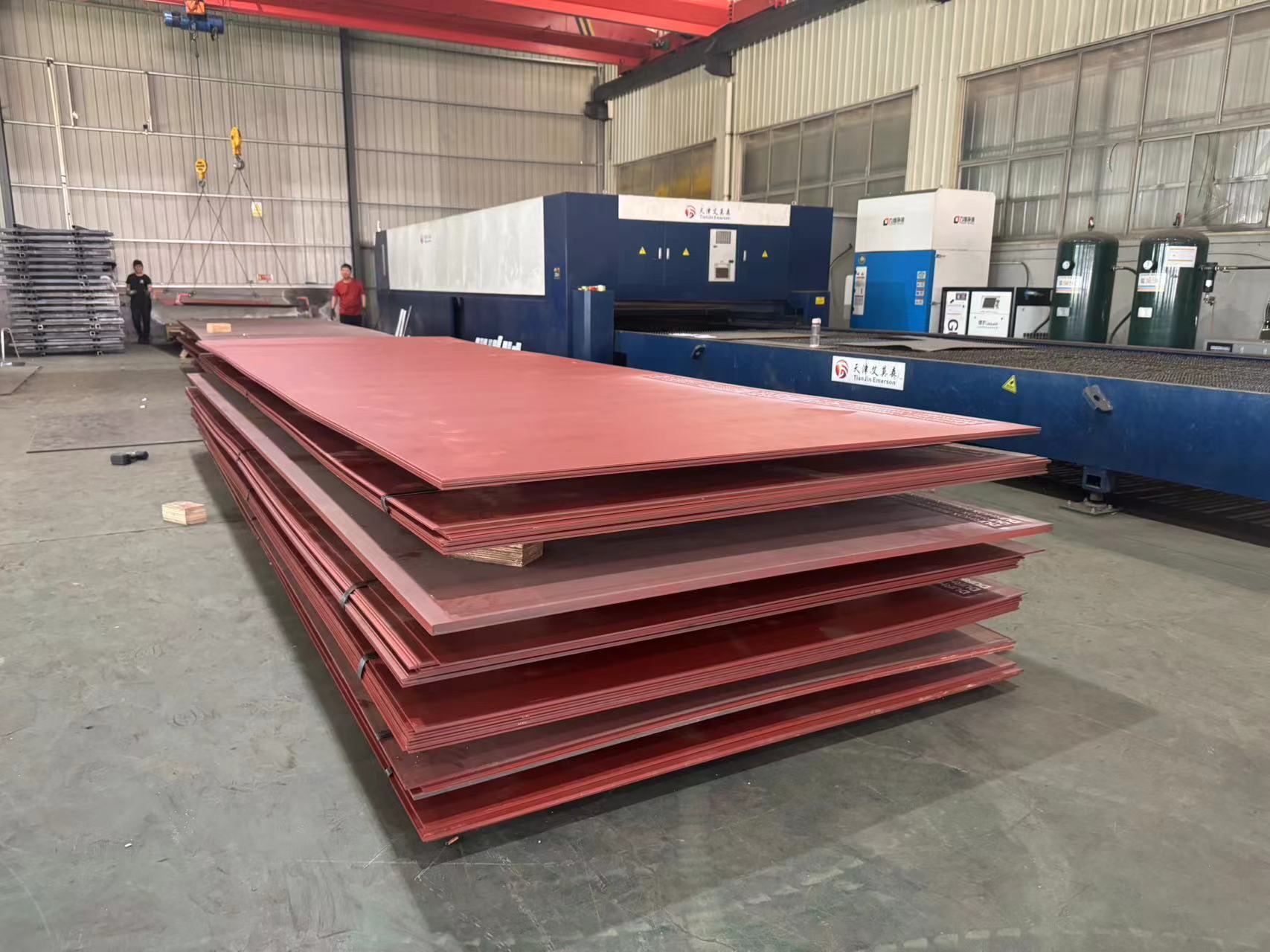
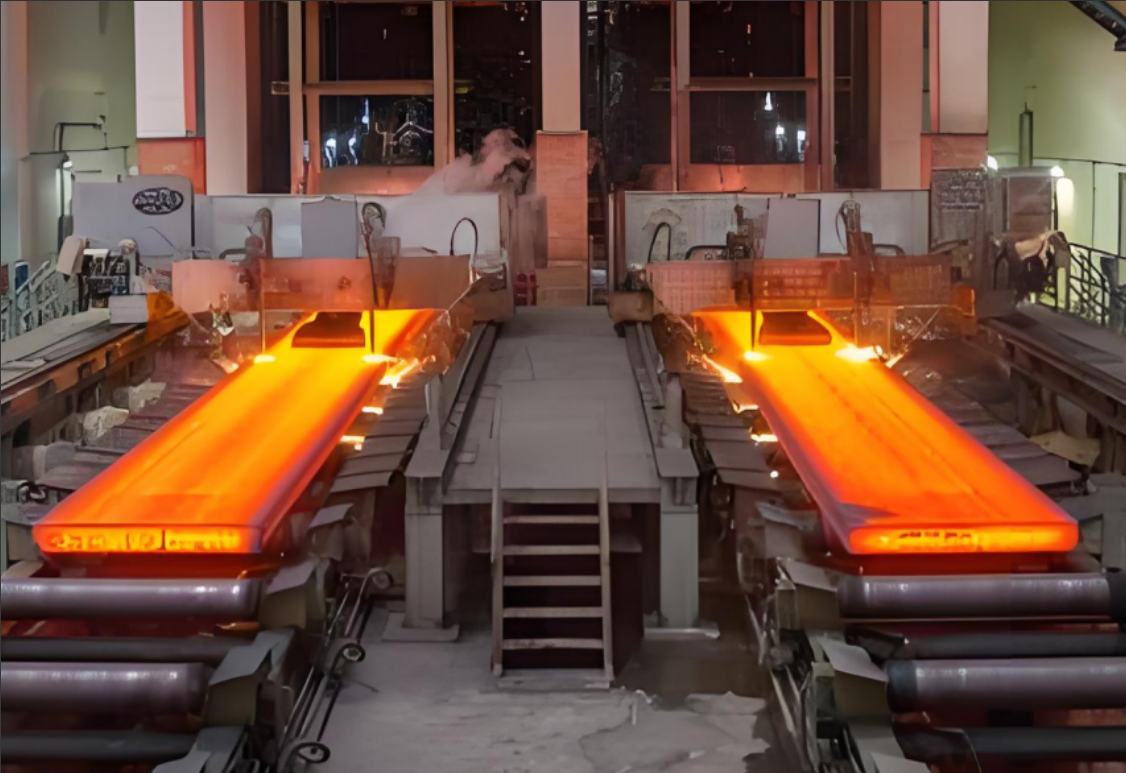
NM500 is a high-strength abrasion-resistant steel plate manufactured under the Chinese national standard GB/T 24186, with the designation “NM” standing for “Nai Mo” (wear-resistant) and “500” indicating a nominal Brinell hardness of 500 HBW. This premium grade is produced through a quenching and tempering (Q&T) heat treatment process, which develops a fully martensitic microstructure that delivers exceptional hardness while maintaining adequate toughness for dynamic loading conditions. The typical hardness range of NM500 spans from approximately 470 to 540 HBW, with tensile strengths exceeding 1,500 MPa and yield strengths around 1,200 MPa, making it more than three times stronger than ordinary low-alloy steel plates.
Chemical Composition and Mechanical Properties
The superior performance of NM500 derives from its carefully balanced alloy composition. Maximum element limits include carbon at 0.38%, silicon at 0.70%, manganese at 1.70%, chromium at 1.20%, and nickel at 1.00%, with controlled additions of molybdenum, boron, and trace elements to enhance hardenability and wear resistance. Key mechanical properties include Brinell hardness ranging from 480 to 525 HBW, tensile strength of at least 1,500 MPa, elongation of approximately 8–10%, and impact toughness of ≥24 J at -20°C, ensuring reliable performance even in cold environments. This combination of extreme hardness and moderate toughness enables NM500 to withstand severe abrasive wear while resisting brittle fracture under impact loads.
Cutting and Fabrication Methods
Processing NM500 requires specialized techniques due to its high hardness and alloy content. For profile cutting, laser cutting provides the highest precision with the smallest heat-affected zone (HAZ), preserving the plate’s hardness at the cut edge. Plasma cutting is also suitable, particularly underwater plasma methods that further limit heat spread. Oxy-fuel cutting is possible for thicker plates but requires preheating to 100–150°C when thickness exceeds 30mm to prevent edge cracking. Post-cut cooling must be gradual; quenching hot-cut edges with water is prohibited as it can create localized brittle spots. For CNC bending and forming, a minimum internal bending radius of 5× to 8× material thickness is required depending on plate thickness, with bending performed perpendicular to the rolling direction to minimize crack risk. High springback must be compensated through careful over-bending calculations.
Welding Requirements and Best Practices
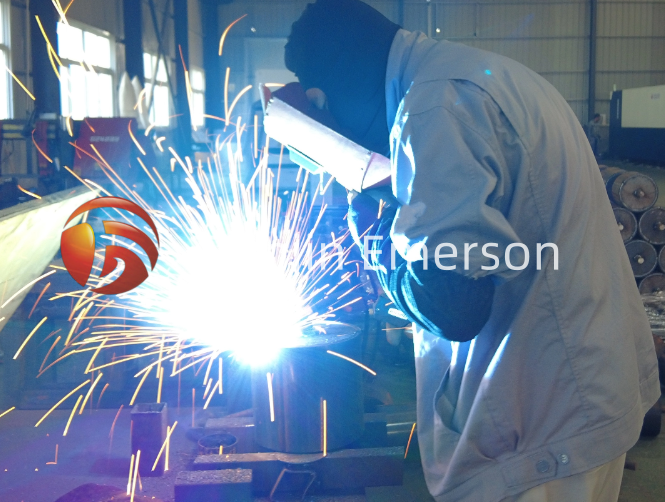
Welding is the most sensitive operation when working with NM500 due to its susceptibility to hydrogen-induced cold cracking. Low-hydrogen welding consumables are mandatory, and preheating is essential: plates 15–30mm thick require preheat to 100°C, while plates over 30mm require preheat to 150°C. Interpass temperatures must be kept below 200°C to prevent overtempering and hardness loss in the bulk material. The welding environment must be dry and protected from wind, as moisture introduces hydrogen that can cause delayed cracking. For drilling, standard HSS drills are inadequate; cobalt-alloyed carbide drills with high feed pressure and ample cooling fluid are required to prevent work hardening of the hole. A “soft” filler metal lower in strength than the base NM500 is often preferred for root passes to allow strain distribution, followed by harder capping runs where weld zone wear is a concern.
Industrial Applications
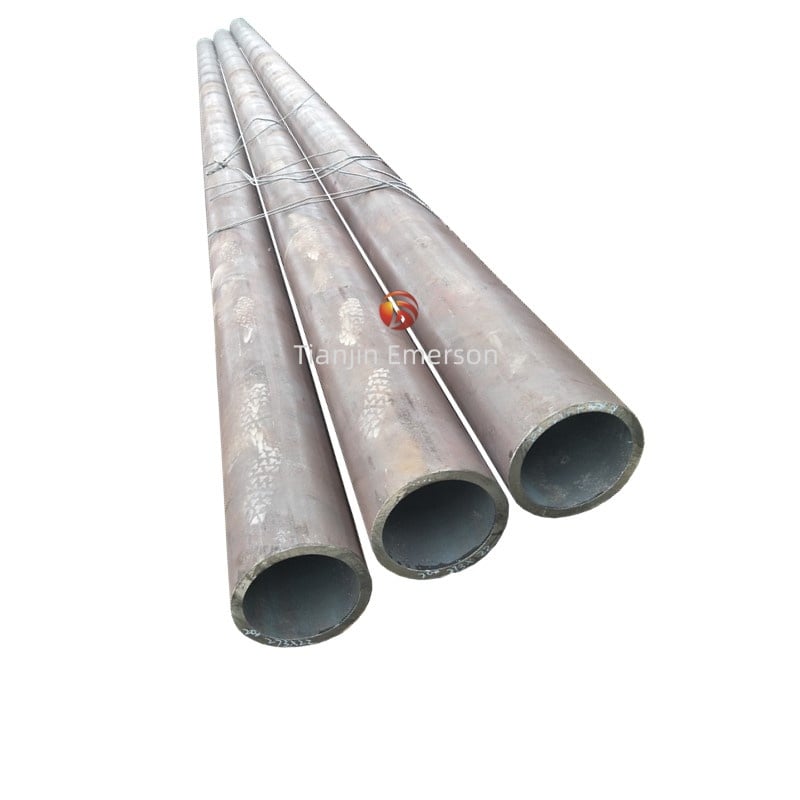
NM500’s exceptional wear resistance makes it indispensable across heavy industries where equipment is subjected to severe abrasive wear. In mining and quarrying, it is used for excavator buckets, shovel blades, dump truck bodies, crusher liners, chutes, hoppers, and conveyor systems. The cement industry employs NM500 for separator guide vanes, clinker storage discharge cones, sintering ore chutes, and grinding mill outlet ducts. Power generation facilities use it for coal handling chutes, feeder liners, and crusher screen plates. Dredging operations rely on NM500 for dredging pipes, pumps, and suction pipelines. Additional applications include bulldozer blades, material handling containers, industrial mixers, and wear parts for concrete mixing plants, steel mills, and recycling equipment. Compared to ordinary structural steel, NM500 can extend wear life by 2–3 times, significantly reducing equipment downtime and maintenance costs.