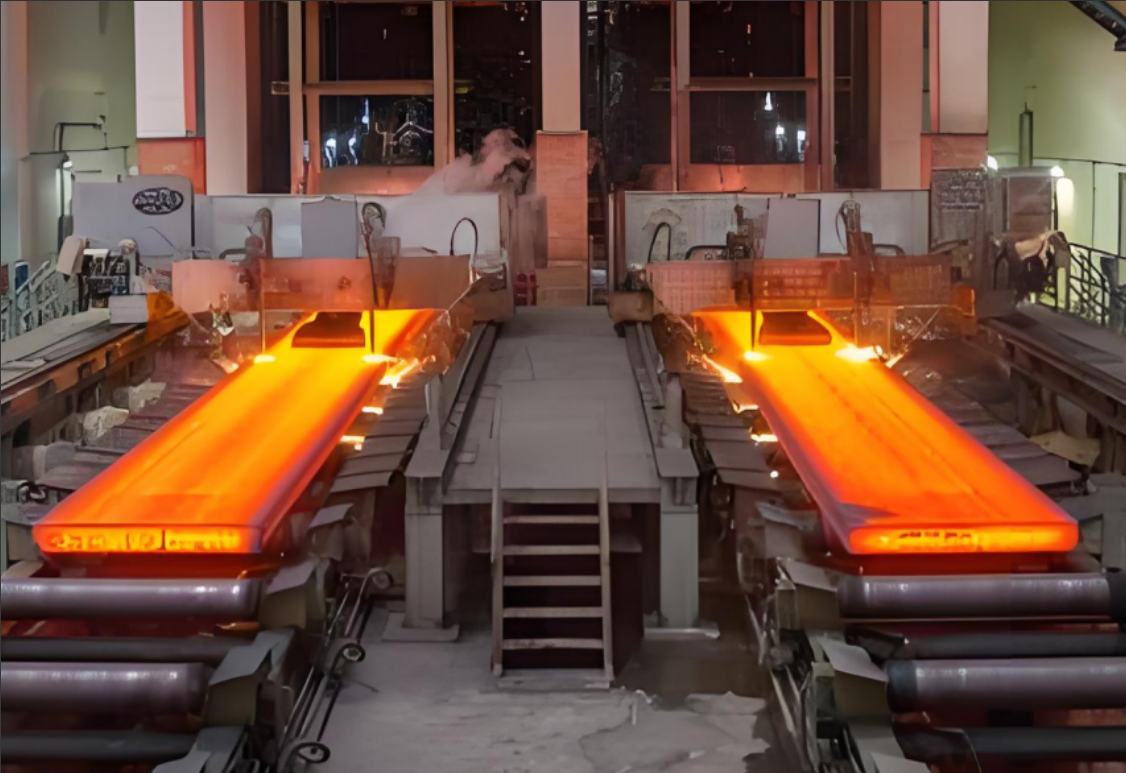
Annealing: Softening for Improved Machinability
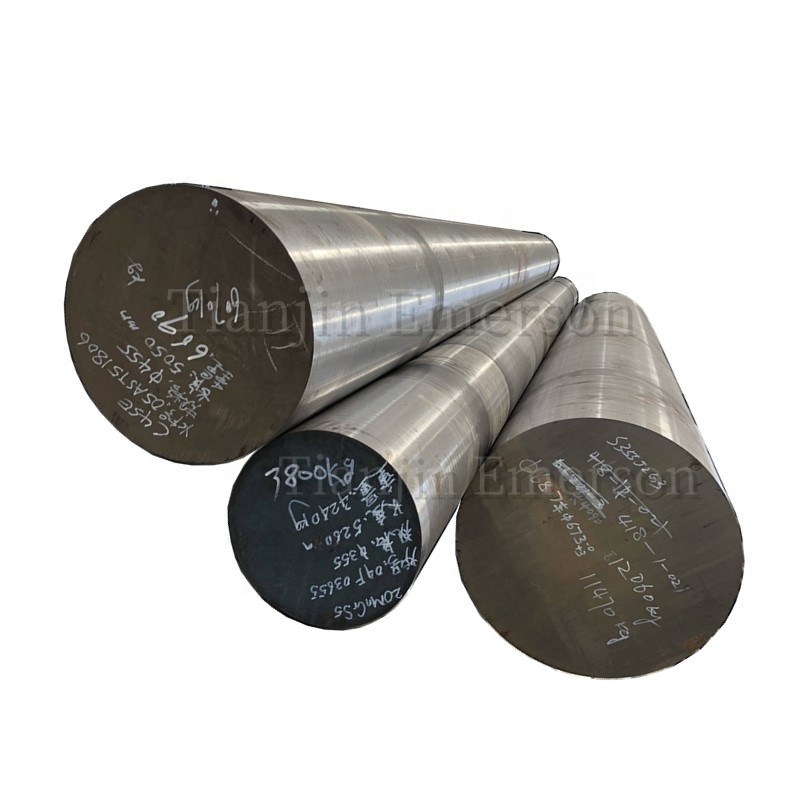
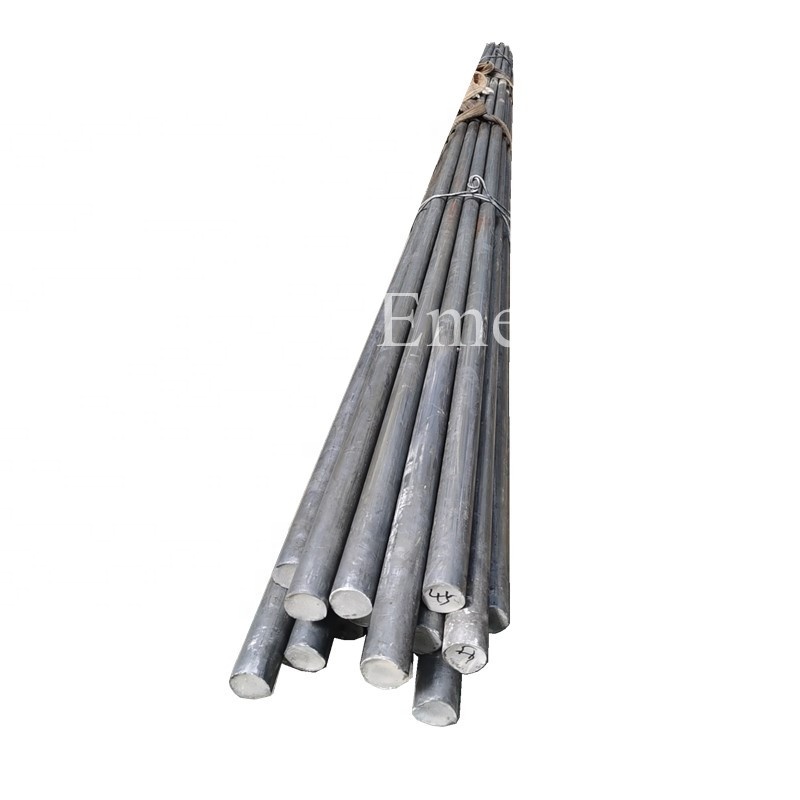
Annealing is a heat treatment process designed to soften round bars, relieve internal stresses, and refine the grain structure, thereby improving their machinability and formability. The round bar is heated to a specific temperature (typically 800–900°C for carbon steel), held for a sufficient duration to achieve complete austenitization, and then slowly cooled in the furnace. This slow cooling results in a coarse pearlitic or ferritic-pearlitic microstructure, thereby reducing hardness and improving ductility. Annealed round bars are easier to cut, drill, and form, making them ideal for complex machining or cold forming operations where excessive hardness would cause tool wear or material cracking. This treatment is also used to eliminate the effects of prior cold working and to homogenize the material’s microstructure in preparation for subsequent heat treatment.
Normalizing: Refining Grain Structure for Uniform Properties
The normalizing process involves heating round bars to a temperature above the upper critical point (typically 850–950°C), holding them at that temperature for a sufficient period, and then cooling them in still air. This process produces a uniform, fine-grained pearlitic microstructure, which offers a better balance of strength and toughness compared to the as-rolled condition. Normalizing eliminates coarse grain structures and internal stresses that may arise during forging or rolling, thereby improving impact toughness and ensuring more uniform mechanical properties throughout the entire cross-section of the round bar. Normalized round bars are typically used for structural components, gears, and shaft parts that require moderate strength and good machinability. For many carbon and low-alloy steels, normalizing serves as the final heat treatment process, meeting specified mechanical property requirements without the need for quenching and tempering.
Quenching: Achieving Maximum Hardness
Quenching refers to the rapid cooling of round bars from the austenitizing temperature to transform their microstructure into hard martensite. Depending on the steel grade, the round bars are heated to 800–950°C and then rapidly cooled in a quenching medium such as water, oil, or a polymer solution. Water quenching provides the fastest cooling rate and yields the highest hardness, but it increases the risk of deformation and cracking, particularly for round bars with complex cross-sections.
Tempering: Balancing Hardness and Toughness
Tempering is an essential process following quenching, designed to reduce brittleness, relieve internal stresses, and achieve the desired combination of hardness and toughness. The quenched round bar is reheated to a temperature between 150°C and 650°C, held for a certain period, and then cooled in still air. Low-temperature tempering (150–300°C) slightly reduces hardness while maintaining high wear resistance, forming a tempered martensitic microstructure, making it ideal for cutting tools and dies. Medium-temperature tempering (350–500°C) achieves a balance of strength, toughness, and elasticity, suitable for springs and heavy-duty shafts. High-temperature tempering (500–650°C) produces a sorbite microstructure with high toughness and ductility, combined with good yield strength and tensile strength, making it an ideal choice for crankshafts, connecting rods, and structural components subjected to impact loads. This quenched and tempered (Q&T) condition is the most common heat treatment process for alloy steel round bars requiring enhanced mechanical properties.