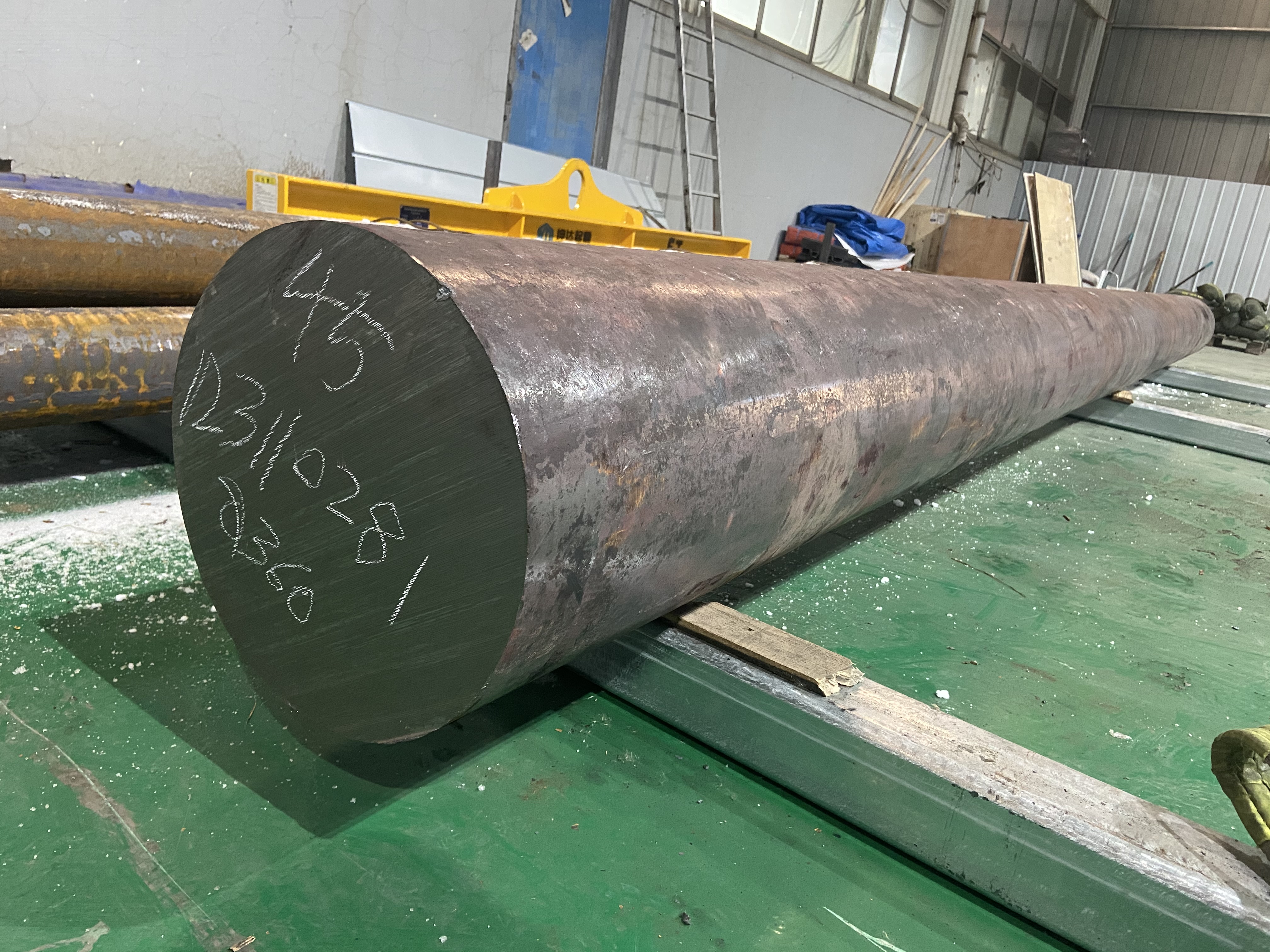
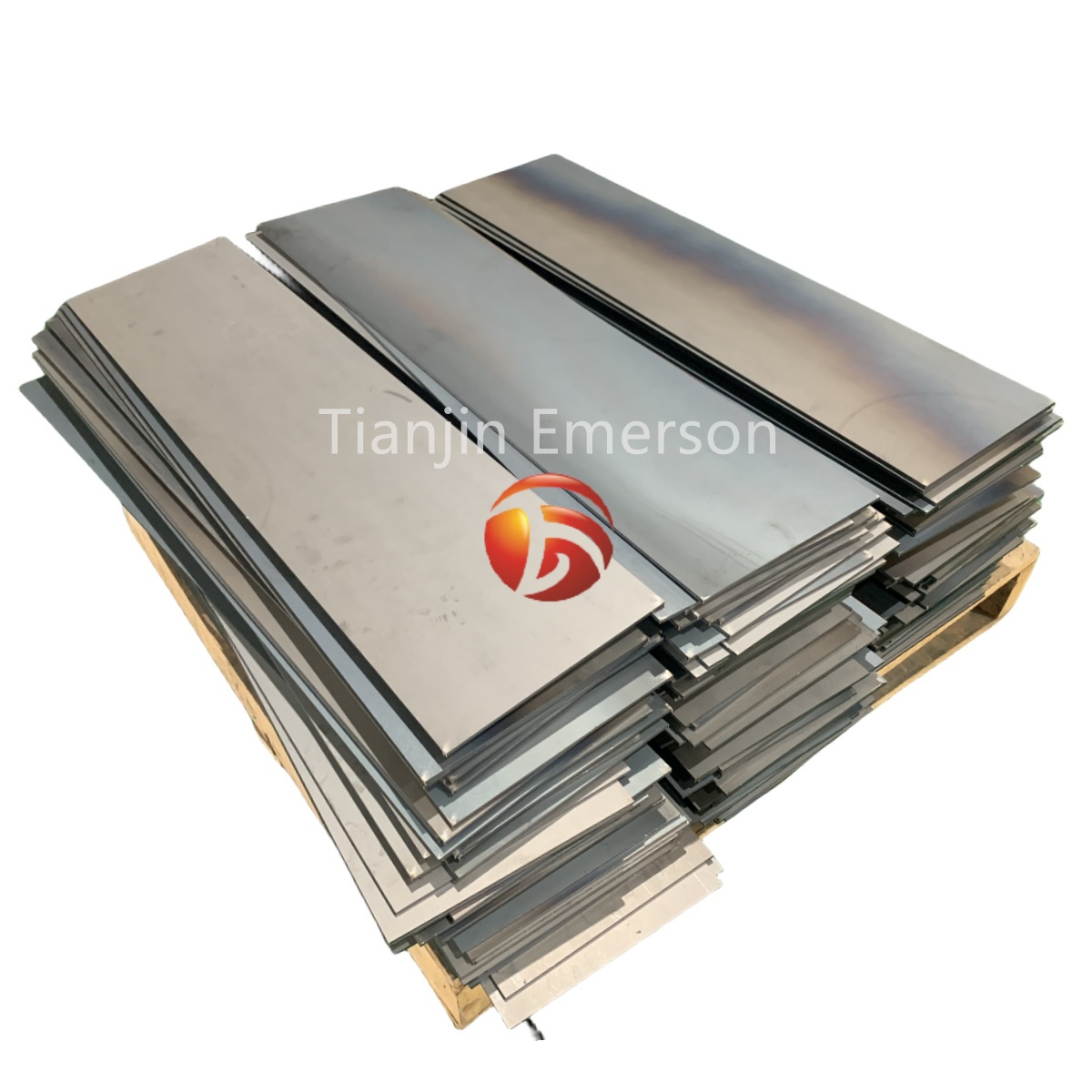
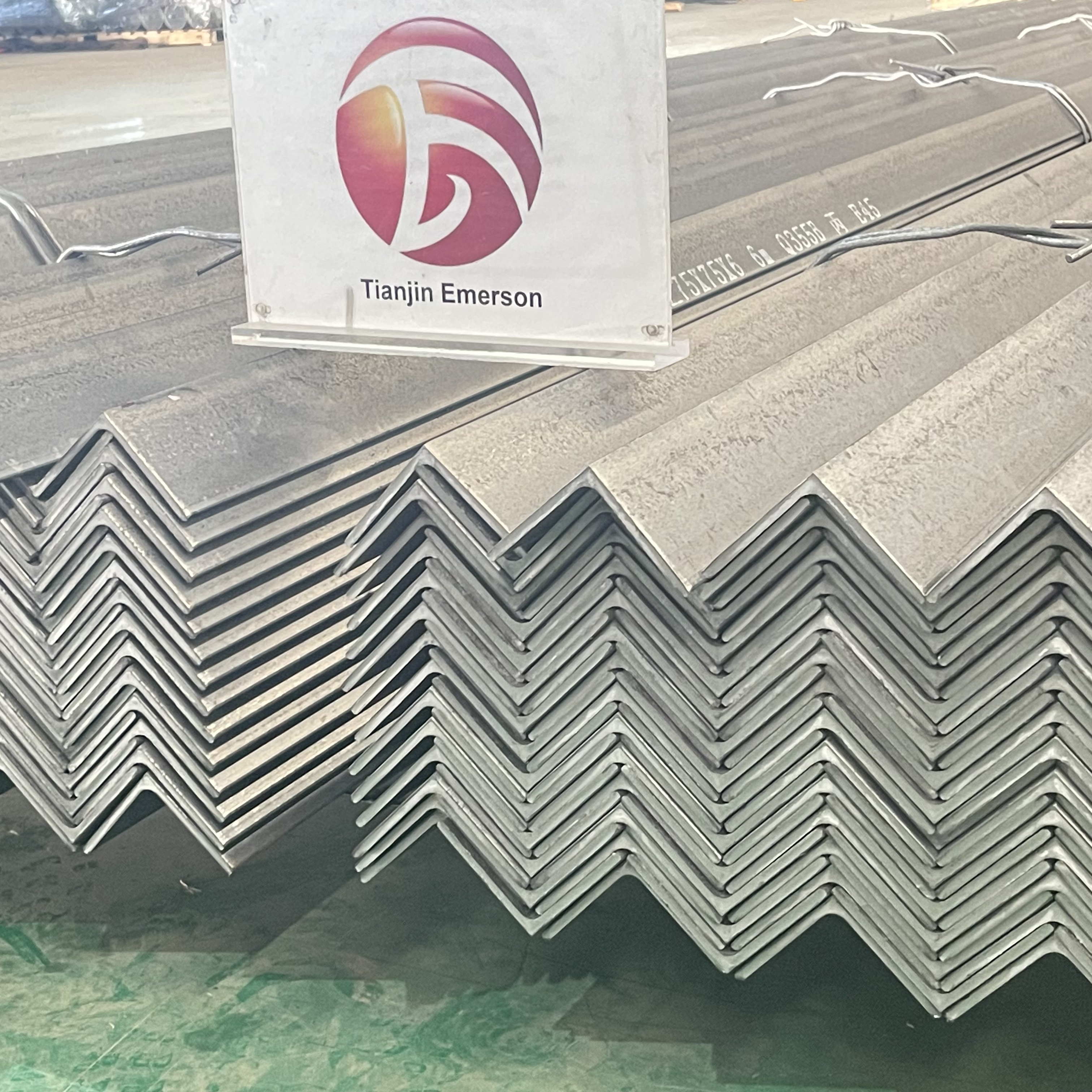
Round bars, as fundamental cylindrical metal billets, serve as the core raw material for numerous machined components, structural elements, and custom parts, finding extensive applications across diverse industries. Material selection and processing techniques represent critical engineering decisions that directly determine the final product's performance, durability, and cost-effectiveness. We provide comprehensive material selection guidance covering the full spectrum from economical low-carbon steels to high-strength alloy steels—such as 4140 or 4340 steel. These materials deliver exceptional toughness and fatigue resistance, meeting the stringent demands of critical components in automotive, aerospace, and oilfield applications. For corrosion resistance, we process various stainless steel round bars: Type 303 is ideal for pipe fittings due to its excellent machinability, Type 304 meets general requirements, while Type 316 is specifically engineered for harsh chemical or marine environments. Additionally, we process aluminum round bars (such as 6061-T6) for lightweight structural components, and brass or copper materials for electrical and thermal management parts. Each material possesses unique mechanical properties, machinability ratings, and post-processing requirements. These factors are precisely incorporated into manufacturing planning to ensure optimal machining outcomes.
We also offer custom processing for round bars. The manufacturing of functional components requires the coordinated application of a series of advanced fabrication techniques. During the initial dimensional control and pre-processing stage, we employ high-speed precision sawing or advanced laser cutting technology to produce high-accuracy blanks. The core of round bar machining lies in precision mechanical processing performed by CNC lathes and milling centers. Our CNC turning capabilities execute precision operations including end-face machining, turning, grooving, internal/external threading, and drilling. This produces precision shafts, rollers, spindles, and fasteners with tolerances controlled within ±0.01 millimeters. For components requiring complex eccentric features, multi-axis CNC milling machines perform milling, slotting, and contour machining. Beyond subtractive machining, we leverage forging and heat treatment technologies to optimize material properties: Forging refines grain structure, enhancing strength in high-stress components. Heat treatment processes like quenching and tempering, annealing, and surface hardening achieve targeted surface hardness, core toughness, or stress relief.Finally, for assemblies, our skilled welders perform TIG or MIG welding to join round bars to other structural elements, followed by finishing services like grinding, polishing, or various surface treatments including plating, painting, or powder coating to meet specific aesthetic and protective requirements.
Custom-machined round bar components are widely used and critical to modern industry. In the automotive and transportation sectors, they form the core structures of drive shafts, axle assemblies, gear blanks, and hydraulic cylinder rods. The aerospace industry relies on high-strength, lightweight machined bars to manufacture landing gear components, engine assemblies, and actuator systems. Within industrial machinery and automation, they serve as the key material for producing conveyor rollers, bearing housings, tool chucks, and countless custom shafts that transmit power and motion. The construction and energy sectors utilize large-diameter bars for structural pins, crane hooks, and renewable energy system components. We demonstrate our expertise through consultative partnerships throughout the entire process. We conduct in-depth analyses of application load requirements, environmental exposure conditions, regulatory standards, and production scale to recommend the most efficient material and manufacturing solutions. From single-piece prototyping to batch production execution, we manage the entire process—covering certified raw material sourcing, precision machining, heat treatment, and final finishing—ensuring delivered round bar components are not merely parts, but reliable, high-performance engineering solutions tailored for specific applications, combining enduring durability with precise functionality.