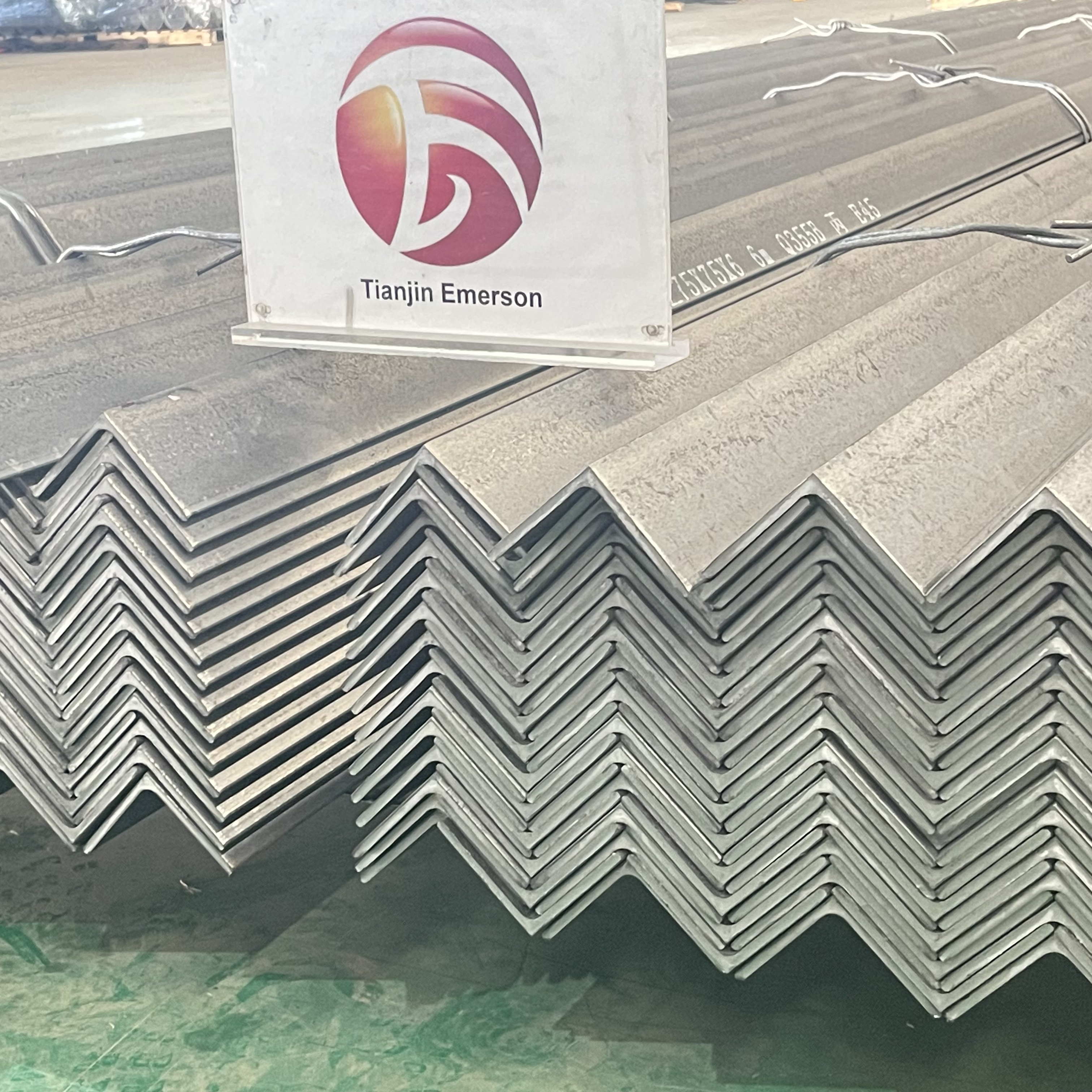
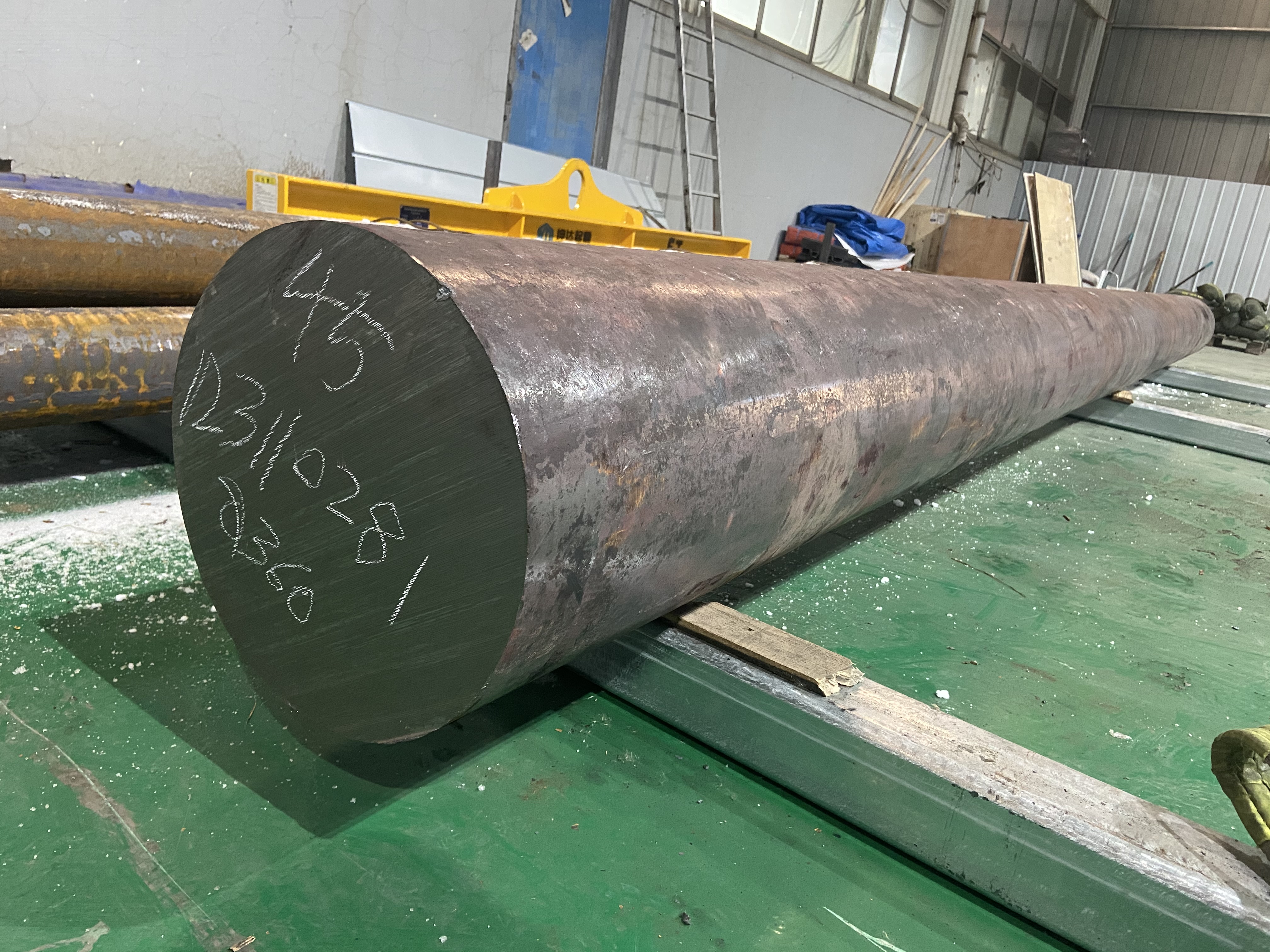
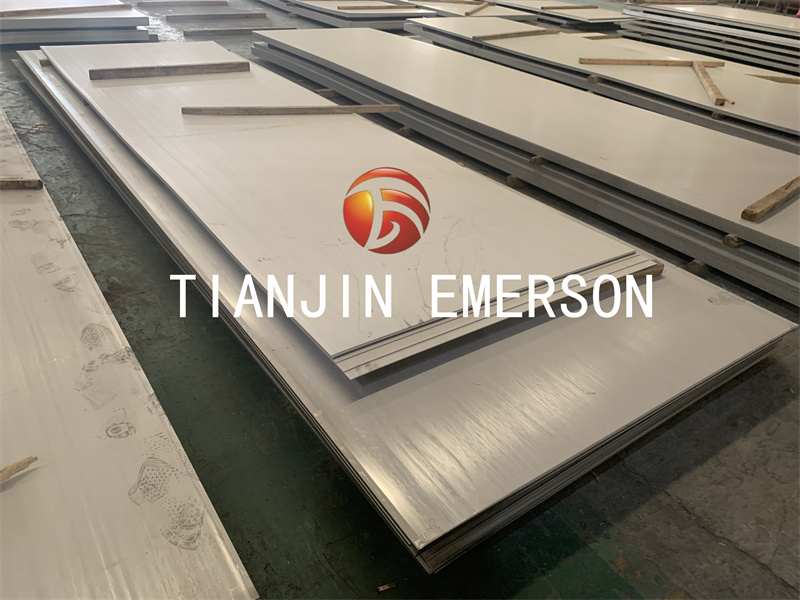
Angle steel, characterized by its distinctive L-shaped cross-section, serves as a fundamental and versatile structural component in global construction and manufacturing. Its inherent design achieves an optimal balance of strength-to-weight ratio, torsional stiffness, and ease of integration, making it indispensable for constructing frameworks, supporting structures, and reinforcement systems. The performance of angle steel components primarily depends on the initial material selection, a decision process we guide through rigorous technical consultation. The most commonly used material is hot-rolled low-carbon steel, such as Q235B (ASTM A36). Its excellent weldability, formability, and cost-effectiveness make it widely applicable in general structural applications like building frames, equipment bases, and support brackets.For environments demanding corrosion resistance, we manufacture angle steel from stainless steel. The most commonly used 304 grade is suitable for general atmospheric and cleanroom conditions, while 316 offers superior chloride resistance for marine or chemically corrosive environments. Where weight reduction is required without compromising strength, aluminum alloys—particularly 6061-T6—provide comprehensive solutions for aerospace frameworks, transportation equipment, and architectural components. We also offer galvanized angle steel processing services, utilizing either pre-galvanized coils or post-production hot-dip galvanizing. This provides long-term protection for outdoor infrastructure, communication towers, and agricultural equipment. Different materials require specific processing parameters: for instance, aluminum's high thermal conductivity and low melting point necessitate distinct laser cutting and welding equipment settings compared to steel.
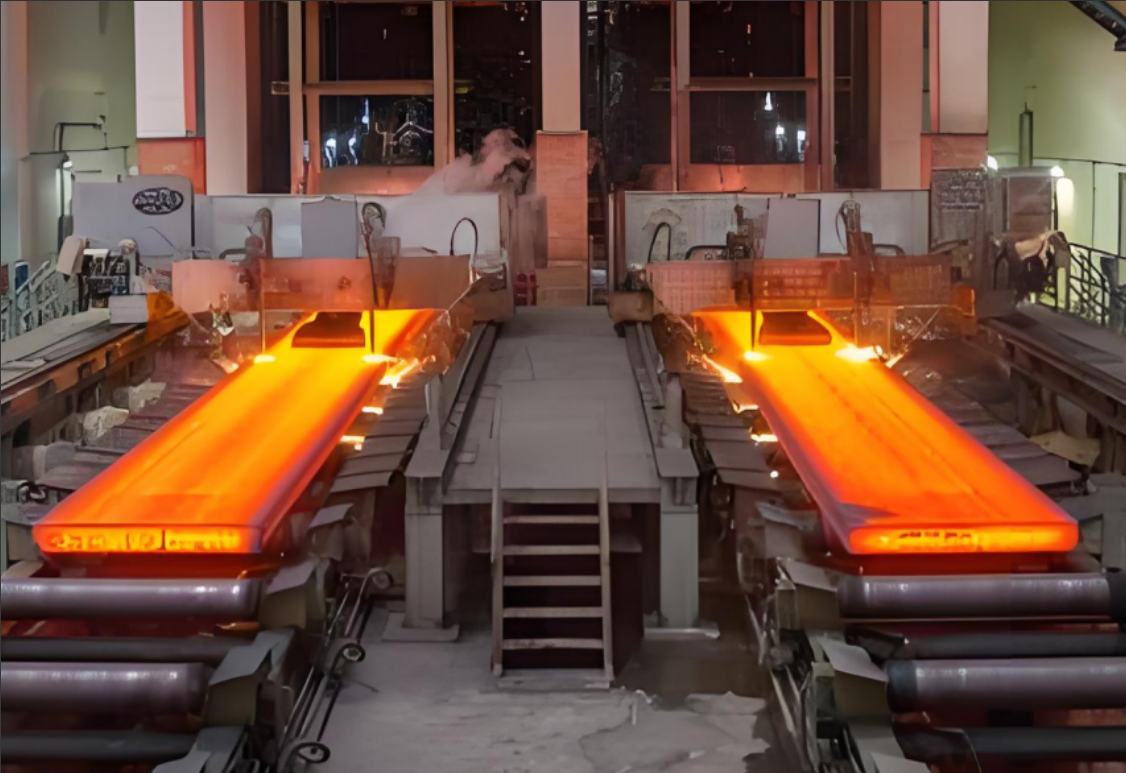
The process of transforming raw angle steel into precision components relies on our integrated advanced machinery, including laser cutters, bending machines, welding machines, and polishing machines. Whether performing simple bevel cuts or complex slotting for precision joints, our 20,000-volt laser cutter or automated band saw equipment delivers clean, precise cuts meeting stringent tolerance requirements. During the modification phase, CNC punching and drilling stations precisely fabricate bolt holes or hardware mounting points. Assembly employs reliable welding techniques: certified welders perform strong, clean MIG or TIG welds, controlling heat input to prevent distortion (critical for stainless steel processing). For non-welded assemblies, we offer precision drilling for mechanical fastening. Finally, components undergo surface finishing in our dedicated workshop to prepare them for service life: including sandblasting, professional powder coating, or specialty paint systems, ensuring both aesthetic appeal and long-term weather resistance.
The application scope of custom angle steel is exceptionally broad and spans multiple industries, serving as compelling evidence of its functional design. In construction, it forms the skeletal framework of steel structures, supports masonry, and creates the elegant yet robust frames for glass canopies and sunshades. Within industrial manufacturing, it acts as the backbone for heavy equipment frames, machinery guards, conveyor system support structures, and modular workbench frameworks. In infrastructure, it serves as essential components for utility poles, communication tower supports, and highway signage gantries. This material also forms the core of efficient warehousing and material handling solutions, such as pallet rack uprights, shelving systems, and warehouse mezzanine flooring. Ultimately, the custom angle steel assemblies we deliver are not merely components—they are reliable, high-performance cornerstones in our global clients' projects, ensuring structural integrity, enduring durability, and value realization.