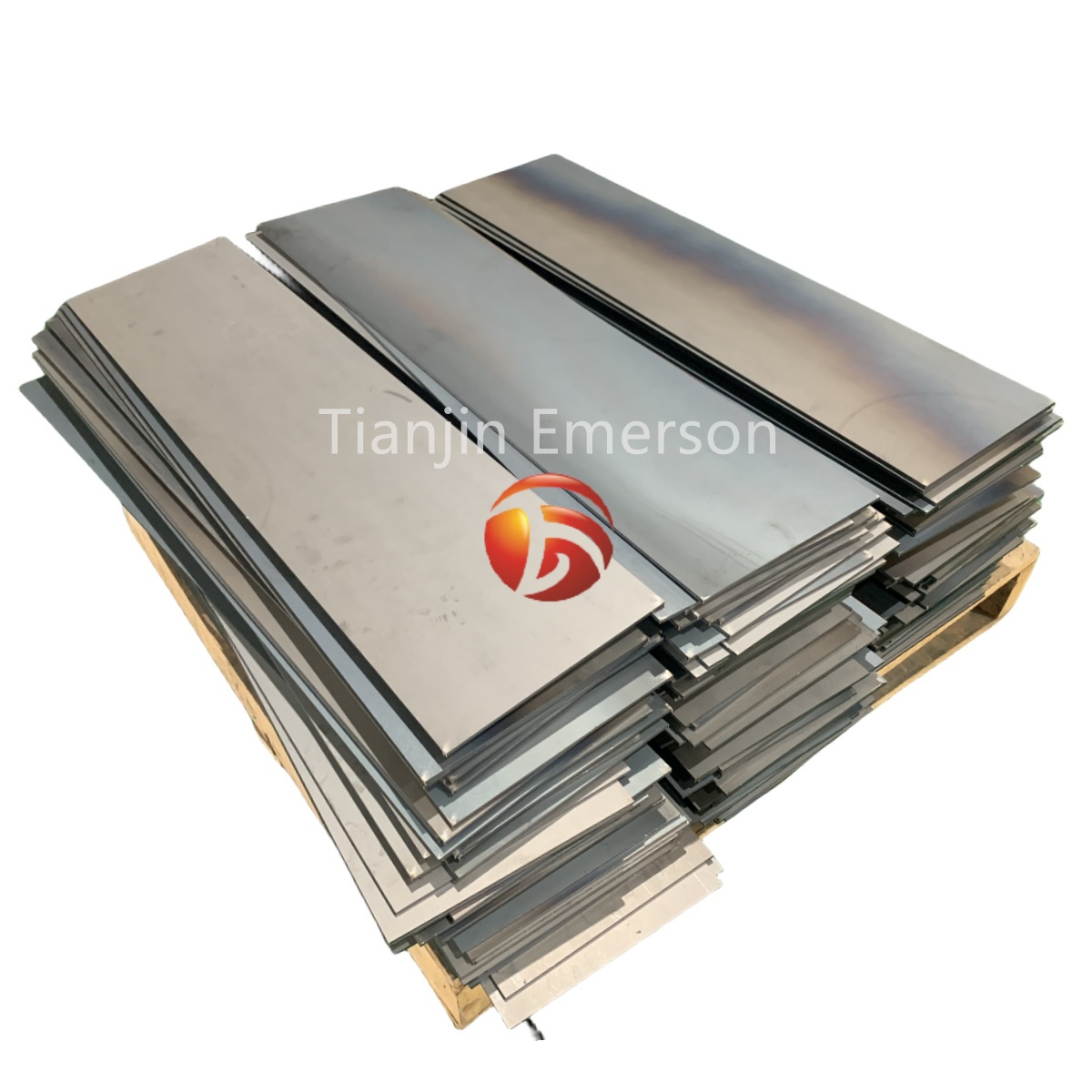
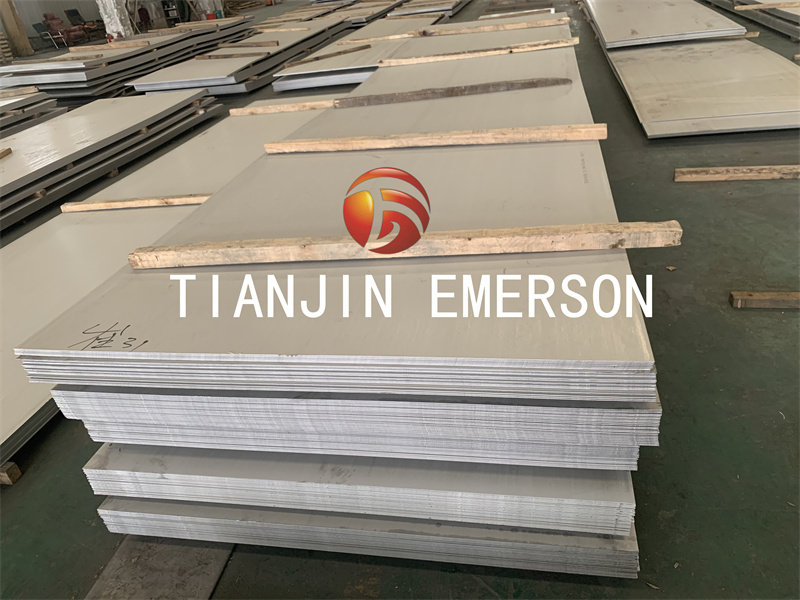
Making a fundamental choice between plain carbon steel plates and alloy steel plates is a critical engineering decision that directly determines the performance, durability, and cost-effectiveness of the final product. At our facility, we not only supply materials but also provide processing services such as laser cutting, bending, and welding. Through rigorous analysis of the application's mechanical properties, environmental conditions, and economic parameters, we guide customers in selecting the optimal steel grade. As the backbone of global steel production, plain carbon steel primarily consists of iron and carbon, with carbon content being the key variable determining its properties. Our steel plate products are categorized as follows: Low-carbon steels like ASTM A36 and Q235, with carbon content below 0.25%, offer excellent formability, weldability, and cost-effectiveness, making them widely used in structural engineering. We also supply high-carbon grades, whose enhanced hardness and wear resistance meet specific application requirements. The fundamental distinction from alloy steel lies in the following: While carbon serves as the primary hardening element in both, alloy steel achieves specific strengthening properties unattainable by carbon steel through the addition of elements such as chromium, nickel, molybdenum, manganese, or vanadium.This deliberate chemical engineering allows for precise customization of the steel's microstructure to meet extraordinary demands.
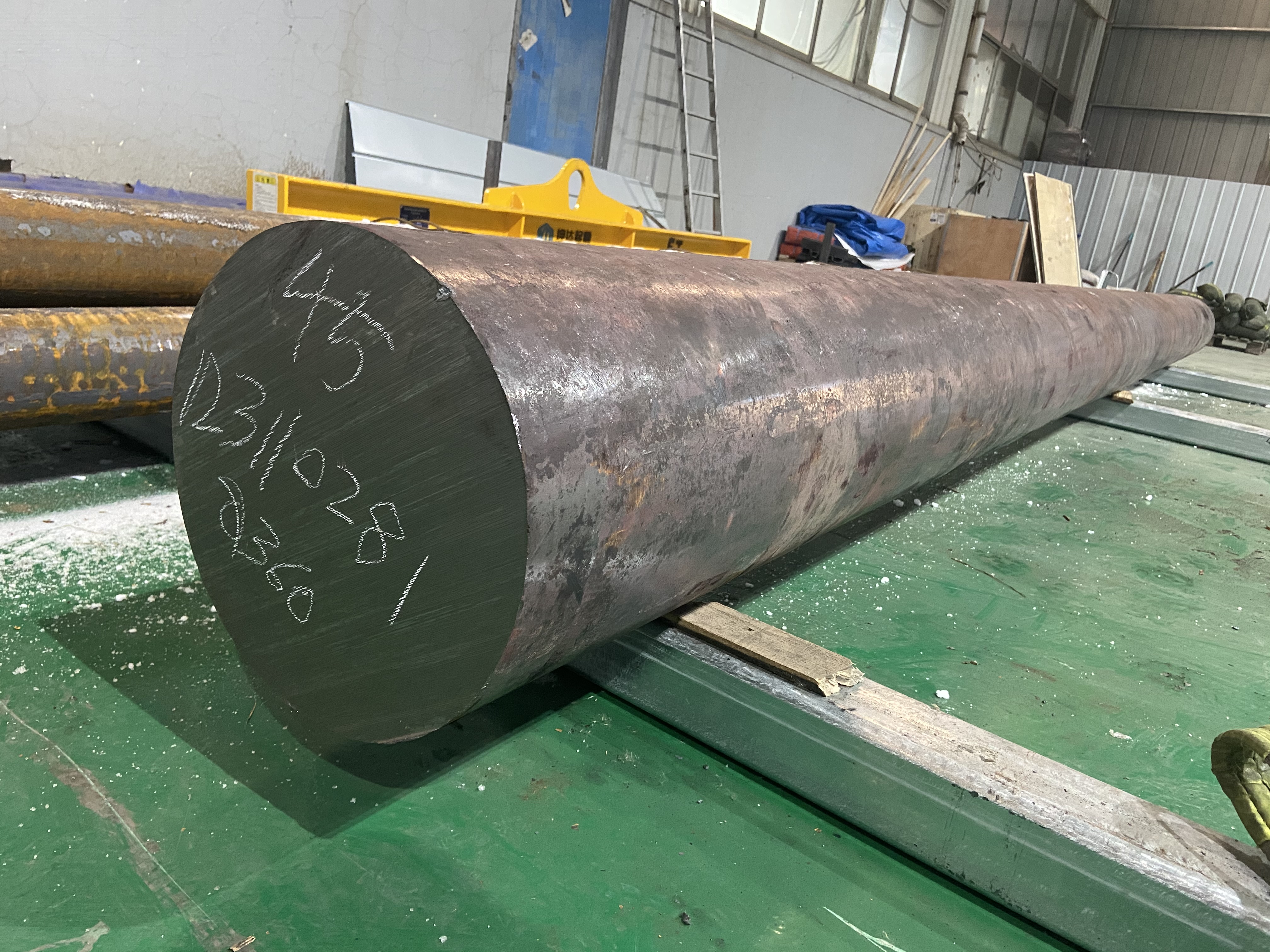
Steel plates containing alloying elements are typically customized for specific applications. The addition of chromium and molybdenum produces grades such as ASTM A387 or 4140, whose exceptional high-temperature strength and creep resistance make them indispensable materials for pressure vessels, power generation boilers, and petrochemical processing equipment. Manganese enhances hardenability and wear resistance, core properties evident in wear-resistant plates like AR400 or AR500. These are extensively used in mining equipment, bulldozer blades, and material handling systems. Other alloys are formulated to surpass plain carbon steel in atmospheric and chemical corrosion resistance. As a versatile base material, plain carbon steel is extensively used in building frames, machine bases, ship hulls, and various brackets and enclosures fabricated in our workshop through laser cutting and bending processes. However, when environmental or stress conditions become extreme, alloy steels become indispensable. Therefore, material selection requires a comprehensive evaluation of factors such as required tensile/yield strength, impact toughness at operating temperatures, exposure to corrosive media, and whether post-welding or post-forming heat treatment is necessary. This ensures the selected material not only meets usability requirements but also provides the optimal technical and economic solution for the component's entire lifecycle.
We maintain substantial inventory of carbon steel and alloy steel plates, which can be precision-cut to customer-specified lengths and dimensions using advanced equipment. This approach minimizes waste while preparing the material for subsequent processing. Following cutting, products undergo forming via CNC press brakes. Parameters are strictly controlled throughout the process, with particular emphasis on critical steps like preheating and interpass temperature management to prevent cracking in alloy steels. Additionally, we offer comprehensive secondary processing services, including stress-relief or performance-optimizing heat treatments, alongside diverse surface finishing techniques ranging from protective coatings to sandblasting.