Optimized Cross-Sectional Geometry for Load Distribution
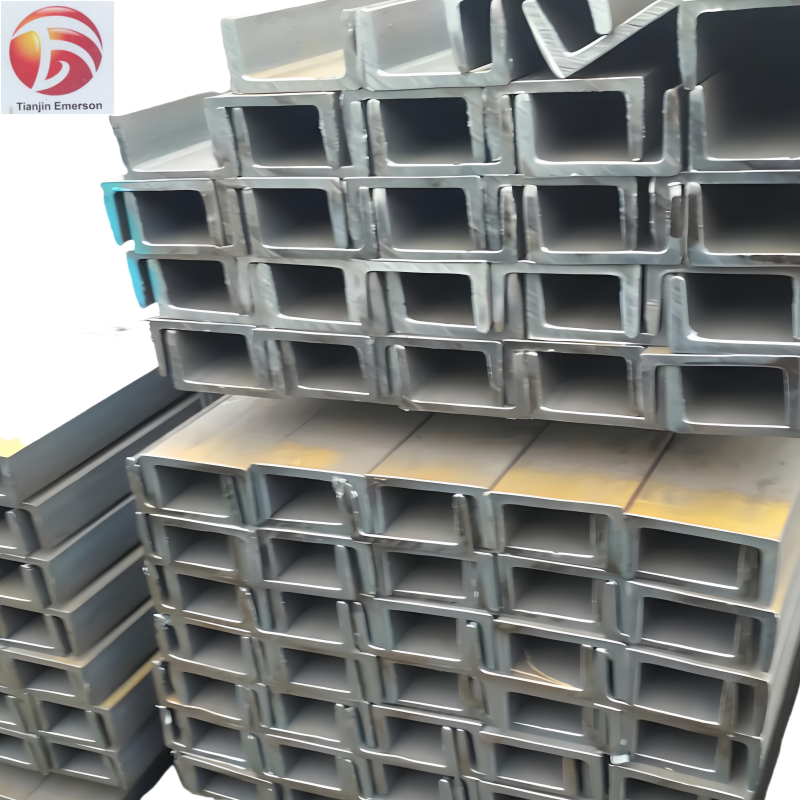
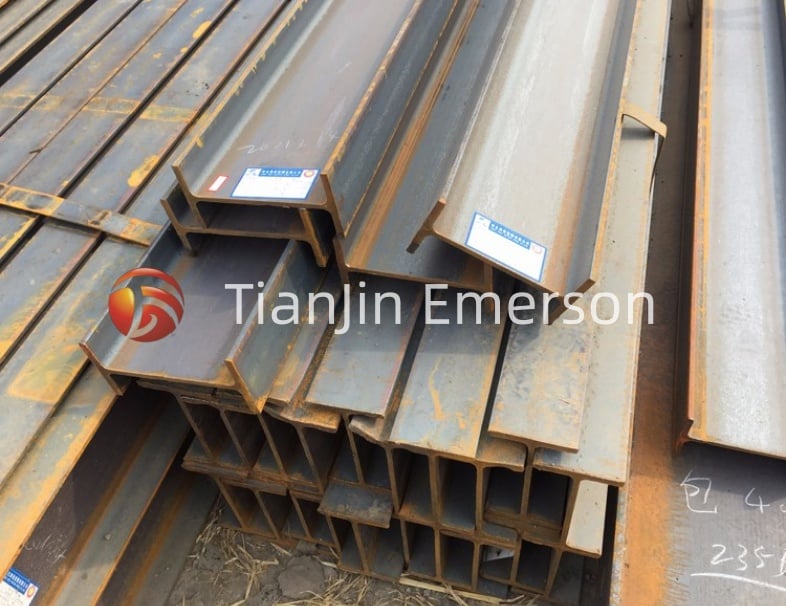
Structural steel sections such as I-beams, H-beams, channel sections, and angle sections are designed with specific cross-sectional geometries to maximize strength while minimizing material weight. Unlike solid rectangular steel bars, these hollow or open-web sections strategically position the material away from the neutral axis. This optimized design significantly increases the moment of inertia, enabling the structural steel to resist bending and deflection more effectively. For example, the wide flanges and deep web of H-beams create a high section modulus, enabling them to withstand substantial vertical loads over long spans with minimal deformation. By distributing stress evenly across the section, these shapes prevent local failure and enhance the overall stability of structures such as building frames, bridges, and industrial platforms.
Superior Resistance to Buckling and Torsion
The structural stability of columns, supports, and trusses is critical under compressive and torsional forces. Steel sections offer excellent buckling resistance due to their large moment of inertia. Hollow structural sections (HSS), such as square and rectangular steel tubes, possess exceptional torsional stiffness because their closed cross-sections resist torsion more effectively than open sections. This makes them ideal for applications subject to eccentric loads or lateral forces, such as transmission towers, crane booms, and seismic-resistant frames. When I-beams and channel sections are properly braced, they provide excellent resistance to lateral torsional buckling, ensuring that long beams remain stable under combined bending and compression loads.
Enhanced Connection Rigidity and Load Transfer
Steel sections are designed with smooth surfaces, sharp edges, and standardized dimensions, facilitating strong, rigid connections through welding, bolting, or riveting. The precise geometry of steel sections ensures that flexural connections maintain alignment and stiffness even when subjected to dynamic loads such as wind, seismic activity, or mechanical vibrations. This stiffness prevents cascading structural collapse and distributes forces evenly throughout the structure, thereby helping to ensure long-term stability and safety.
Predictable Mechanical Properties for Reliable Design
The manufacture of steel sections adheres to strict standards (such as ASTM, EN, and JIS), which ensure consistency in yield strength, tensile strength, and ductility. Unlike cast-in-place concrete or wood, the uniformity and isotropy of steel allow engineers to accurately predict how sections will behave under load. This predictability enables the design of structures with controlled deflection, known failure modes, and safety margins. High-strength low-alloy (HSLA) steel sections offer higher yield strengths (e.g., 50 ksi or 345 MPa) while maintaining good weldability, enabling the construction of lighter, more stable structures that do not undergo excessive deformation under service loads. The uniformity of steel sections eliminates weak points, ensuring the stability of the entire framework is maintained.
Versatility in Bracing and Truss Configurations
Steel profiles can be arranged into complex trusses, space frames, and braced bays that dramatically improve structural stability against lateral forces. Angles and channels are commonly used as diagonal bracing members, creating triangulated networks that resist horizontal wind and seismic loads. Hollow sections form lightweight yet stiff truss chords and web members, enabling long-span roofs and bridges with minimal deflection. The modular nature of steel profiles allows for prefabrication of stable subassemblies, reducing on-site alignment errors and ensuring that the final structure behaves as designed. This versatility makes steel profiles the material of choice for high-rise buildings, industrial sheds, and infrastructure projects where stability under all load conditions is paramount.