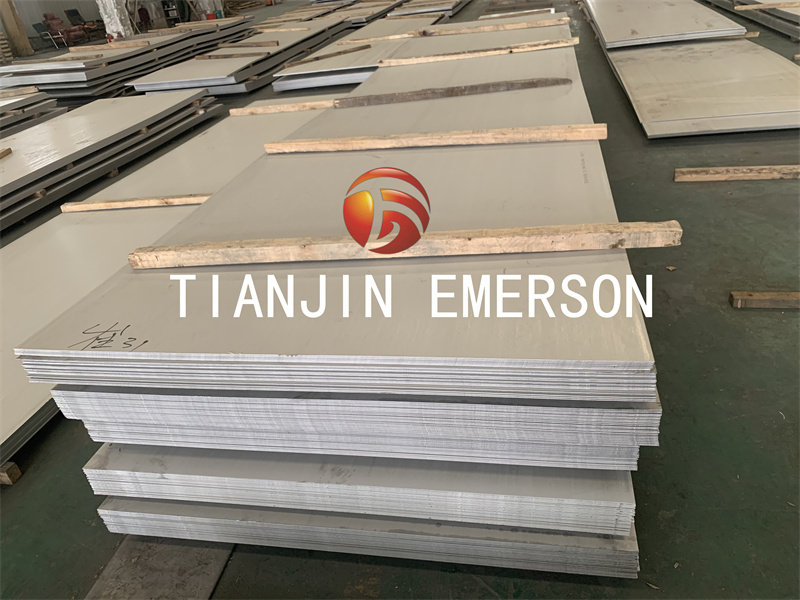
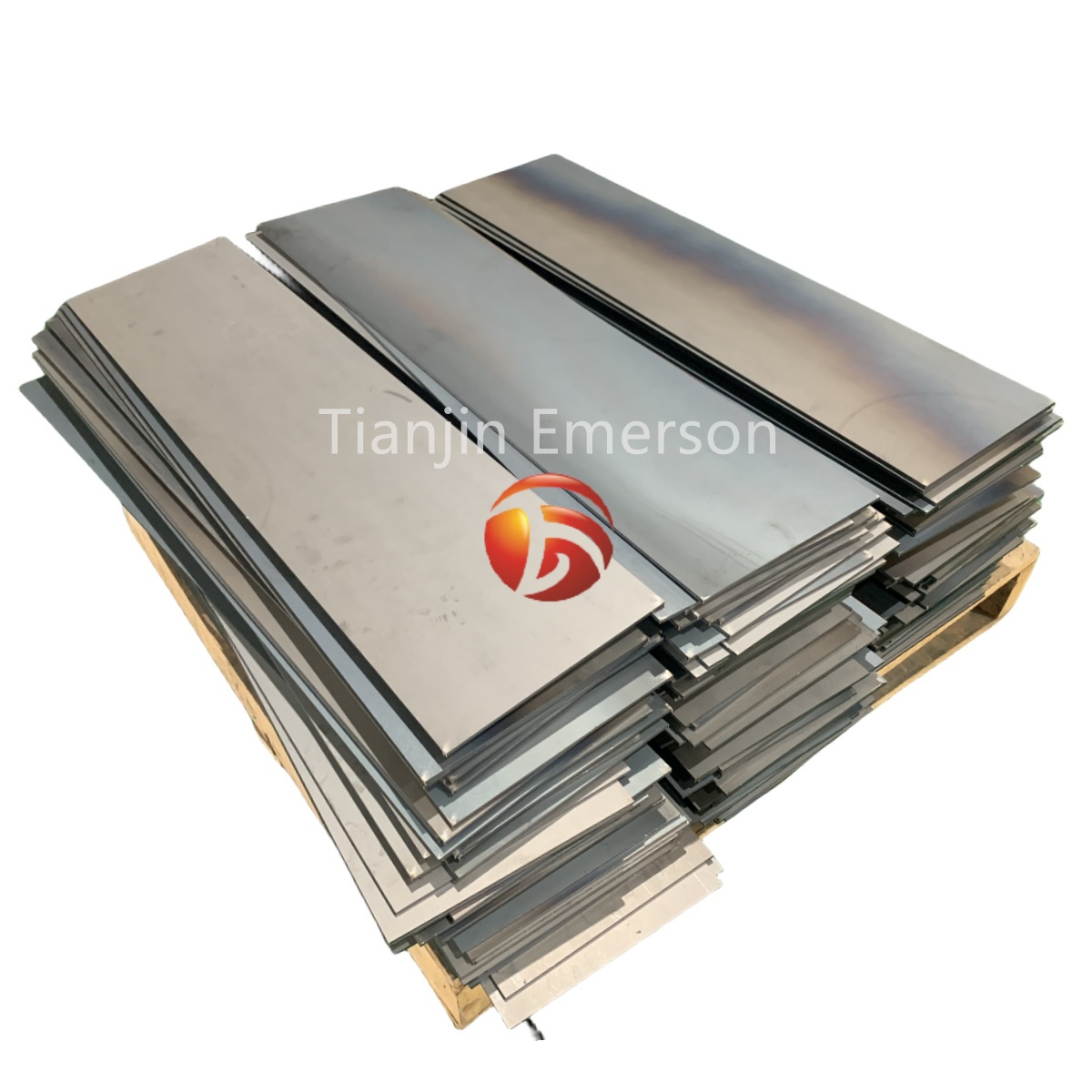
Within the extensive stainless steel family, the 200 series and 300 series represent two distinct grades of austenitic steel, each engineered through a balanced composition of specific elements. Understanding the fundamental differences between these two series is not merely an academic exercise; it is a critical prerequisite for selecting the optimal material for various applications, ensuring long-term performance, cost-effectiveness, and structural integrity. As a specialized metal fabrication facility equipped with advanced laser cutting, CNC bending, and welding technologies, we meticulously select and process custom stainless steel sheets from our factory inventory, cutting them precisely to the dimensions specified by our clients.
The core distinction between 200 series and 300 series stainless steels lies in the alloying strategies employed to achieve and stabilize their austenitic microstructure, as these materials exhibit non-magnetic properties and excellent formability. The 300 series is represented by the widely used Type 304 (containing approximately 18-20% chromium and 8-10.5% nickel) and molybdenum-containing Type 316, whose properties depend on high nickel content. Nickel, acting as a potent austenite stabilizer, confers stability to these materials, resulting in exceptional ductility, toughness, and most critically—superior corrosion resistance across diverse environments ranging from atmospheric exposure to various chemical and food processing media. In contrast, the 200 series serves as a cost-optimized alternative, developed by substituting most of the expensive nickel content with manganese and nitrogen. Grades like 201 and 202 maintain an austenitic structure but achieve this through different chemical composition balances. While this alternative successfully reduces raw material costs and may even increase initial tensile strength, it often comes at the expense of overall corrosion resistance—particularly in terms of poor resistance to pitting and stress corrosion cracking. It may also alter cold work hardening characteristics during processing.The 300 series stainless steel, particularly the 316 grade with 2-3% molybdenum content, demonstrates exceptional resistance to chlorides and acids, making it the material of choice for marine engineering, pharmaceutical industries, and high-purity chemical applications.
These compositional differences dictate divergent application philosophies and processing considerations. The 300 series is the benchmark for durability and corrosion performance. It is the specified material for architectural facades in coastal areas, critical components in food and beverage processing equipment, chemical tanks, surgical instruments, and any application where long-term material integrity in a corrosive or hygienic environment is non-negotiable. Its excellent, stable formability makes it highly suitable for deep drawing, spinning, and severe bending operations. The 200 series, given its economic advantage and respectable mechanical properties, finds its niche in applications where high corrosion resistance is not the primary driver. Common uses include indoor architectural trim, certain types of kitchenware, washing machine drums, and structural components in dry, controlled environments. From a fabrication standpoint, both series can be processed using our advanced laser cutters, press brakes, and welders. However, the 200 series' distinct work-hardening rate may require adjusted parameters during bending to prevent cracking, and its welding necessitates careful procedure to maintain what corrosion resistance it possesses. Our expertise ensures that these nuances are meticulously managed, whether we are laser-cutting complex profiles from a 316L plate for a marine fixture or forming brackets from 201 for an interior structure.Ultimately, whether utilizing highly corrosion-resistant 300 series or cost-effective 200 series stainless steel, we ensure every custom component precisely aligns with its application, performance requirements, and budget—delivering optimal results for our clients' specific projects.