Material Definition and Core Mechanical Properties
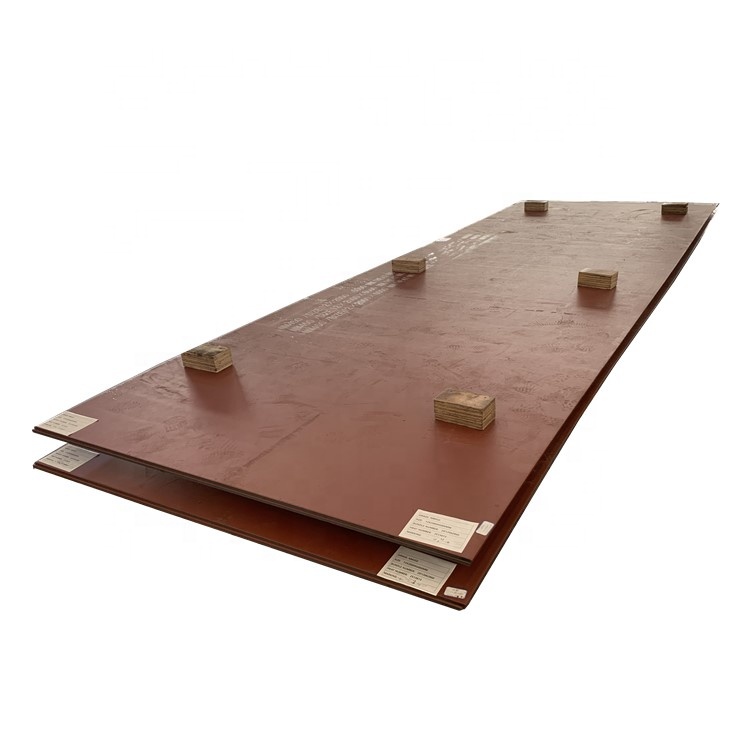
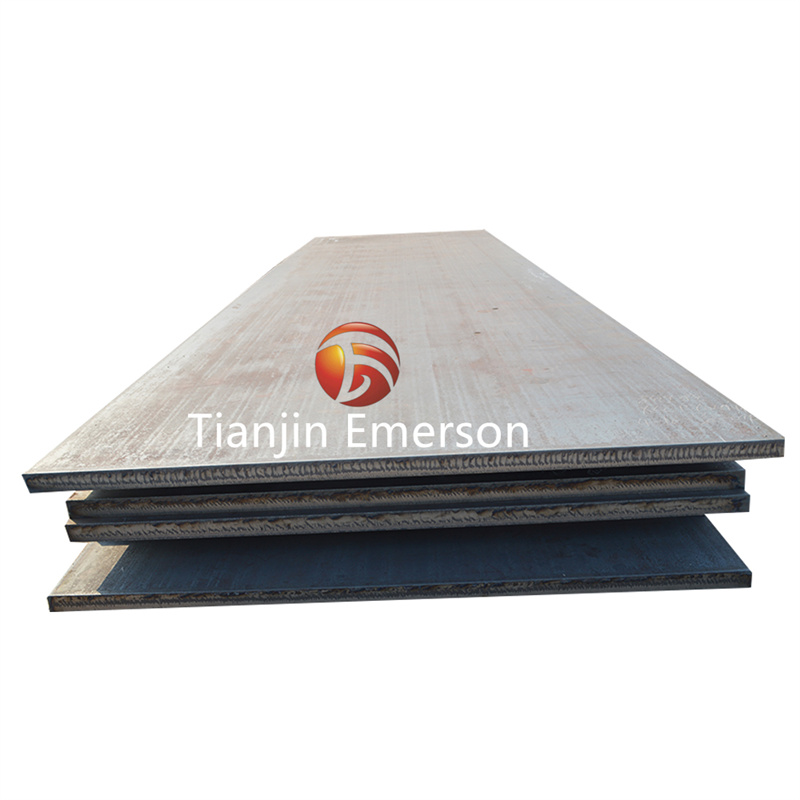
NM500 is a high-strength abrasion-resistant steel plate manufactured under the Chinese national standard GB/T 24186. The designation “NM” stands for “Nai Mo” (wear-resistant), and “500” denotes its nominal Brinell hardness of 500 HBW, with an International Stipulation Range of HBW ≥470. It is produced through a quenching and tempering (Q&T) heat treatment process, which develops a fully martensitic microstructure that delivers exceptional surface hardness while maintaining adequate core toughness for dynamic loading conditions. NM500 provides outstanding abrasion resistance, high tensile strength, and reliable long-term performance in harsh working environments. Typical yield strength reaches 1,222–1,550 MPa, with tensile strength ranging from 1,583 MPa to 2,000 MPa, and elongation between 9.6% and 10%. Unlike conventional structural steel (such as ASTM A36 or S355), NM500 can extend service life by 3 to 5 times under severe abrasive conditions, drastically reducing maintenance frequency and equipment downtime.
Cutting and Machining: Preserving Edge Integrity While Preventing Cracks
NM500 steel plates can be cut using several methods, including plasma, oxy-fuel, laser, and waterjet cutting. Plasma cutting is the most widely used method in heavy fabrication shops, offering a strong balance between speed and cost, cutting through NM500 quickly even at thicknesses up to 50mm or more. Laser cutting provides superior precision and a narrow kerf, making it ideal for complex shapes and tight tolerances, though it is typically effective up to about 20mm for NM500. Waterjet cutting generates no heat, eliminating the risk of thermal distortion, hardening, or micro-cracking, making it the safest choice for maintaining the material’s original properties, capable of cutting NM500 cleanly up to 100mm or more. When oxy-fuel cutting is performed, plate preheating is required to prevent edge cracking. Low-speed cutting combined with preheating and post-cut slow cooling further reduces crack risk. For drilling operations, NM500 demands specialized tools: high-hardness grades such as NM500 require cobalt-alloyed high-speed steel drills (8% cobalt content) to effectively machine the material.
Welding Best Practices for High-Hardness Steel Plates
Welding is the most sensitive fabrication operation when working with NM500 due to its susceptibility to hydrogen-induced cold cracking. For plates thicker than 20mm, preheating to 150-200°C is required. Low-hydrogen electrodes (E7018 or equivalent) or appropriate flux-cored wires must be used, with interpass temperature maintained between 200°C and 250°C. For thinner plates, NM500 can be welded with proper selection of welding consumables and controlled heat input. Post-weld heat treatment is not typically required for most applications but may enhance performance in critical service conditions. Before welding, surfaces must be thoroughly cleaned to remove mill scale, rust, and contaminants, with surface preparation to SA 2.5 standards recommended for optimal coating adhesion.
Industrial Applications Across Heavy Machinery and Infrastructure
NM500 is widely applied in industries where equipment faces severe sliding abrasion and high-impact wear. In mining and quarrying, it is used for excavator buckets, dump truck bodies, crushers, and hoppers, as well as chute liners and conveyor systems. The material significantly extends the service life of dump truck bodies, excavator buckets, and similar equipment by providing high wear resistance through an effective quenching process that achieves high hardness while maintaining a low alloy content. In construction machinery, NM500 serves as dozer blades, concrete mixer liners, and heavy-duty containers. The cement and aggregate industries employ NM500 for feeders, screen plates, fan blades, and transfer chutes. Additional applications include metallurgical material handling systems, bins, skips, and heavy industrial shredders, where NM500 provides a robust solution against intense mechanical stress and friction.
Global Equivalents: Cost-Effective Alternative to Premium Brands
NM500 is frequently used as a practical, cost-effective alternative to branded premium wear-resistant steels. According to global abrasion-resistant steel equivalent charts, NM500 corresponds to AR500 (US generic grade), Hardox 500 (SSAB, Sweden), XAR 500 (ThyssenKrupp, Germany), and JFE-EH500 (JFE, Japan). While premium brands such as Hardox 500 typically fall within the hardness range of 470–530 HBW, NM500 is manufactured in strict accordance with GB/T 24186, providing comparable wear resistance at a significantly lower landed cost when sourced from China manufacturers. Purchasers should always require certified mill test reports documenting chemical composition, hardness mapping, and, where applicable, Charpy V-notch impact energy values to ensure traceability and compliance with project specifications. Compared to NM400, which is suited for moderate wear conditions, NM500 is preferred for more extreme wear environments—particularly heavy-duty machinery and industrial equipment where superior durability is essential.