Precision Processing: Cold Drawing, Grinding, and Centerless Finishing
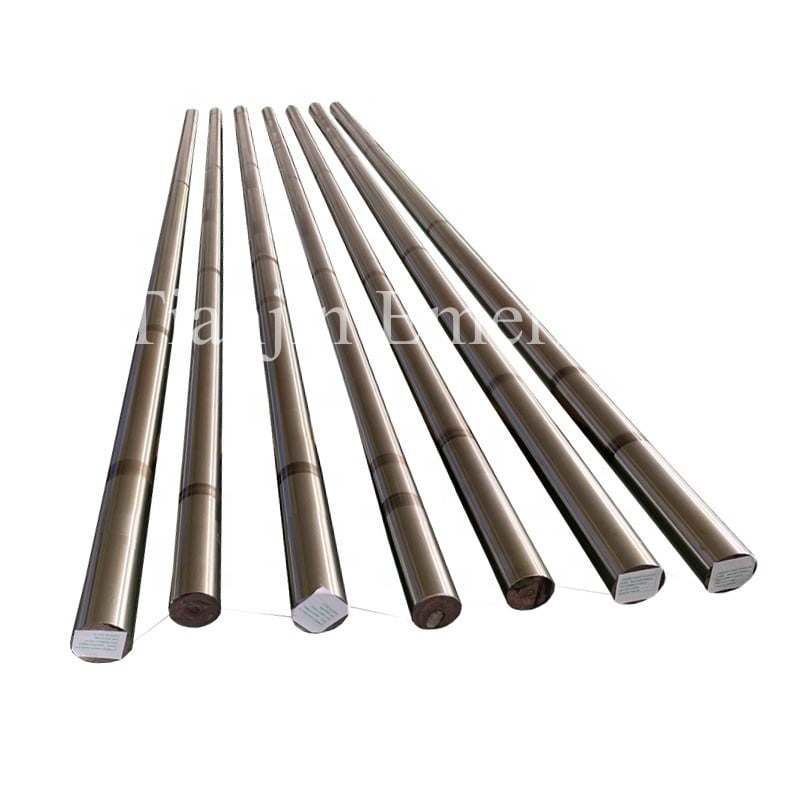
Stainless steel round bars are manufactured through several precision processes to achieve tight dimensional tolerances and superior surface finishes. Cold drawing pulls hot-rolled bar stock through a carbide die at room temperature, reducing diameter by 10–30% while increasing yield and tensile strength through strain hardening. This method produces bright, scale-free surfaces with tolerances as tight as ±0.025mm. Centerless grinding follows for applications requiring micron-level accuracy and mirror finishes (Ra <0.4μm), removing the outer layer to eliminate decarburization and surface defects. Turned and polished (TP) bars are produced by peeling the bar on a lathe then polishing, ideal for hydraulic piston rods and precision shafts. Grades such as 304, 304L, 316, and 316L are commonly processed, with low-carbon variants (L grades) preferred for welding applications to prevent sensitization. All processing must use dedicated stainless steel tooling to avoid iron contamination, which can initiate pitting corrosion.
Main Applications Across Critical Industries
Stainless steel round bars are indispensable in sectors demanding corrosion resistance, strength, and hygiene. In food and beverage processing, 304 round bars are machined into conveyor rollers, mixing shaft extensions, and sanitary valve stems, where smooth surfaces prevent bacterial growth. Pharmaceutical and medical device manufacturing employs 316L bars for surgical instrument blanks, bone screw stock, and cleanroom equipment frames, leveraging molybdenum's enhanced resistance to sterilization chemicals. Chemical and petrochemical plants specify 316/316L bars for pump shafts, agitator stems, and heat exchanger tube sheets, with duplex grades (2205) used for high-chloride environments. Marine and offshore applications rely on 316L round bars for propeller shafts, rudder stocks, and rigging hardware. Architecture and construction use polished 304 bars for handrails, balustrades, and structural ties. Automotive components include exhaust valve stems and fuel injection parts. For high-strength, wear-resistant applications, martensitic grades (e.g., 410, 420) are machined into valve spindles and pump shafts after heat treatment to achieve 35–45 HRC hardness.
Critical Processing and Quality Precautions
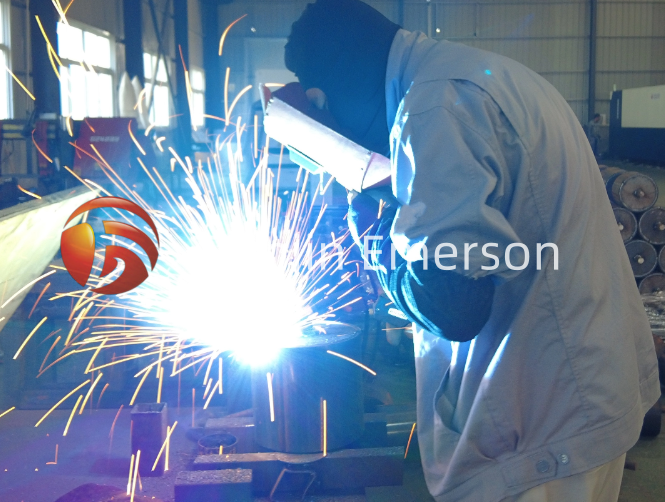
When machining stainless steel round bars into finished components, several precautions ensure optimal performance. Tooling selection is critical: use carbide inserts with sharp edges and positive rake angles to minimize work hardening. Maintain consistent chip loads and avoid dwelling, which can cause surface galling. Coolant must be applied generously to dissipate heat; soluble oil emulsions are preferred. For welded assemblies, always use filler metals matching the base material (ER308L for 304, ER316L for 316) and back-purge with argon to prevent root oxidation. Post-machining, remove all cutting fluids and swarf, then passivate the part using nitric or citric acid to restore the passive chromium oxide layer. Quality assurance includes dimensional checks with micrometers, surface roughness testing, and, for critical components, ultrasonic testing to detect internal defects. For high-load applications, verify mechanical properties via tensile testing of representative samples. By adhering to these processing guidelines, stainless steel round bars deliver reliable, long-lasting service in the most demanding environments.