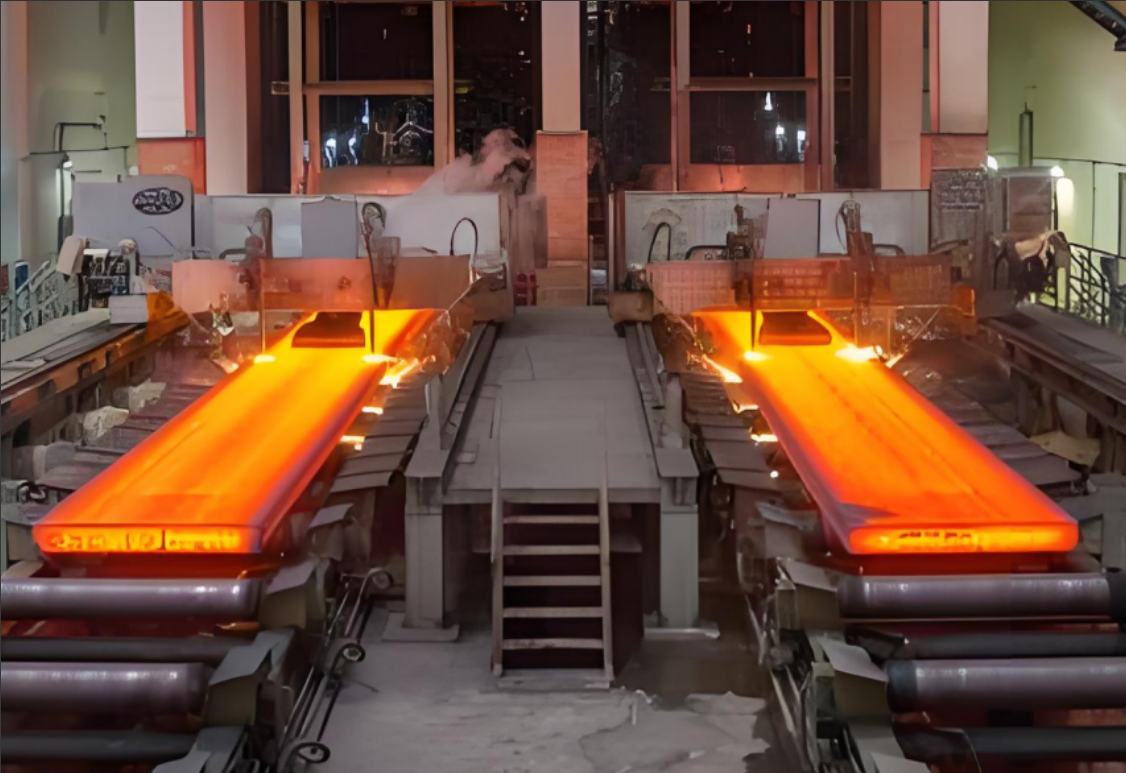
Thickness Classification System for Hot Rolled Steel Plates
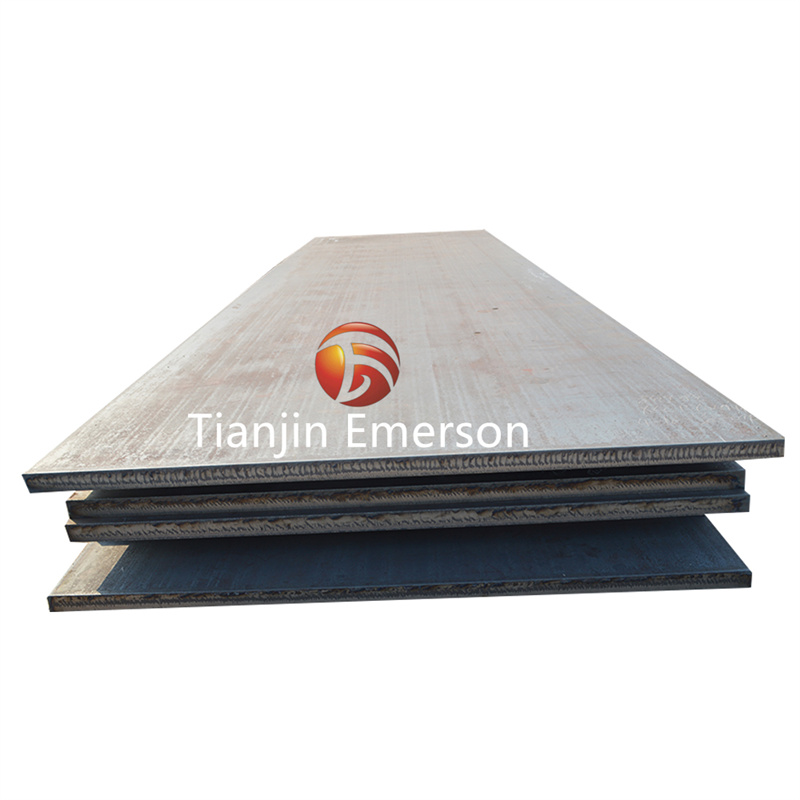
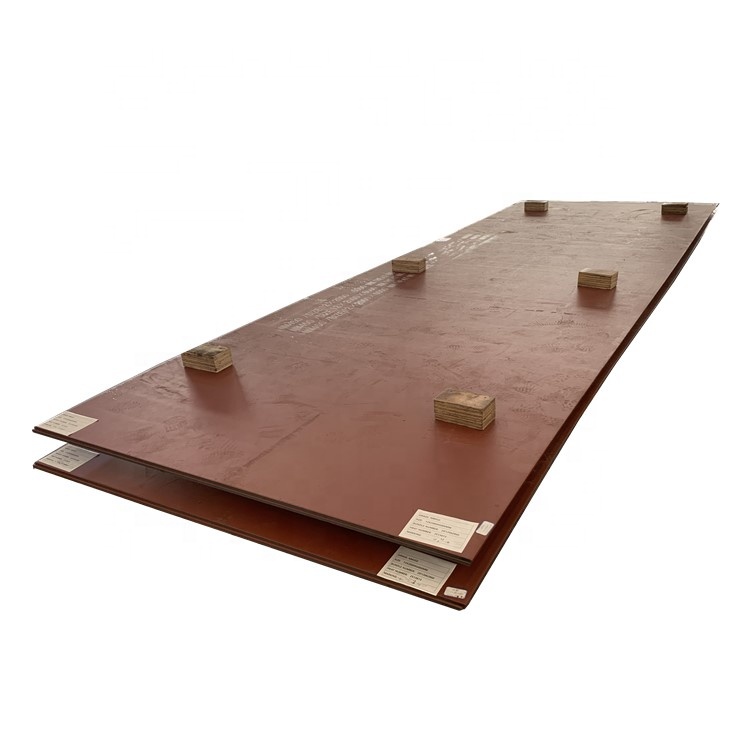
Hot rolled steel plates are systematically classified by thickness into distinct categories, each serving specific industrial applications. The fundamental division separates thin plates from thick plates, with the threshold typically set at 4mm. Thin hot rolled plates range from 0.35mm to 4mm in thickness, while thick plates encompass all thicknesses greater than 4mm. Within the thick plate category, further subdivision recognizes three subcategories: medium plates ranging from 4mm to 25mm, heavy plates spanning 25mm to 60mm, and extra-heavy plates exceeding 60mm. Some industry practices define medium plates as 3mm to 20mm, heavy plates as 20mm to 60mm, and extra-heavy plates up to 600mm. Hot rolled steel plates are manufactured with nominal thicknesses from 0.35mm up to 200mm, while hot rolled steel coils typically range from 1.2mm to 25mm. This classification system provides engineers and fabricators with a standardized framework for selecting appropriate materials based on structural requirements and fabrication capabilities.
Application Domains Across Thickness Ranges
Each thickness category serves distinct industrial sectors with specific performance requirements. Thin hot rolled plates (0.35mm–4mm) are widely used in automotive manufacturing for Body structural components and chassis components, as well as in mechanical equipment housings, vehicle springs, photovoltaic brackets, and corrosion-resistant containers. These plates also serve as the base material for cold-rolled sheets and welded steel tubes. Medium plates (4mm–25mm) are the primary material for Various welding structures, extensively used in bridges, ships, boilers, pressure vessels, and building construction. Hot rolled medium plates find applications requiring moderate strength and thickness in construction, shipbuilding, and machinery manufacturing. Heavy plates (25mm–60mm) are specified for Heavy engineering structures, large-span bridges, high-pressure vessels, and offshore platforms. Extra-heavy plates (60mm and above) are essential for extreme applications including nuclear reactor pressure vessels, large hydraulic press frames, super-high-rise building columns, and heavy military equipment. These plates require specialized rolling mills and are critical strategic materials for large ships,Giant Bridge structures, offshore drilling platforms, and nuclear power plant containment vessels.
Fabrication Methods for Different Thicknesses
The processing of hot rolled plates varies significantly across thickness ranges, with each category requiring specific cutting and forming technologies. For thin plates, precision laser cutting delivers high accuracy with minimal heat-affected zones, enabling complex geometries and tight tolerances. Plasma cutting serves medium plates effectively, balancing speed and edge quality for thicknesses from 5mm to 50mm. For heavy and extra-heavy plates, oxy-fuel (flame) cutting remains the preferred method due to its deep penetration capability and cost-effectiveness for thick sections. Thick plates may require preheating before cutting to prevent edge cracking, particularly for higher carbon equivalent grades. Cold shearing is applicable for thinner plates up to approximately 12mm, while thicker sections demand thermal cutting methods. CNC machining, including drilling and milling, is commonly employed for medium and heavy plates to create bolt holes, edge preparations, and complex profiles. Additionally, medium and heavy plates can be formed through press brake bending or three-roll plate rolling for cylindrical applications such as pressure vessels and storage tanks.
Thickness Tolerances and Quality Standards
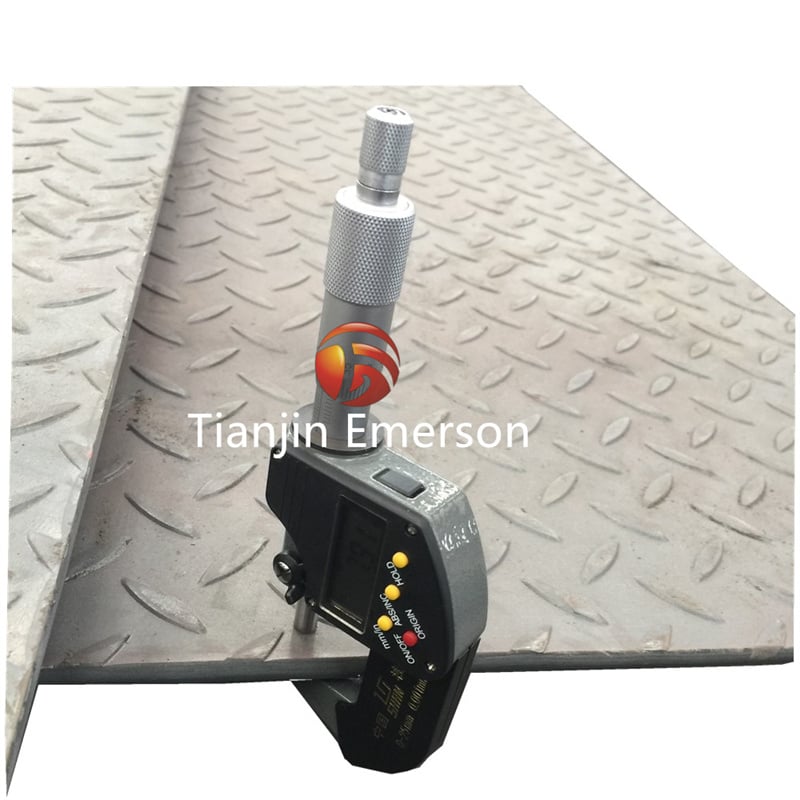
International standards govern thickness tolerances for hot rolled plates to ensure dimensional consistency and quality. EN 10029 specifies tolerances for hot rolled non-alloy and alloy steel plates with nominal thicknesses from 3mm to 400mm and widths of 600mm and above. For continuously hot rolled plate, sheet, and strip up to 25mm thickness, EN 10051 provides dimensional and shape tolerances. ASTM standards, including A480, define thickness tolerances for various plate grades. These standards require thickness measurements at specified distances from plate edges—typically at least 25mm from edges for trimmed products and 40mm for mill-edge products. Tolerances vary by steel grade and thickness range, with higher-strength steels often requiring tighter control. Quality assurance includes verification of chemical composition via mill test reports, mechanical property testing (tensile, impact, hardness), and non-destructive examination for internal defects. Compliance with these standards ensures that hot rolled plates meet the stringent requirements of construction, shipbuilding, pressure vessel, and heavy machinery applications.