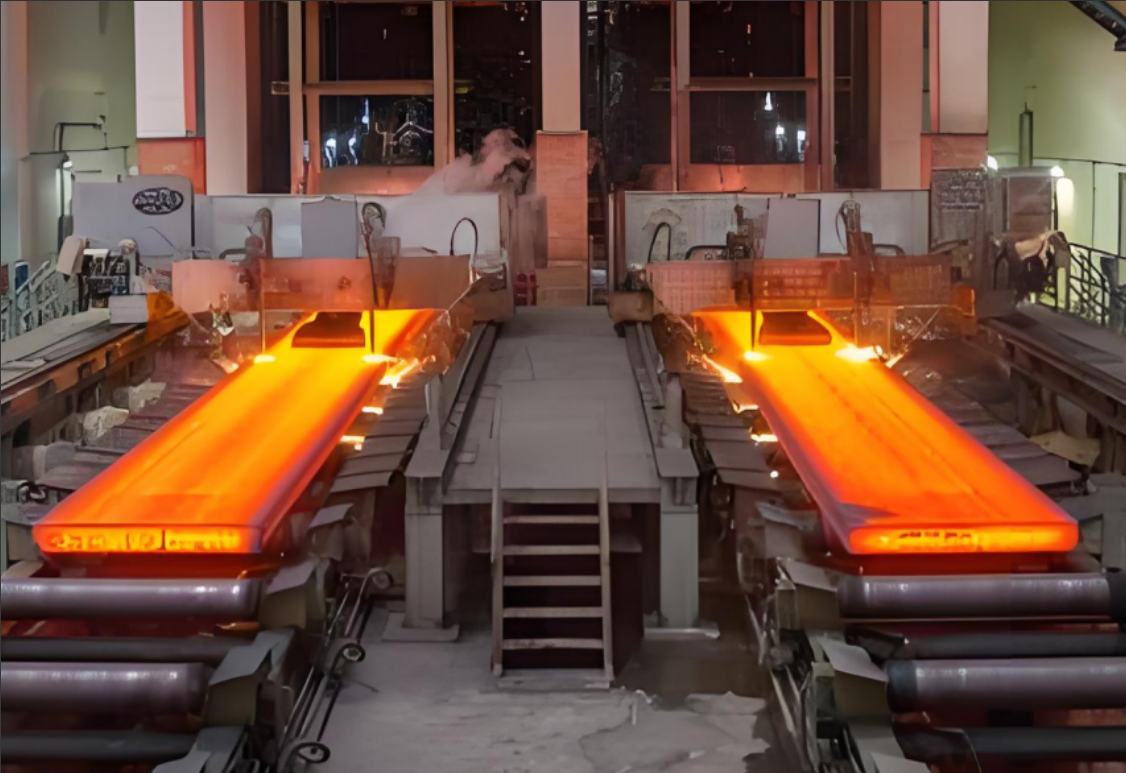
Introduction to Hot-Rolled Ship Plate Classification
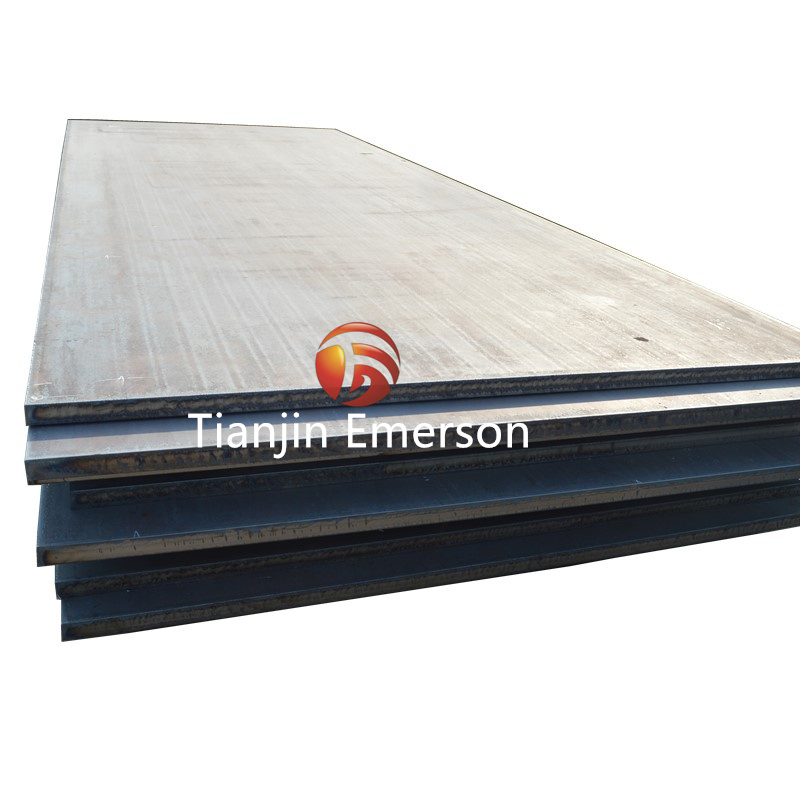
Hot-rolled ship plates are structural steel plates specifically manufactured for the construction of ship hulls, bulkheads, decks, and other marine structures, produced in strict accordance with classification society rules and international standards. These plates are available in a comprehensive range of dimensions, with thicknesses typically ranging from 3mm to 300mm, widths from 600mm to 4200mm, and lengths extending up to 18,000mm. The most widely recognized specification governing ship plates is ASTM A131/A131M, which covers structural steel plates, shapes, bars, and rivets intended primarily for use in ship construction. Materials under this specification are categorized into two principal groups: ordinary strength steels and higher strength steels.
The ordinary strength category comprises Grades A, B, D, and E, each distinguished by their specified minimum Charpy V-notch impact toughness properties at different temperatures. The higher strength category encompasses Grades AH, DH, EH, and FH, available in multiple strength levels with specified minimum yield points of 46 ksi (315 MPa), 51 ksi (350 MPa), or 57 ksi (390 MPa). This systematic classification enables ship designers and engineers to select the appropriate steel grade based on the specific structural location, anticipated service loads, and environmental conditions the vessel will encounter.
Ordinary Strength Ship Plate Materials and Properties
Ordinary strength ship plates—Grades A, B, D, and E—share common mechanical property requirements while differing primarily in their impact toughness characteristics. All four grades exhibit a minimum specified yield strength of 34 ksi (235 MPa) and a tensile strength range of 58-75 ksi (400-520 MPa). Grade A steel is the most basic grade and does not require impact testing. Grade B steel, a common tensile strength steel, possesses good toughness properties, strong corrosion resistance, and excellent processing and welding properties. Grade D steel undergoes impact testing at -20°C, while Grade E steel—the highest ordinary strength grade—is tested at -40°C. For plates up to and including 40mm thickness, air rolling and controlled rolling are common delivery states. For plates exceeding 40mm thickness, normalizing or thermo-mechanical controlled processing (TMCP) is required to enhance strength and toughness.
The chemical composition of ordinary strength ship plates is strictly controlled to ensure consistent mechanical properties and weldability. Grade A typically contains a maximum of 0.21% carbon, 0.50% silicon, and 0.60% manganese, with phosphorus and sulfur limited to 0.035% each. Grades B, D, and E have similar carbon and impurity limits, with manganese content adjusted to achieve the required mechanical properties. The manganese-to-carbon ratio is maintained above 2.5 to ensure adequate strength and toughness. The plates exhibit excellent weldability, with stringent control over chemical composition and mechanical properties ensuring consistent and reliable quality for demanding marine applications. When welded, it is presupposed that a welding procedure suitable for the grade of steel and intended use or service will be utilized.
Higher Strength Ship Plate Materials and Properties
Higher strength ship plates—Grades AH, DH, EH, and FH—offer superior mechanical properties for demanding structural applications in ship construction. These grades are available in multiple strength levels: 32 (315 MPa minimum yield), 36 (355 MPa minimum yield), and 40 (390 MPa minimum yield). For example, AH36, DH36, and EH36 steel plates have a minimum yield strength of 51 ksi (355 MPa) and a tensile strength range of 71-90 ksi (510-650 MPa). The higher strength of these grades allows for thinner hull plating, reducing overall vessel weight while maintaining structural integrity. Each strength level is further divided by quality grades corresponding to impact test temperatures: Grade A (0°C), Grade D (-20°C), Grade E (-40°C), and Grade F (-60°C). This comprehensive classification system ensures that the appropriate steel grade can be selected for every structural component, from non-critical interior bulkheads to the most heavily stressed outer hull sections operating in Arctic environments.
The chemical composition of higher strength ship plates incorporates microalloying elements to achieve the enhanced mechanical properties. These grades contain carbon up to 0.18%, manganese from 0.90% to 1.60%, silicon from 0.10% to 0.50%, with phosphorus and sulfur limited to 0.035% each. Controlled additions of niobium (0.02-0.05%), vanadium (0.05-0.10%), titanium (up to 0.02%), and other elements contribute to grain refinement and precipitation strengthening. For applications requiring resistance to lamellar tearing, Z-quality steel (e.g., Z35) is available with a minimum specified average reduction of area in through-thickness tensile testing of 35%. The delivery condition for higher strength ship plates is critical: as-rolled delivery is generally not permitted. Instead, plates must be supplied in normalized, normalized rolled, or TMCP condition. TMCP involves controlled rolling followed by accelerated cooling, producing a fine-grained microstructure with excellent toughness, particularly at low temperatures. The heat treatment condition is clearly marked on each plate—"N" for normalized and "TMCP" for thermo-mechanical controlled processed. This rigorous control over processing conditions ensures that higher strength ship plates deliver the required combination of strength, toughness, and weldability essential for the safe and reliable construction of modern ships and offshore structures.