Manufacturing Process: Piercing vs. Forming and Welding
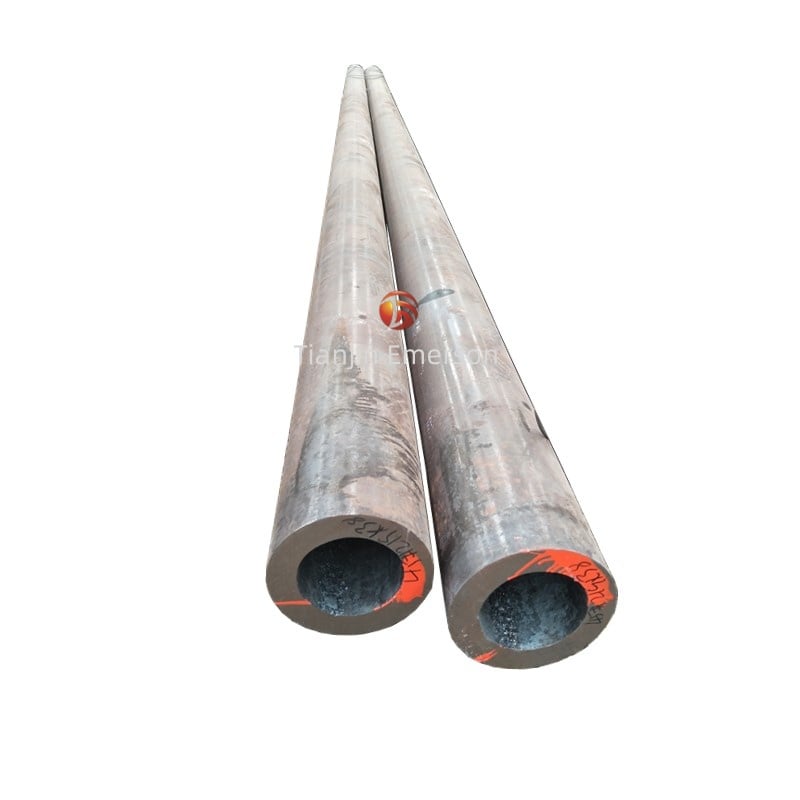
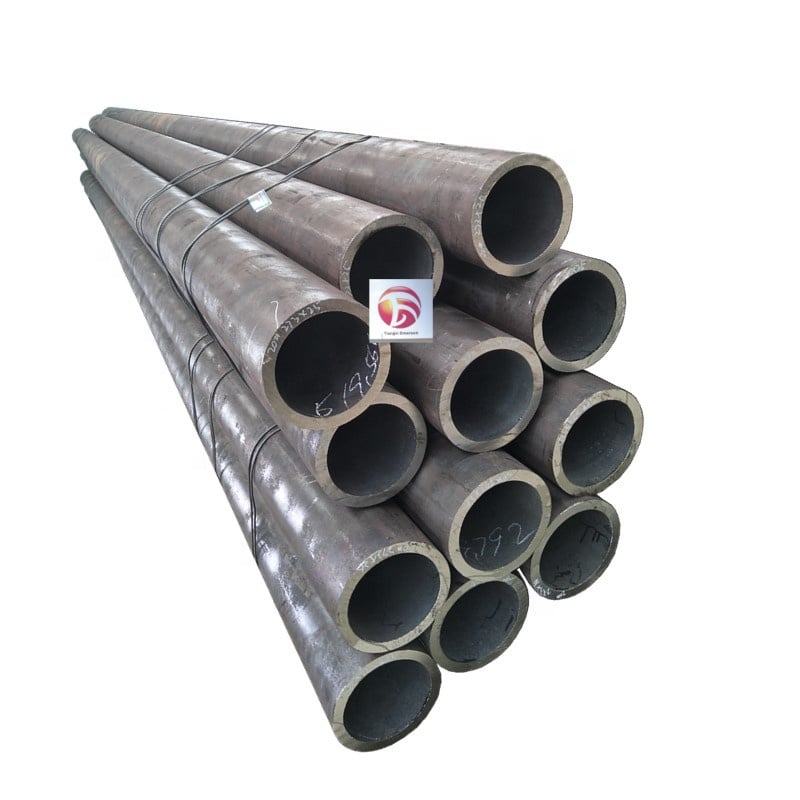
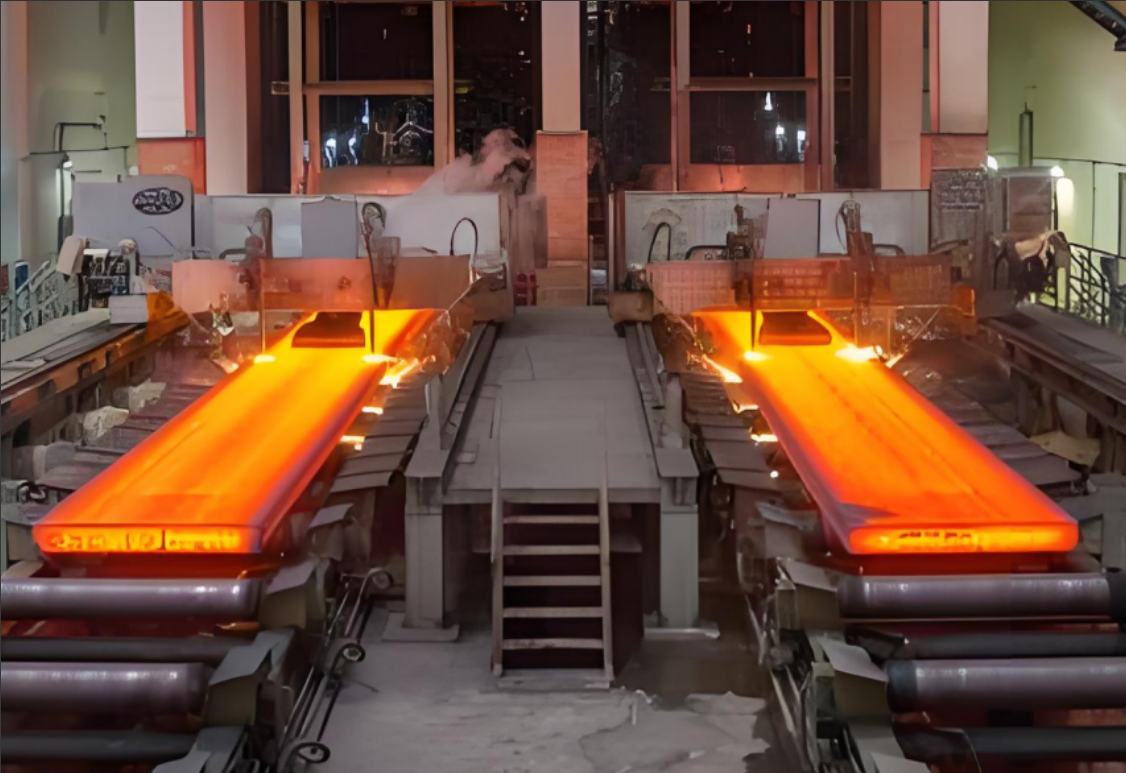
The primary difference between seamless and welded steel pipe lies in their fundamentally distinct manufacturing processes. Seamless pipe production begins with a solid cylindrical steel billet, which is heated to a high temperature and then pierced through the center with a mandrel to create a hollow shell. This shell is subsequently rolled and stretched until it achieves the required length, diameter, and wall thickness, resulting in a pipe with no longitudinal or spiral weld seam. This process is broadly categorized into hot rolling (for large diameters and thick walls) and cold rolling or drawing (for high precision and smooth surfaces). In contrast, welded pipe starts as a flat steel strip, known as skelp, which is roll-formed into a cylindrical shape. The longitudinal edges are then fused together using various welding techniques.
Welding Methods: ERW, LSAW, and Beyond
The specific welding method employed is another key differentiator among welded pipes. Electric Resistance Welding (ERW) is a dominant method for smaller to medium diameters, where high-frequency electrical current is passed between the edges of the formed cylinder, causing them to melt and fuse without filler metal. For larger diameters and thicker walls, Longitudinal Submerged Arc Welding (LSAW) is utilized, where a steel plate is formed into a cylinder and the longitudinal seam is welded from both the inside and outside. A variation of this is Spiral Submerged Arc Welding (SSAW), where a continuous strip of steel is spirally formed and welded, allowing for the production of very large diameters and extended lengths.
Performance, Cost, and Dimensional Characteristics
These different manufacturing routes lead to distinct performance, cost, and dimensional profiles. Seamless pipes, lacking a weld seam, are perceived as having a uniform structure and no potential weak point, offering superior mechanical properties and corrosion resistance. They are generally the safer choice for critical, high-pressure, and high-temperature applications. However, the rolling and stretching process can produce a less consistent wall thickness compared to the precise thickness of steel sheets used for welding. Welded pipes, by contrast, are generally cheaper to manufacture (20-40% less) and more widely available. Modern welding techniques, especially high-frequency ERW, produce joints with strength equal to or greater than the base metal. Welded pipes also offer tighter dimensional tolerances and a smoother surface finish.
Application Domains: High-Pressure vs. General Service
The choice between seamless and welded pipe is driven by the specific demands of the application. Seamless pipe is mandated or strongly preferred for high-pressure applications such as refineries and hydraulic cylinders, high-temperature service above 400°C, low-temperature service below -46°C, and sour service environments. They are ideal for oil and gas transmission pipelines and critical components like boiler tubes. Welded pipe is typically acceptable and often preferred for large-diameter pipelines (NPS 24+), structural applications (per ASTM A500, EN 10219), water transmission and low-pressure utilities, and projects where cost and delivery are the primary drivers. In structural applications, there is no performance difference between ERW and seamless steel pipe.
In summary, selecting between seamless and welded pipe requires evaluating pressure requirements, temperature, corrosion resistance, size, and budget. Seamless pipe is the superior choice for critical, high-stress, and corrosive environments, while welded pipe offers a cost-effective and versatile solution for the vast majority of general service, structural, and large-diameter applications.