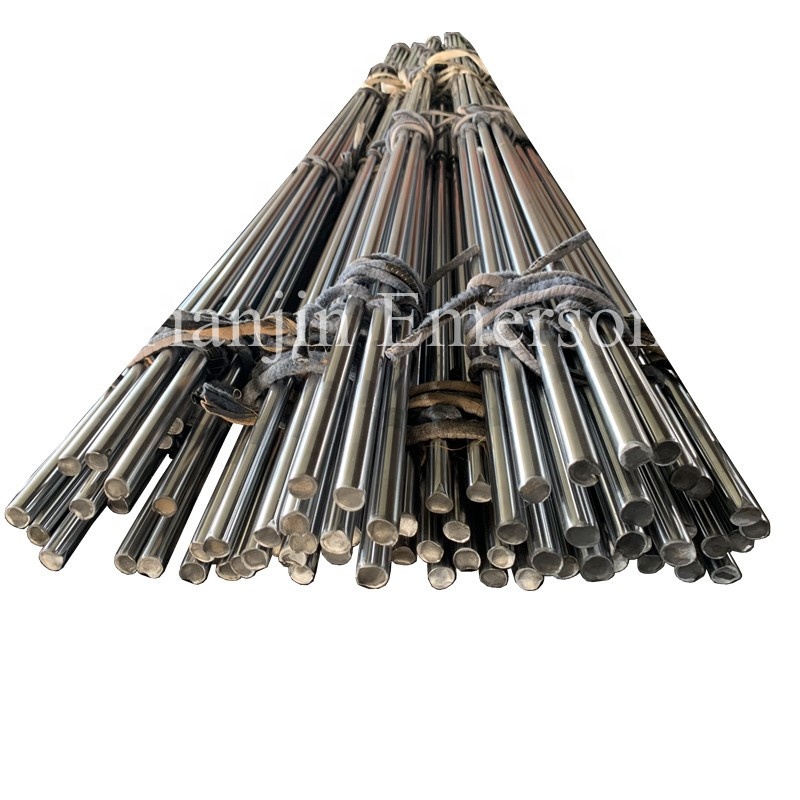
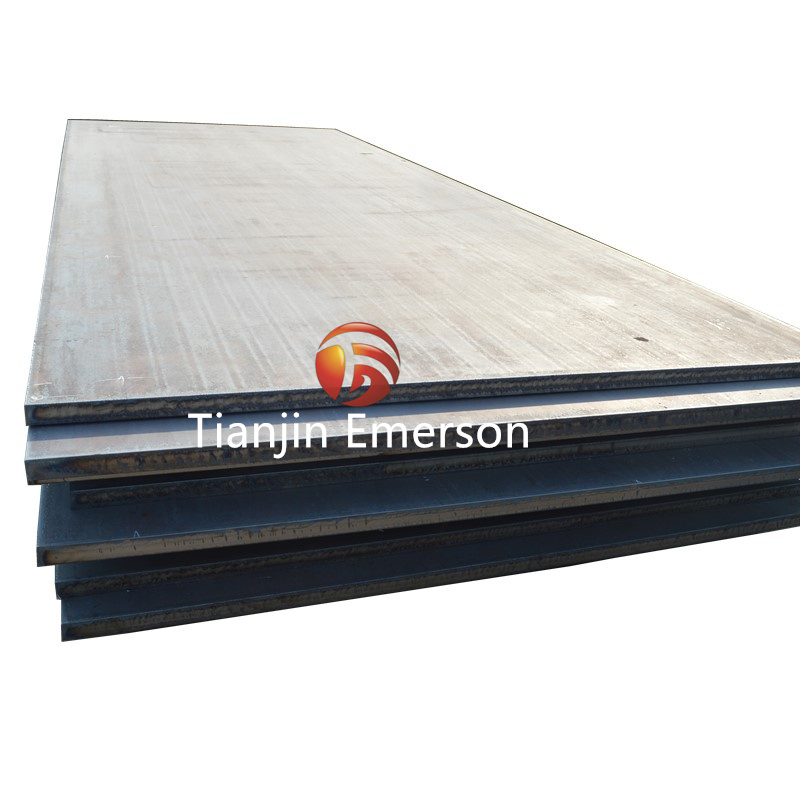
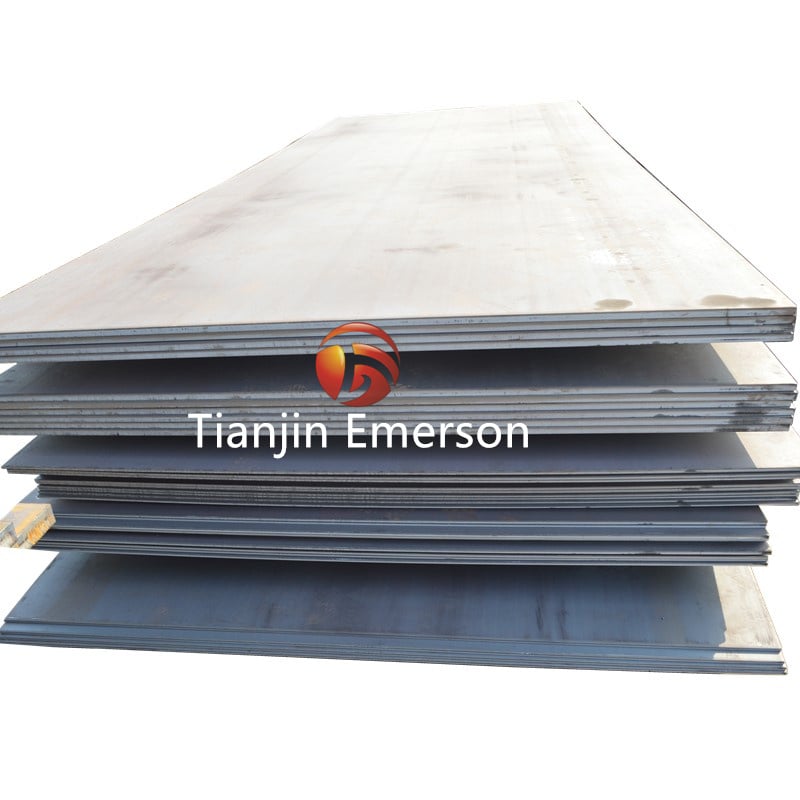
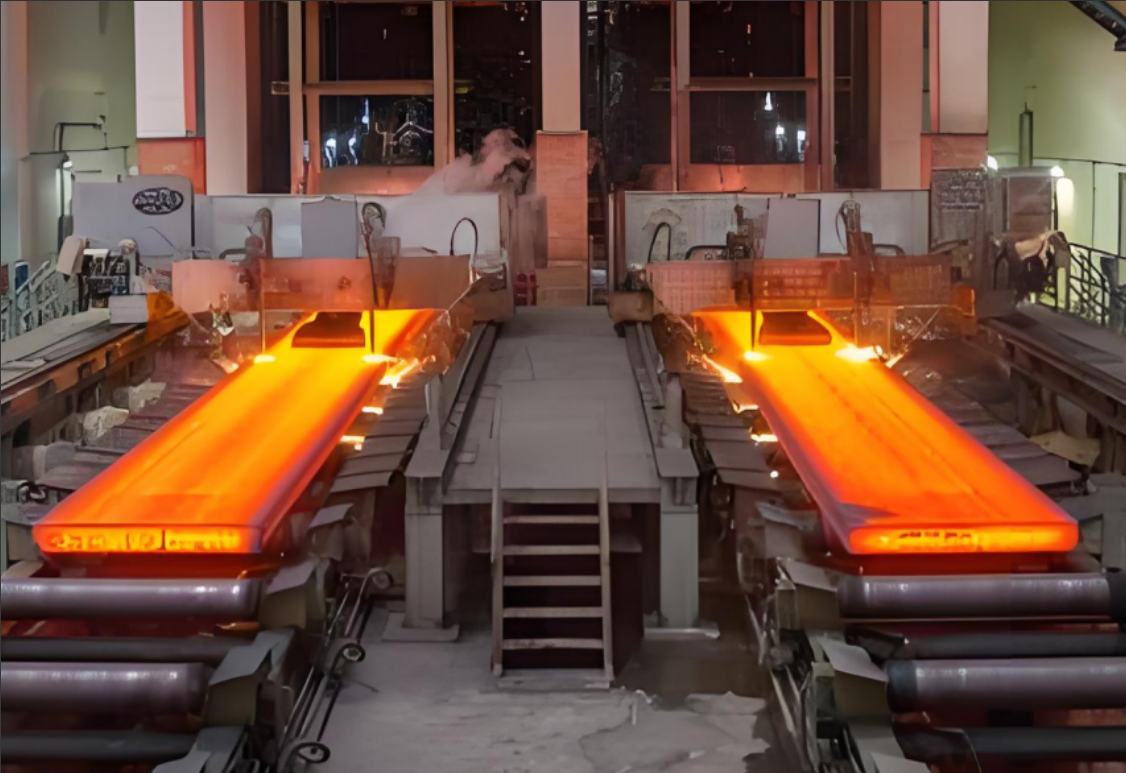
Mild steel bar, also known as low carbon steel bar, is one of the most widely used forms of steel in engineering and construction. As a low carbon grade, it offers an excellent balance of strength, ductility, and workability at a cost-effective price point. Typically containing between 0.05% and 0.30% carbon, mild steel does not contain enough carbon to be hardened by heat treatment, but this very property gives it outstanding formability and weldability.
Chemical Composition and Material Properties
The chemical composition of mild steel bar varies slightly depending on the specific grade, but generally includes carbon (0.05-0.30%), manganese (0.60-0.90%), and minimal amounts of phosphorus (0.04% max) and sulfur (0.05% max). For ASTM A36, one of the most common specifications for mild steel bar, the composition is typically carbon 0.25-0.29%, manganese 1.03%, silicon 0.28%, and iron making up the balance. The density of mild steel is approximately 7.85 g/cm³, which is standard for most carbon steels. This low carbon content ensures the steel can be bent, stretched, or formed without breaking, making it highly versatile for various fabrication processes.
Mechanical Properties and Performance Characteristics
The mechanical properties of mild steel bar make it suitable for a wide range of non-critical structural and general engineering applications. ASTM A36, the most commonly specified mild steel, exhibits a minimum yield strength of approximately 250 MPa (36,000 psi) and an ultimate tensile strength ranging from 400 to 550 MPa (58,000 to 80,000 psi). Elongation at break is typically 20% in 200mm and 23% in 50mm, demonstrating good ductility. The modulus of elasticity is approximately 200 GPa. For cold-finished grades like 1018, yield strength can reach 54 ksi (approximately 372 MPa) with ultimate tensile strength of 64 ksi (approximately 441 MPa). These properties provide sufficient strength for structural components while maintaining the flexibility needed for forming and shaping operations.
Weldability and Fabrication Characteristics
One of the most significant advantages of mild steel bar is its exceptional weldability. ASTM A36 and similar grades can be easily welded using all standard welding processes, including MIG, TIG, and stick welding, producing joints of extremely high quality. The low carbon content eliminates the need for special pre-heating or post-weld treatments in most applications, significantly reducing fabrication time and cost. Machinability is also excellent, with A36 rated at approximately 72% machinability, allowing for efficient cutting, drilling, turning, and milling operations. Cold-finished grades such as 1018 offer even superior surface finish and mechanical properties compared to hot-rolled equivalents. The material can also be readily formed through mild cold bending, hot forming, punching, and similar fabrication methods.
Structural and Construction Applications
Mild steel bar finds extensive use in the construction industry for a variety of structural applications. It is commonly specified for welded, bolted, or riveted construction of bridges, buildings, and general structural frameworks. In concrete construction, mild steel bar serves as rebar, providing the necessary tensile strength to concrete structures and ensuring their stability and longevity. The material is also used for foundational elements, structural frameworks, and support columns. Due to its good yield strength, A36 can be used to design lighter-weight structures and equipment while maintaining structural integrity.
Machinery and Industrial Equipment Applications
In machinery and industrial equipment manufacturing, mild steel bar is frequently specified for components that require a combination of strength, machinability, and durability. It is used for machine shafts, hydraulic systems, gears, pinions, and other mechanical parts. Common applications include axles, ordinary shafts, stud bolts, pinions, gears, forming dies, and tool shanks. The material's ability to withstand repetitive use while maintaining dimensional stability makes it ideal for these applications.
Automotive and Transportation Applications
The automotive industry relies on mild steel bar for numerous components requiring both strength and flexibility. It is used in the production of axles, gear shafts, crankshafts, and various engine components. The material's machinability allows for precision shaping and fitting, while its weldability ensures efficient assembly. Mild steel bar is also employed in the manufacture of transportation equipment, agricultural implements, and vehicle frames.
General Engineering and Fabrication Uses
Beyond heavy industrial applications, mild steel bar is widely used in general engineering for making brackets, supports, reinforcements, and custom fabricated components. It is also popular in DIY projects and home repairs where a strong yet easily workable material is required. Steel rounds are commonly employed in the fabrication of shafts, railings, stakes, and ornamental projects due to their strength, durability, and ease of machining and forming. The material's versatility extends to forming tanks, bins, bearing plates, fixtures, rings, templates, jigs, sprockets, cams, gears, base plates, forgings, and brackets.
Standards and Specifications
Mild steel bar is manufactured according to various international standards including ASTM, JIS, EN, and GB specifications. The most common grade is ASTM A36, which is available in round, square, and flat bar forms. Standard diameters for round bars typically range from 6mm to 300mm, with common sizes including 6, 8, 12, 16, 20, 25, 32, 40, and 50mm. Lengths are commonly supplied from 1 to 12 meters, with custom sizes available upon request. Surface finishes include bright, polished, and black options.