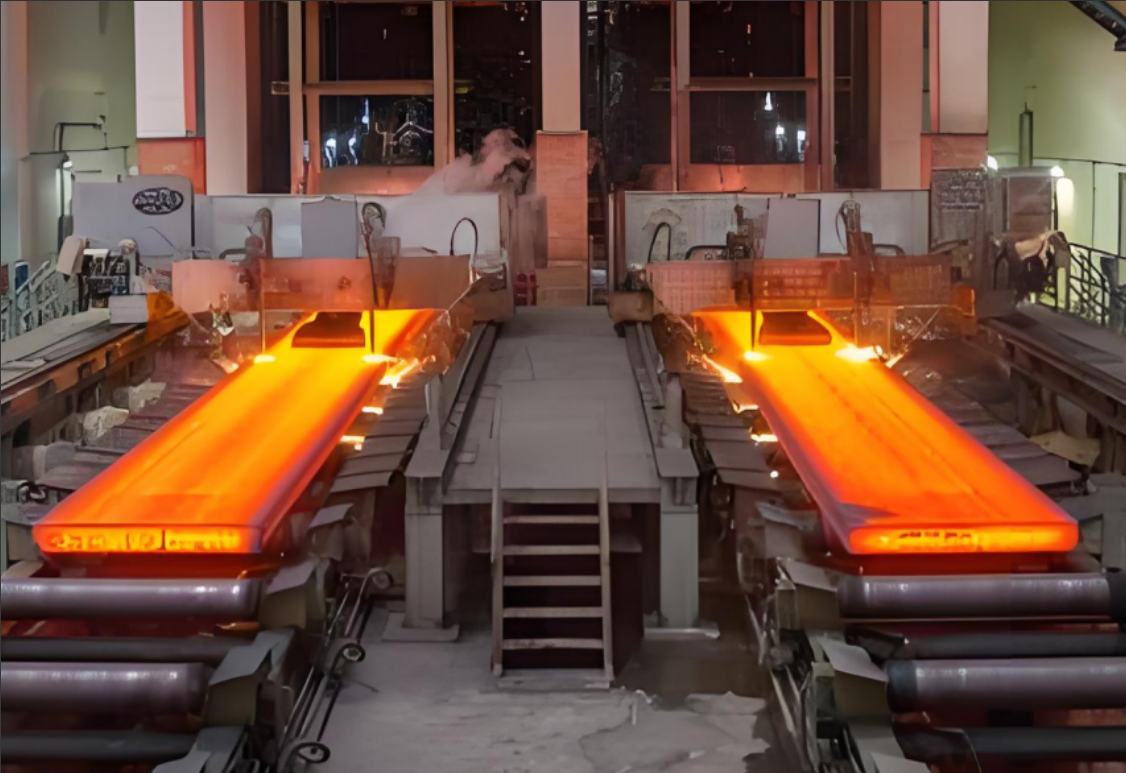
Continuous Processing: The Foundation of High-Volume Production
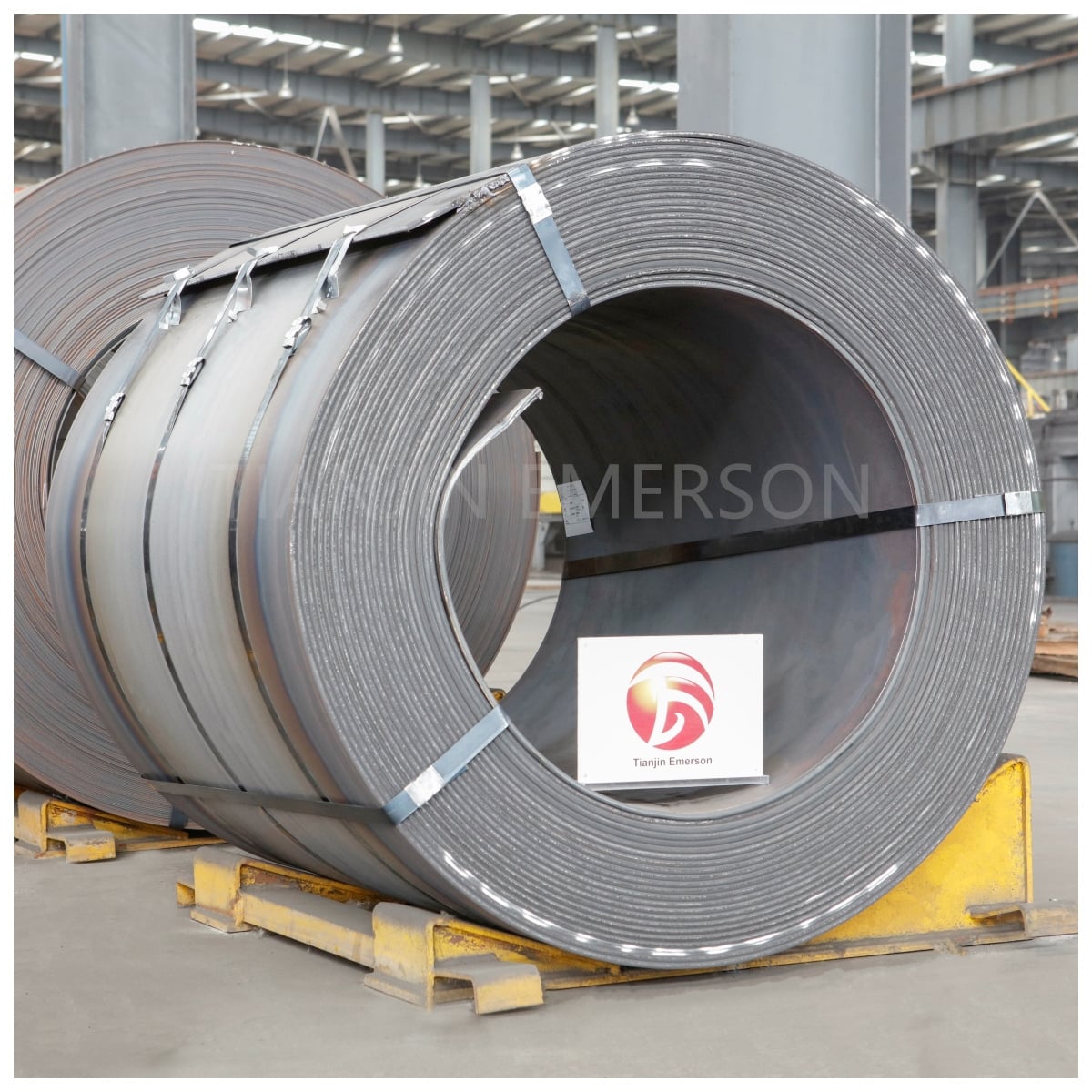
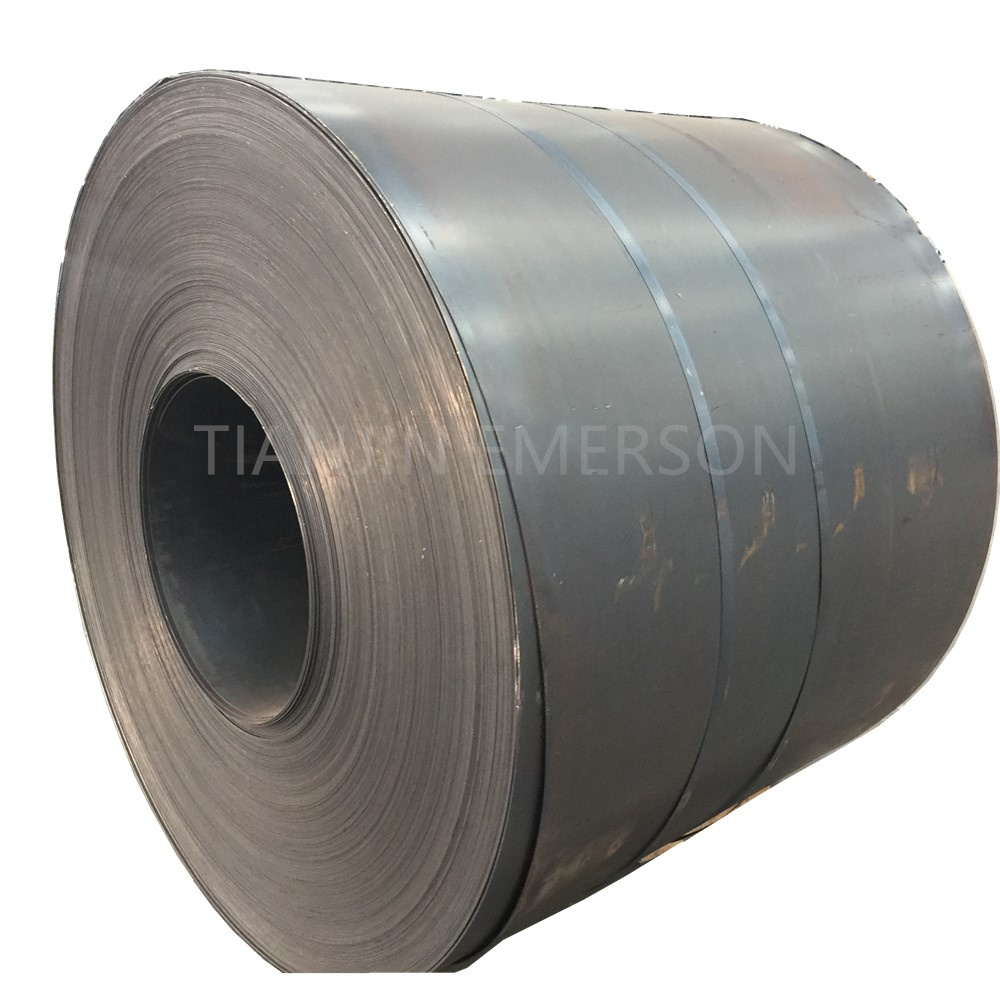
By enabling continuous, uninterrupted processing operations, steel coils have revolutionized the efficiency of metal fabrication, eliminating the “start-stop-start” cycle inherent in sheet metal processing. When manufacturers use steel coils, material can be fed continuously into automated production lines—including roll formers, high-speed presses, tube mills, and slitting lines—without the need for constant reloading, repositioning, or handling of individual sheets. This continuous-flow architecture significantly reduces downtime, whereas in traditional sheet-fed operations, downtime caused by loading, alignment, and die changes can account for 15% to 25% of total production time. The continuity of coil processing also allows sequential operations to be more tightly integrated—coils can be uncoiled, leveled, cut, formed, and even welded or assembled on a single synchronized production line, thereby eliminating work-in-process inventory, handling costs, and quality fluctuations associated with transferring parts between different processes.
Material Utilization: Minimizing Waste Through Precision Sizing
The efficient utilization of raw materials is one of the key factors in improving processing efficiency. Compared to standard sheet sizes, steel coils offer significant advantages in optimizing material utilization. When fabricators purchase steel coils instead of pre-cut sheets, they can specify precise widths through the slitting process and precise lengths through cut-to-length processing, thereby ensuring that material dimensions precisely match the requirements of the finished parts. This customization capability eliminates the substantial waste typically generated when nesting on standard 48-inch or 60-inch wide sheets—where edge scrap and end remnants can account for 10% to 15% of total material consumption. In contrast, coil processing achieves material utilization rates exceeding 90% by precisely matching the coil width to the part’s unfolded width and programming cutting lengths that optimize the layout along the length of the coil.For manufacturers producing complex sheet metal parts, sourcing coiled material that meets precise width specifications can help avoid the waste of scrap material that results from cutting from wider sheets.
Reduced Handling and Inventory Costs
Shifting from sheet metal processing to coil processing can significantly reduce material handling requirements and associated costs throughout the manufacturing supply chain. Steel coils arrive at the processing plant in a compact, unitized form—typically weighing 5 to 15 metric tons per coil—effectively consolidating hundreds of individual sheets into a single, easily manageable unit. This consolidation reduces the receiving operations, storage space, and number of handling operations required to bring the material into production. Compared to manually stacking, destacking, and feeding individual steel sheets into presses or laser cutters—operations that are not only labor-intensive and prolong production cycles but can also cause surface damage—coil processing requires only a single loading of the master coil onto an uncoiler, after which the automated production line handles feeding automatically throughout the entire production process.Compared to stacked sheets, coiled material offers significantly higher storage space efficiency; a single coil requires only about 2 square meters of floor space yet can hold a volume of material equivalent to 50 to 100 square meters of sheet shelving space. This space efficiency directly translates to lower storage costs and enables manufacturers to maintain larger, more strategic material inventories without expanding their facility footprint. Furthermore, the coil format reduces work-in-process inventory, as materials flow continuously from raw materials to finished goods without accumulating semi-finished sheets or blanks between production stages.
Compatibility with Advanced Finishing and Processing
The compatibility of steel coils with in-line surface treatment and processing operations enables manufacturers to integrate multiple production steps into a single continuous production process, thereby significantly shortening production cycles and eliminating the need for material handling between processes. Pre-painted galvanized steel coils (PPGI) and galvanized-aluminum steel coils arrive at the processing plant with their surface treatment already completed, so formed parts can be discharged directly from the production line with a complete coating—eliminating the need for separate spray painting or powder coating processes for sheet metal feedstock after processing. In welded pipe production, coiled material is fed directly into forming and welding lines, producing finished pipes through a single continuous process from the original coil to cutting and packaging of the finished product. In HVAC manufacturing, coiled material is processed by roll forming machines, cut to length, and automatically assembled into finished ductwork without the need for intermediate handling.Integrating slitting, leveling, and trimming functions into the feeding system means that coil stock can be precisely prepared for subsequent processes without the need for separate pre-processing steps. For manufacturers producing components that require in-line coating, heat treatment, or surface finishing, coil feeding production lines can integrate these processes between the uncoiler and the forming station, enabling a seamless flow from raw material to finished component. This process integration—made possible by the inherent continuity of steel coils—is one of the most effective ways to improve manufacturing efficiency, reduce labor costs, shorten lead times, and enhance quality consistency throughout the entire production cycle.