Environmental Control: Humidity and Temperature Management
During the storage of steel coils, the primary measure to prevent rust is to strictly control the storage environment, as moisture in the air is the main factor causing steel oxidation. Relative humidity should always be kept below 40%, with an ideal target of approximately 30%. When ambient humidity exceeds 60%, the rate of electrochemical corrosion on the steel surface increases significantly. Temperature management is equally critical; the storage area for steel coils must maintain a stable temperature to prevent condensation—when the coil temperature falls below the air’s dew point, moisture condenses on the metal surface, forming an electrolyte layer that accelerates corrosion. Large-scale storage facilities should be equipped with industrial-grade dehumidification systems, including desiccant dehumidifiers or refrigerant-based dehumidifiers, to ensure the interior remains consistently dry. For open-air storage yards lacking climate control capabilities, proper covering is essential. Waterproof tarps or specialized coil covers should be used, ensuring sufficient ventilation space is left beneath them to prevent ground moisture from evaporating and accumulating at the base of the coils. Seasonal humidity fluctuations require special attention; during rainy seasons, monsoon periods, or in coastal areas with persistently high humidity, inspection frequency should be increased, and auxiliary dehumidification equipment should be activated as needed.
Packaging Protection: Anti-Corrosion Materials and Sealing Techniques
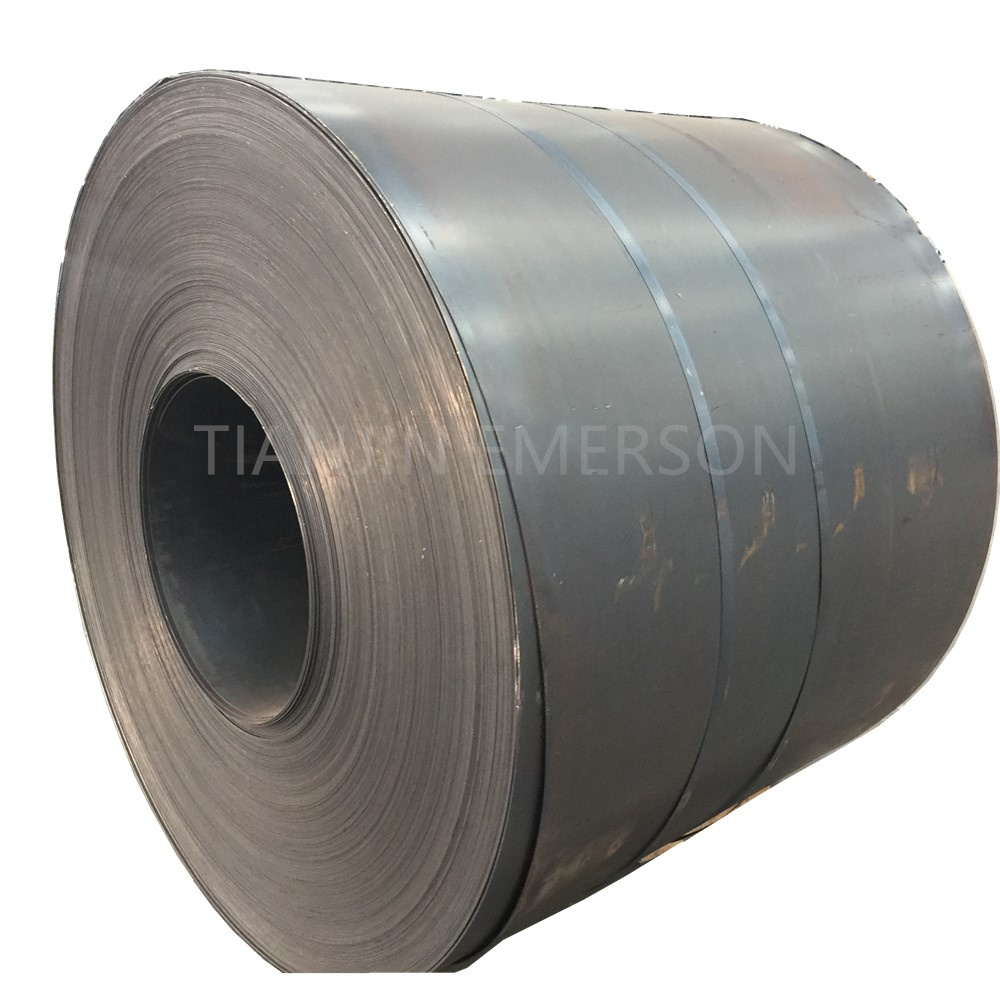
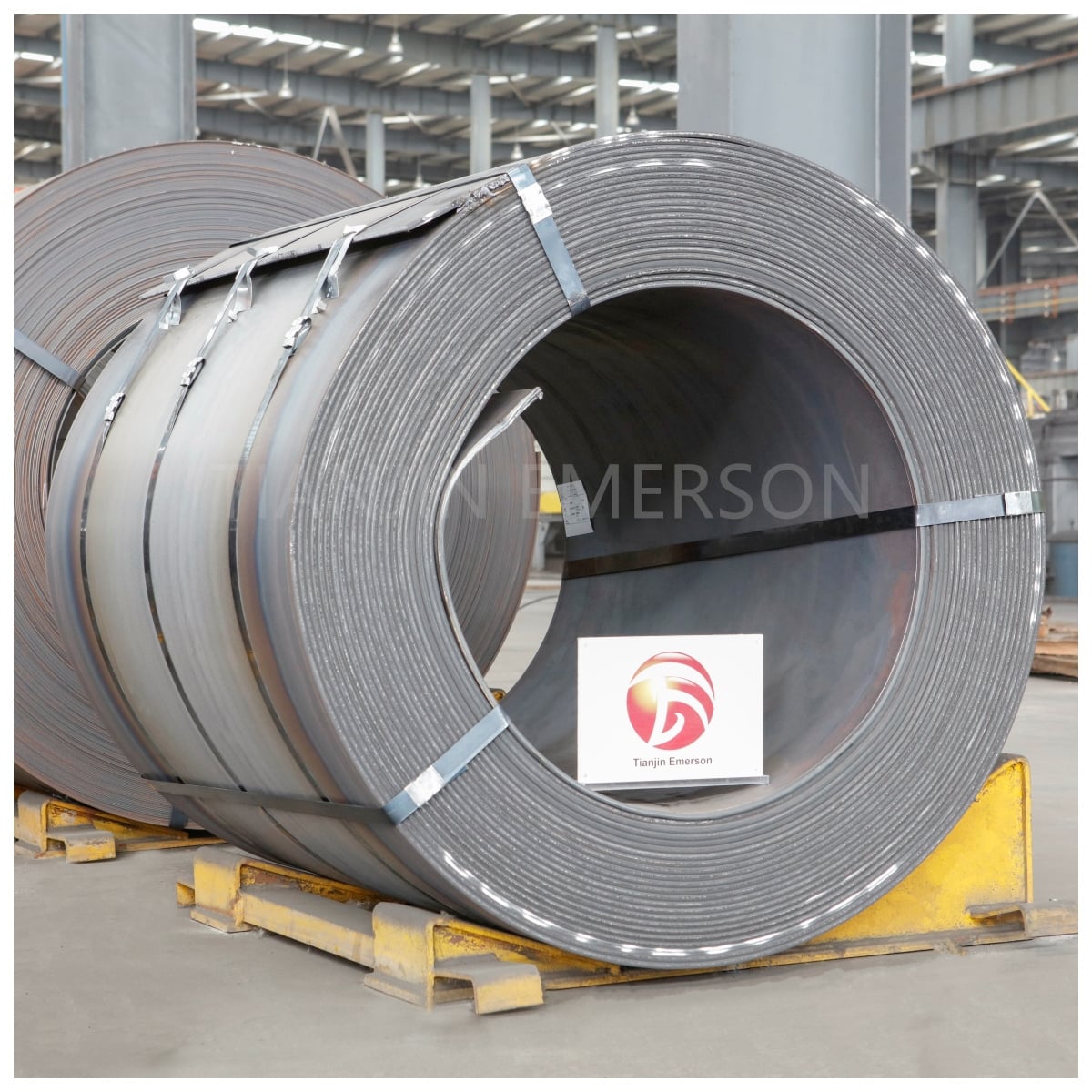
The initial packaging protection of steel coils prior to warehousing serves as the first line of defense against corrosion and directly determines the effectiveness of rust prevention throughout the entire storage period. For cold-rolled steel coils, galvanized steel coils, and precision stamping-grade steel, Volatile Corrosion Inhibitor (VCI) packaging technology should be employed, utilizing VCI paper or VCI film to release volatile corrosion inhibitors onto the metal surface. The inhibitor molecules released by these materials adsorb onto the metal surface, forming a monomolecular protective layer that effectively blocks oxygen and moisture from coming into contact with the steel substrate. For long-term storage or export transportation, multi-layer packaging protection should be implemented: the inner layer consists of VCI paper tightly wrapped around the steel coil, the middle layer is a waterproof plastic film, and the outer layer is securely strapped with steel bands. Desiccant packets should also be added based on transportation and storage conditions. The integrity of the packaging seal is critical—all overlaps must be fully overlapped and sealed with tape to prevent moisture from seeping through gaps.For hot-rolled steel coils with natural mill scale on their surfaces, the primary protective measure is to prevent direct contact with moisture and avoid prolonged exposure to high-humidity environments. Typically, using waterproof covers in conjunction with wooden padding at the base to ensure ventilation is sufficient to meet these requirements. Once packaging is complete, the ends of the steel coils are the areas most prone to corrosion; therefore, additional protection should be provided by installing end caps or using reinforced VCI rust-preventive paper.
Stacking Principles: Ventilation and Segregation Requirements
Proper stacking methods are crucial for preventing steel coils from rusting during storage; the primary objective is to promote air circulation and prevent moisture buildup. Steel coils should be stacked in a staggered or interlocking pattern, with dry wooden spacers or specialized rubber pads placed between each layer to maintain sufficient gaps for air circulation and prevent moisture from accumulating on the contact surfaces. Concrete blocks or metal pallets should be used to elevate the base of the stack at least 150 millimeters above the ground to isolate the steel coils from ground moisture. Steel coils of different materials should be stored separately based on their corrosion resistance; galvanized and pre-painted steel coils should be stored separately from bare steel coils to prevent electrochemical corrosion caused by potential differences between dissimilar metals.Coils should be stacked in the warehouse in the direction of the prevailing airflow to ensure that air can circulate through the gaps between stacks, avoid creating dead zones, and prevent moisture buildup caused by stagnant air. For coils requiring long-term storage, it is recommended to periodically rotate or reposition them every one to two months to alter the contact points and prevent localized corrosion where the coils come into contact with the packing material. For goods exported by sea, special precautions must be taken to address “container rain” (i.e., condensation formed inside the container due to temperature fluctuations). Specific measures include placing desiccant packets and moisture-absorbing materials, and ensuring that packaging is completely sealed before loading.