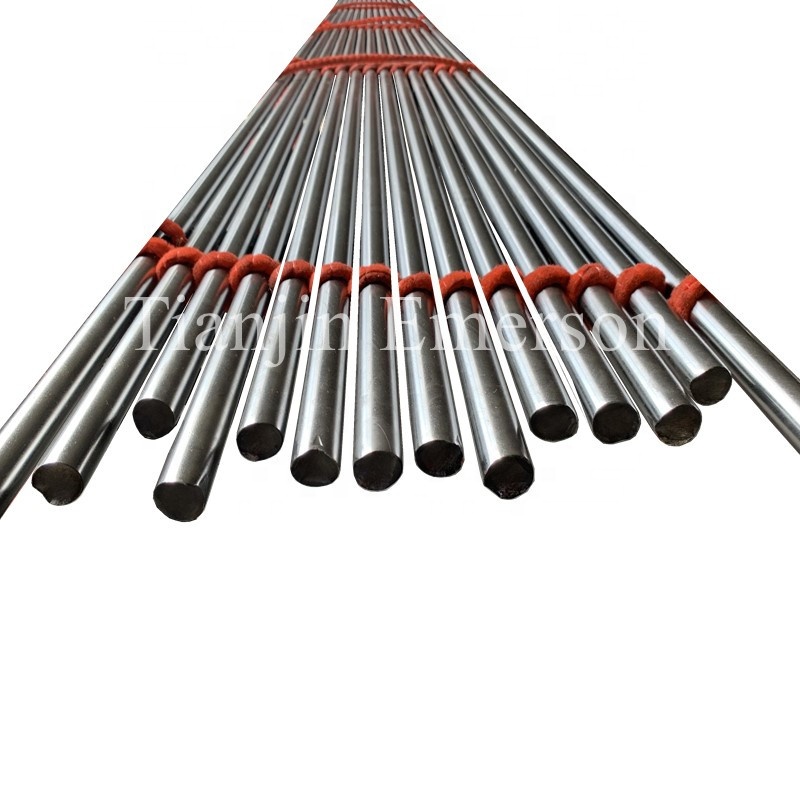
Bright-finished steel bars are a high-end category of cold-rolled steel products. They are characterized by an extremely smooth and clean surface, precise dimensional tolerances, and superior mechanical properties compared to conventional hot-rolled steel bars. Their surfaces are clean and free of scale, and they are typically polished, standing in stark contrast to the rough, heavily oxidized surfaces of standard hot-rolled steel bars. This surface quality is achieved through a specialized cold precision rolling process, which refines hot-rolled billets without heating, thereby fundamentally altering their physical properties and performance characteristics.
The manufacture of bright steel bars primarily involves two cold-working processes, each suited to specific requirements and material grades. The most common method is cold drawing, in which hot-rolled bars are first pickled in an acid bath to remove surface scale, then coated with lubricant at room temperature and drawn through tungsten carbide dies. The other method involves producing peeled or turned bright bars, in which hot-rolled bars are fed into a turning machine to achieve the desired diameter by removing the outer surface layer, resulting in a decarburization-free surface that is well-suited for applications such as induction hardening. For applications requiring the highest precision and surface quality, these bars may also require additional processes such as centerless grinding or polishing.
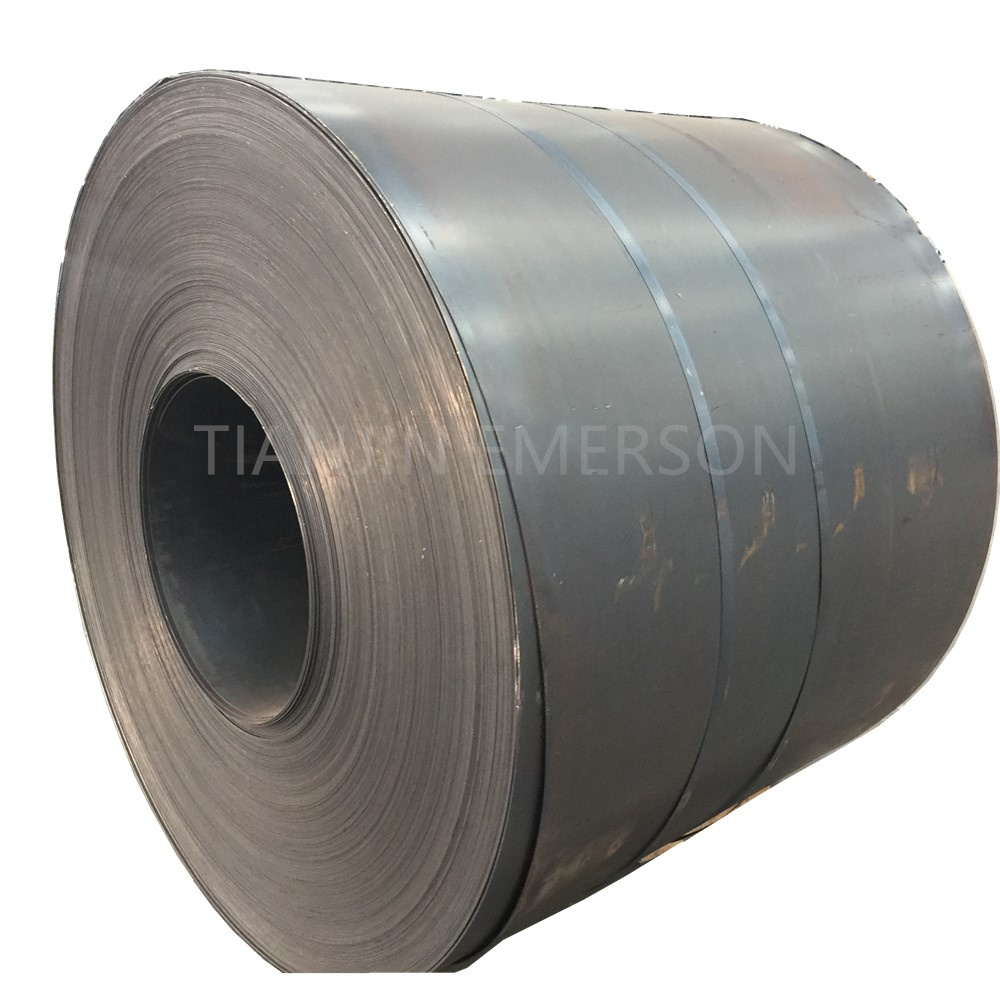
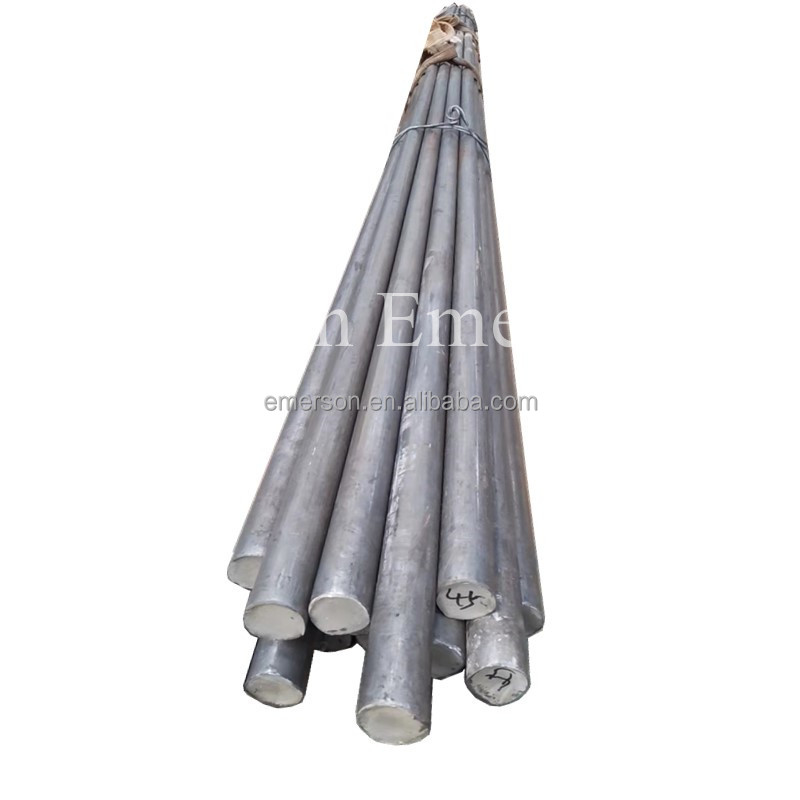
The differences between bright steel bars and ordinary hot-rolled steel bars are significant and directly influence material selection in precision engineering applications. Hot-rolled steel bars are produced at temperatures exceeding the steel’s recrystallization point. They typically feature a dark, scale-covered surface, have wider dimensional tolerances (usually ±0.009 inches for a 1-inch diameter), and their mechanical properties are primarily determined by chemical composition and cooling rate. In contrast, bright bars offer distinct advantages. First, the cold-finishing process imparts a bright, smooth, and scale-free surface, thereby preventing tool wear and contaminant adhesion caused by scale; its surface roughness is typically far superior to that of hot-rolled products. Second, dimensional accuracy is significantly improved; the tolerance range for bright bars is approximately 0.10 mm (depending on diameter), which is four times tighter than that of comparable hot-rolled products.Third, cold working can increase yield strength and tensile strength by approximately 10% to 20%, typically without the need for subsequent costly heat treatment. Fourth, and most importantly for manufacturing efficiency, bright bars offer superior machinability, enabling higher cutting speeds, achieving a better surface finish on machined parts, extending tool life, and being suitable for automatic lathes where hot-rolled bars cannot be used effectively.
The material grades of bright steel bars include a wide range of carbon steel, alloy steel, and stainless steel grades. Common carbon steel grades include 1018 for general machining, 1045 for high-strength applications, and free-cutting steel grades such as 12L14 and 1215—these grades incorporate lead, sulfur, and phosphorus to improve chip formation and enhance surface finish during high-speed machining. Alloy steel grades include 4140, 4340, and 8620, which offer higher strength, hardenability, and toughness, making them suitable for demanding applications such as gears, shafts, and power transmission components. Stainless steel bright bars are available in austenitic (such as 304 and 316) as well as martensitic and ferritic grades, combining corrosion resistance with exceptional surface finish and dimensional accuracy—properties that are critical for applications such as food processing, medical devices, and architectural components. Sizes range from 3 mm to 600 mm in diameter, and various shapes—including round, square, hexagonal, and flat bars—are available to meet specific design requirements.