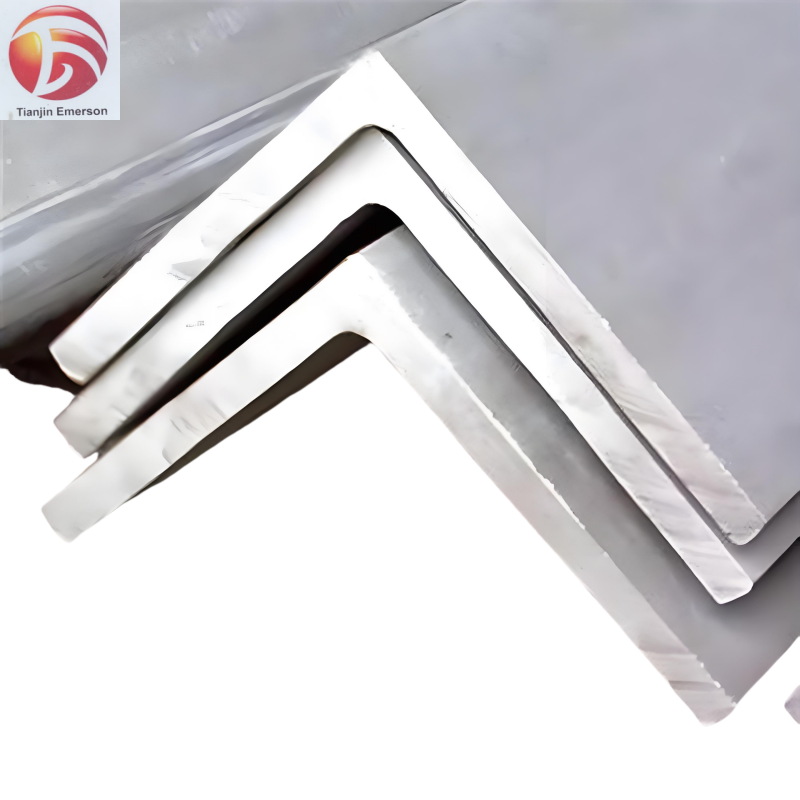
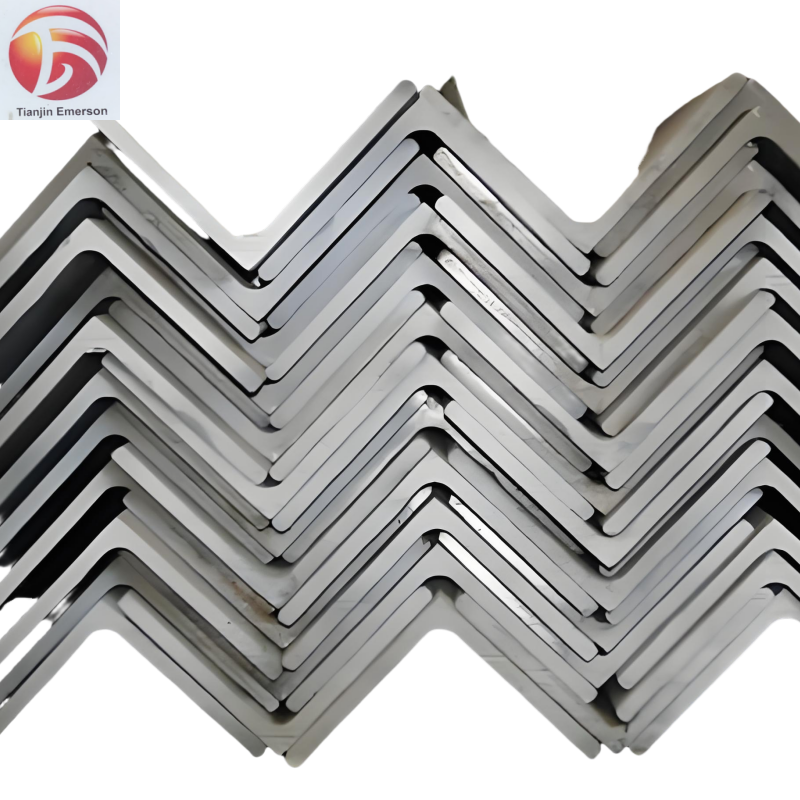
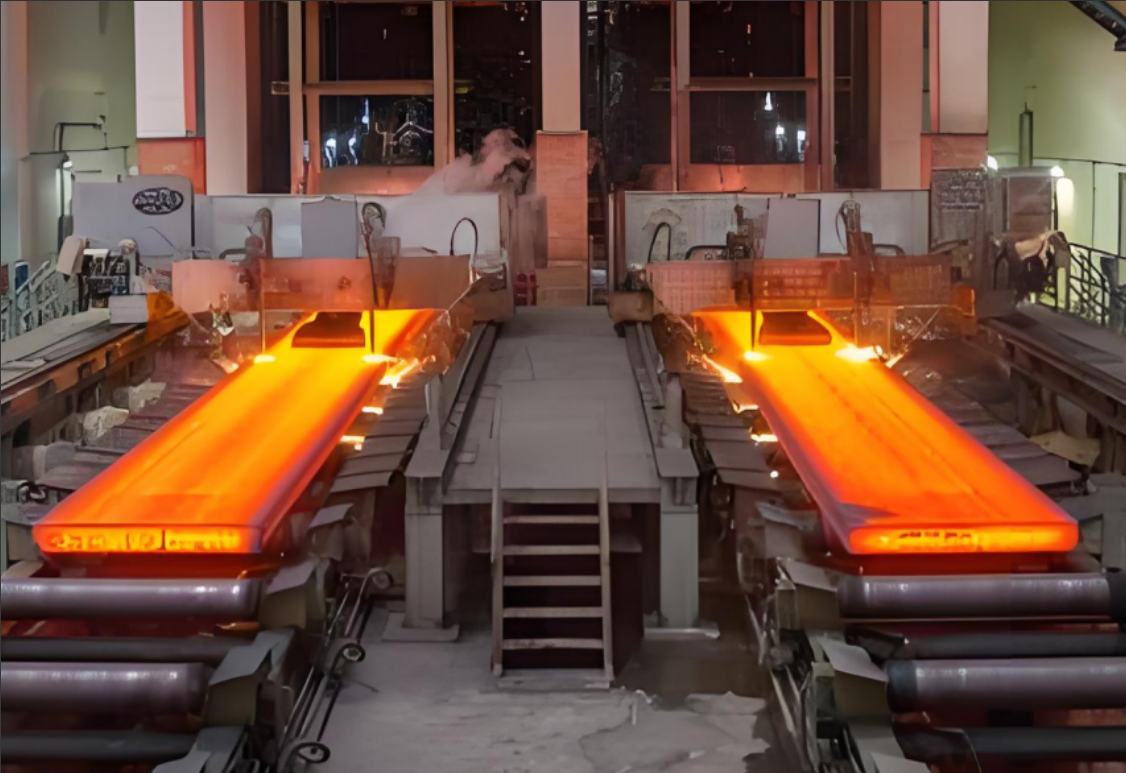
The selection between hot-rolled angle steel and cold-formed angle steel significantly impacts suitability for material properties, manufacturing processes, and end applications. While both products share similar geometric shapes, they possess distinct characteristics due to their entirely different manufacturing processes. Hot-rolled angles are primarily manufactured through a rolling process: continuously cast billets are reheated to a plastic state (typically above 1100°C) and then continuously rolled and shaped through a series of forming rolls. This hot-working process refines the steel's grain structure, imparting excellent ductility and toughness to the product. However, it creates characteristic rolling scale on the surface, and dimensional tolerance precision is somewhat lower compared to cold-formed angle steel. Cold-formed angles are classified as secondary processed products and are manufactured at room temperature. Flat steel strips (either hot-rolled or cold-rolled acid-washed oil-dipped steel strips can be selected) are fed into a roll forming machine and rolled into shape using precision forming rolls.This cold-working process strain-hardens the steel, increasing its yield and tensile strength but simultaneously reducing its ductility. The cold-formed product boasts superior surface quality, tighter dimensional accuracy, and the ability to be produced in a wider variety of custom thicknesses and leg lengths from the same base material, though it is generally limited to lighter gauge sections.
The inherent differences in properties between these two types of angle steel require customized measures in subsequent processing and manufacturing steps. For hot-rolled angle steel, it is generally necessary to remove the difficult-to-remove rolled oxide scale through spray sanding or acid cleaning processes to ensure weld quality and coating adhesion. Its ductility facilitates heavy welding, large-angle bending (requiring compliance with minimum bend radius requirements), and other forming operations, with a low risk of cracking. When welding hot-rolled angle steel, standard procedures for the selected specification (e.g., ASTM A36 or A572) must be followed, but material cleanliness is critically important. Conversely, cold-formed angle steel requires more precise processing methods due to its work-hardening characteristics and potentially sharper internal corner radii resulting from the forming process.While the increased strength is certainly advantageous, the formed section exhibits greater limitations in bending operations and is more prone to cracking, particularly when the bending direction opposes the grain orientation from cold working. Therefore, when welding cold-formed sections, heat input must be strictly controlled to prevent a reduction in strength within the heat-affected zone.
The selection of these products is ultimately determined by the structural and economic requirements of the application field. Hot-rolled angles are undoubtedly the top choice for primary structural frames requiring high load-bearing capacity, impact resistance, and weldability. Their applications form the foundation of heavy industry: construction and bridge engineering, structural support for industrial plants, heavy machinery frames, shipbuilding, and more. Cold-formed angles demonstrate superiority in fields where precision, aesthetics, and light-to-medium structural performance are prioritized. They are widely used in corner sections and corner support metal components for metal buildings, warehouse systems, electrical machinery frames, architectural trim lines, interior partitions, various equipment cabinets, and enclosures. Their smooth surface allows for direct painting, and their excellent dimensional stability makes them an ideal choice for manufacturing sites.