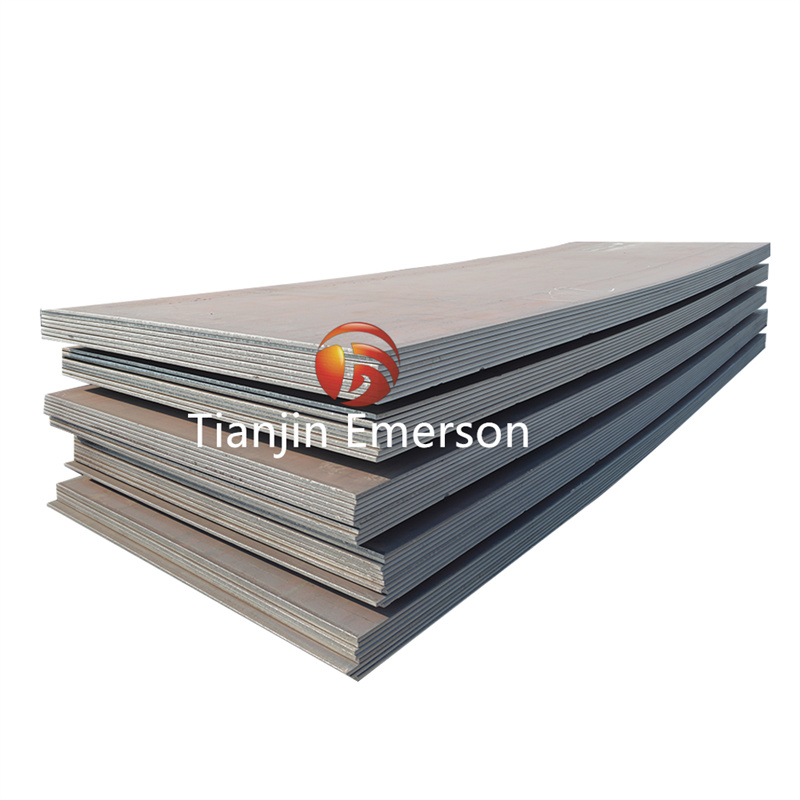
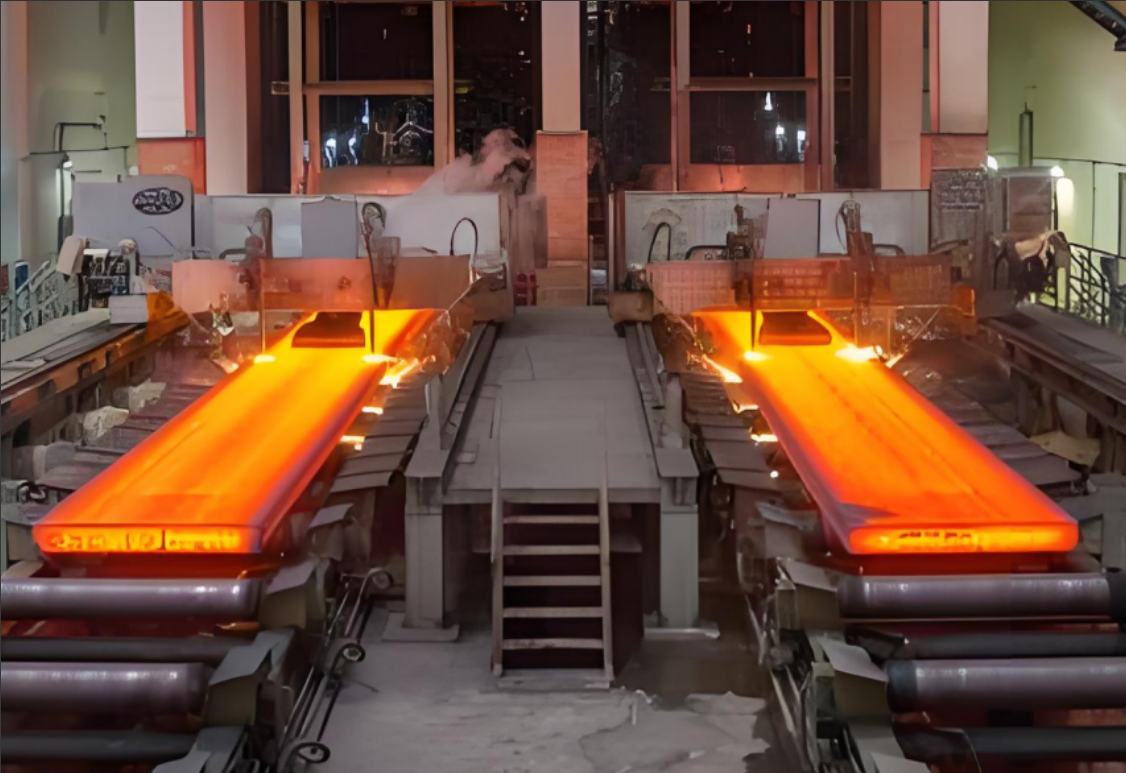
The selection and fabrication of shipbuilding steel plates constitute a critical discipline in naval engineering, where material integrity directly impacts vessel safety, structural longevity, and operational performance under demanding conditions. As a specialized metal supplier and fabricator with extensive experience in marine projects, we provide comprehensive solutions for diverse shipbuilding applications—from certified material sourcing and precision cutting to complex fabrication. The primary consideration in material selection is compliance with stringent international maritime certification standards. These standards not only regulate chemical composition but also encompass mechanical properties and low-temperature impact toughness.These grades are typically classified by strength level (e.g., A, B, D, E, AH32, AH36, DH36) and guaranteed impact toughness temperature, where Grade “A” is suitable for general applications, while Grades ‘D’/“E” are specifically designated for critical structural areas requiring enhanced low-temperature toughness to prevent brittle fracture in ice water. This stringent classification system ensures the steel possesses the necessary yield strength (typically 235 MPa for conventional grades and 315-355 MPa for high-strength grades), tensile strength, and elongation to withstand hull beam bending stresses, dynamic wave loads, and localized pressures.
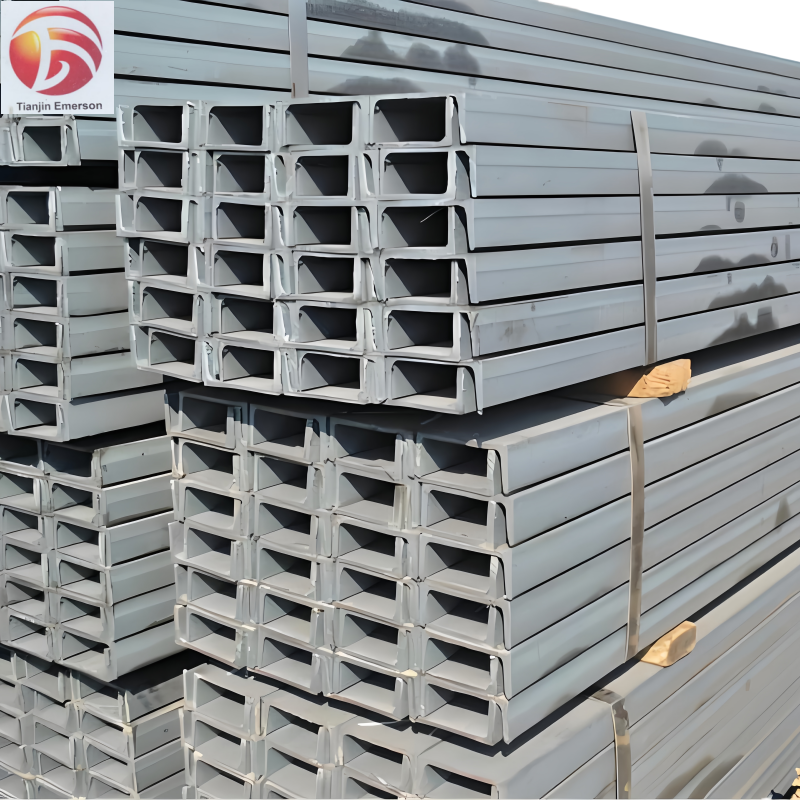
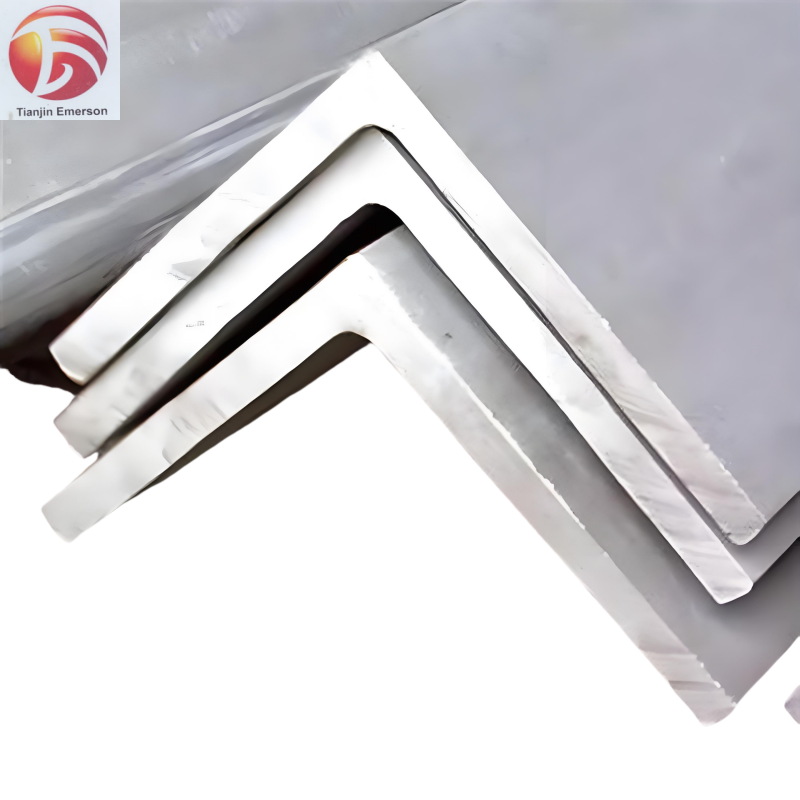
The dimensional parameters of ship steel plates—particularly thickness and width—are determined by structural design calculations for different areas of the vessel. Steel plate thickness varies widely, with large commercial ships and offshore structures commonly employing plates ranging from 6 mm to 50 mm or even thicker. Thinner plates (e.g., 6-15 mm) are typically used for non-critical bulkheads, superstructure components, and internal decks. Thicker plates (20 mm and above) are specifically designated for areas subjected to maximum overall and localized stresses, such as keels, bottom plates, side shells, and main deck regions. We possess the capability to supply and process steel plates of all specifications. These can be precision-cut to exact dimensions from either plate stock or coils, ensuring optimal material utilization and minimizing waste during shipyard plate layout. Beyond hull applications, marine-grade steel is extensively used in offshore oil and gas platforms (requiring higher strength grades like AH40/FH40), lock gates, floating barges, and large-scale marine infrastructure projects.
The manufacturing of shipbuilding steel plates requires specialized expertise to maintain certified performance. The foremost consideration is welding procedures—the primary joining method in shipbuilding. Welding programs must be certified for specific steel grades and thicknesses, with strict control over heat input, preheat temperatures, and interpass temperatures to prevent excessive heat-affected zones. Our facility rigorously adheres to qualified cutting operation specifications and welding procedure specifications throughout the entire production process. Additionally, cold forming processes (such as bending hull plates) must meet minimum bend radius requirements to avoid excessive material stress. As a full-service partner, we provide certified materials with complete traceability (including mill certificates), perform precision cutting and beveling for welding preparation, execute certified welding on subassemblies, and deliver surface preparation processes like SA 2.5-compliant sandblasting. This knowledge-driven integrated approach ensures every marine steel plate we supply or process contributes to building safer, more durable, and more reliable vessels or offshore structures.