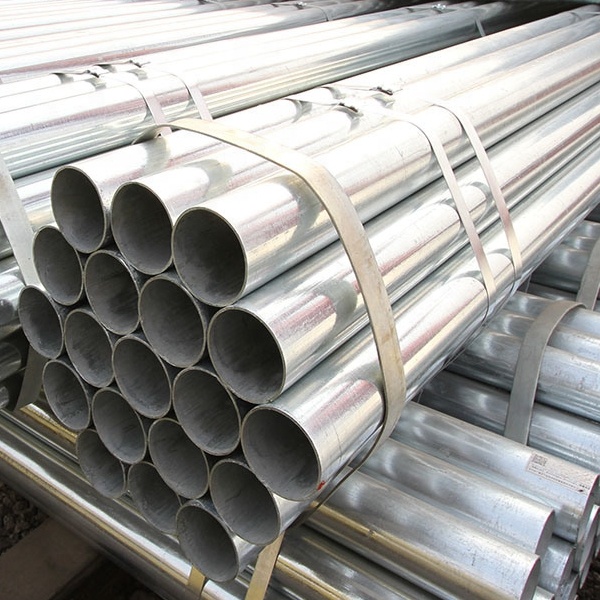
The hot-dip galvanizing process subjects standard carbon steel pipes to a metallurgical transformation, creating a protective zinc layer that bonds firmly to both inner and outer surfaces. This forms a composite material offering exceptional durability and longevity. This process fundamentally differs from simple painting or electroplating: the zinc-iron alloy layer formed during immersion achieves a metallurgical bond with the base steel. This coating provides dual protection: it forms a physical barrier against corrosive elements, and more critically, when exposed steel appears at pipe edges or scratches, the zinc layer corrodes preferentially to shield the substrate. This unique combination enables hot-dip galvanized steel pipes to last over 50 years in most environments, with coating thickness typically ranging from 45 to 125 microns based on application requirements.
The critical process in hot-dip galvanized pipe production is surface pretreatment. First, degreasing removes oils, lubricants, and workshop contaminants accumulated during manufacturing and handling. Following degreasing, the pipes undergo acid pickling, where they are immersed in heated acid solution (typically hydrochloric or sulfuric acid) to dissolve mill scale, iron oxide, and rust from the steel surface, exposing a chemically clean and active base metal. The pickling process requires precise control: insufficient pickling leaves scale residues that impair zinc coating adhesion, while excessive pickling may cause hydrogen embrittlement or excessive surface roughening. After pickling, pipes must be thoroughly rinsed to remove acid residues and salts, preventing contamination of subsequent process baths.After cleaning, the pipes enter the immersion stage, where they are submerged in a zinc ammonium chloride solution. For optimal results, the immersed pipes may undergo a preheating treatment to remove moisture and activate the immersion coating before proceeding to the zinc bath.
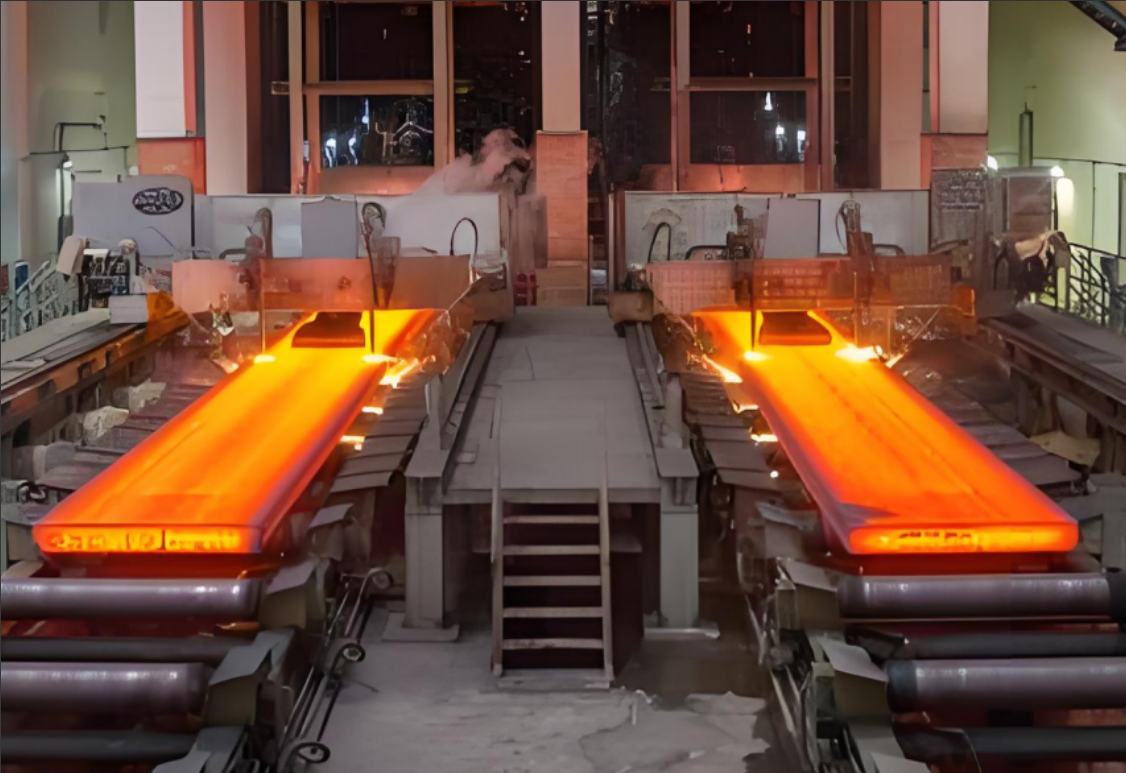
The pretreated steel pipe is immersed in molten zinc at approximately 450°C (840°F). This temperature must be precisely controlled: sufficiently high to maintain zinc fluidity and promote metallurgical reactions, yet not so high as to cause excessive alloy growth or compromise the steel's mechanical properties. As the pipe is withdrawn from the zinc bath, excess zinc is removed via controlled air knives or high-pressure blow-off systems. This ensures uniform coating thickness while eliminating drips, sagging, and surface irregularities. For hollow sections, internal blow-off processes force air through the pipe to remove excess zinc from the interior, creating a smooth, uniform inner coating—a critical step for applications requiring internal corrosion protection. Following galvanization, pipes undergo controlled cooling via air or water quenching to solidify the coating and stabilize the metallurgical structure.
Hot-dip galvanized pipes find applications across virtually every sector of industrial infrastructure. Thanks to their corrosion resistance, mechanical strength, and cost-effectiveness, these products are widely used in water supply and wastewater treatment systems, construction projects and industrial facilities, transportation and infrastructure sectors, as well as marine and coastal environments.