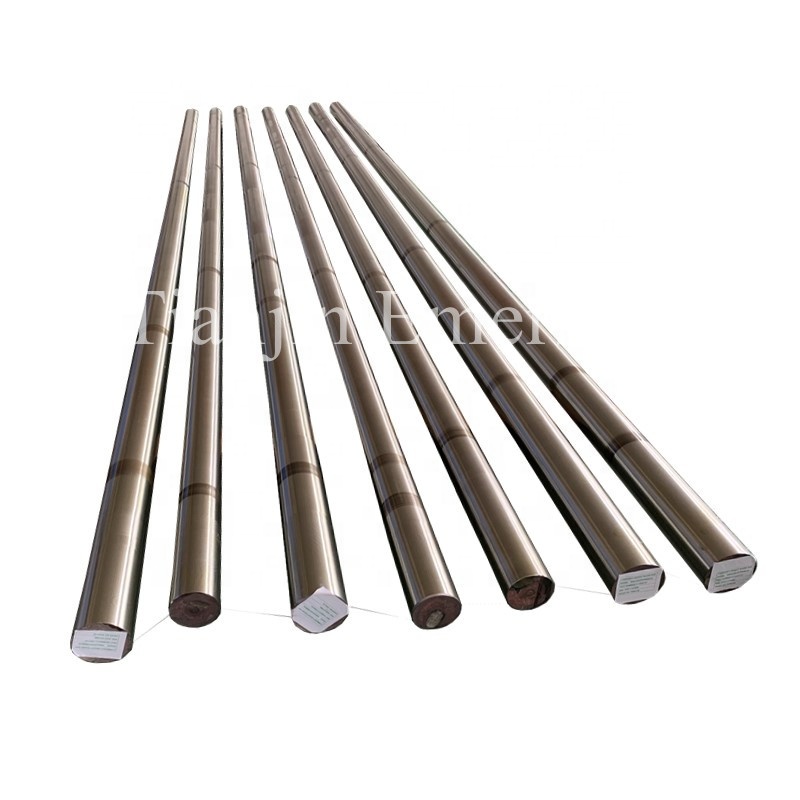
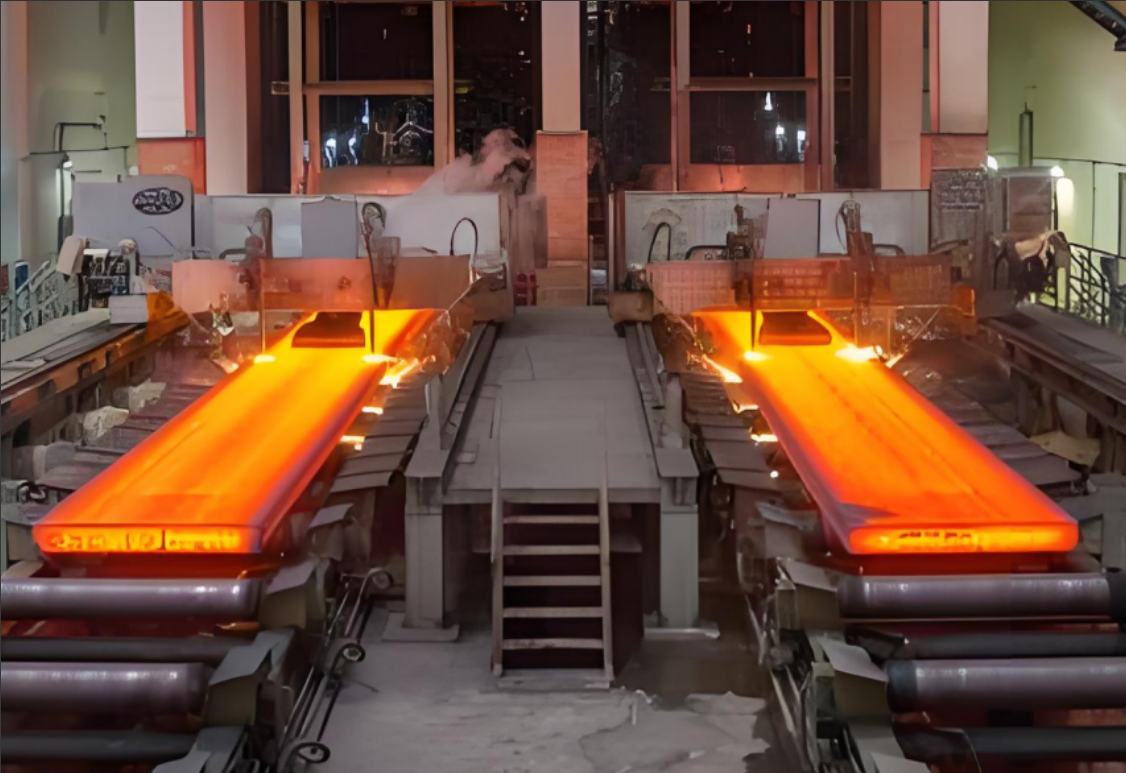
Round bars, as fundamental cylindrical metal blanks, serve as the core raw material for machined components, structural elements, and custom parts across virtually all industrial sectors. The selection of material and subsequent processing represent critical engineering decisions that directly determine the performance, durability, and cost-effectiveness of the final product.First, we select materials through detailed analysis of mechanical properties, environmental adaptability, and cost-effectiveness. For general applications requiring good machinability, weldability, and cost efficiency, low-carbon steel grades such as 1018 and A36 are standard choices for shafts, pins, and connecting rod components. When strength, toughness, and wear resistance are critical, medium-carbon and alloy steels like 1045, 4140, and 4340 are selected. These steels, when heat-treated, deliver the essential properties required for critical components in automotive, aerospace, and oilfield applications. For corrosive environments, we supply and process a variety of stainless steel round bars, including grades 303, 304, and 316. Leveraging our specialized knowledge of material properties, we precisely match the mechanical characteristics—including tensile strength, hardness, ductility, and corrosion resistance—to meet the operational demands of each component.
Round bar dimensions cover a wide range. Standard diameters typically span from a minimum of 1 millimeter (0.04 inches) for precision instruments to 500 millimeters (20 inches) and beyond for large industrial shafts and rollers. Lengths are commonly supplied as random rolled lengths (typically 3 to 6 meters) and can also be cut to custom lengths from stock upon order request. Our factory is equipped with sawing machines and machining equipment capable of cutting round steel raw materials to length per customer specifications. The application fields for round steel are as diverse as its dimensional specifications and material types: it is utilized in automotive and transportation, aerospace, industrial machinery and automation, construction, and other sectors.
The key to transforming raw round bars into finished components lies in precision cutting and machining. We first employ high-speed band saws or advanced cold saws for accurate dimensional cutting, achieving clean, square cuts while minimizing burrs and thermal deformation to preserve material properties. For high-volume or complex cutting requirements, CNC lathes equipped with automatic bar feeders deliver unmatched efficiency and stability. Following cutting, initial shaping is achieved through precision machining on CNC lathes and milling centers. Our CNC turning capabilities execute complex operations including face machining, turning, grooving, internal/external threading, and drilling, producing components with tolerances controlled to ±0.01 mm. For components requiring eccentric features, multi-axis CNC milling machines precisely execute milling, slotting, and contouring. Beyond subtractive manufacturing, we offer forging and heat treatment services: forging refines grain structure to enhance strength, while processes like quenching and tempering or annealing achieve required hardness, toughness, or stress relief.
From supplying certified raw materials to executing precision cutting, machining, heat treatment, and final finishing, our integrated control of the entire workflow ensures that the delivered round bar components are not merely parts, but reliable, high-performance engineering solutions tailored for specific applications—combining enduring durability with precision. This holistic approach guarantees that each custom component becomes a meticulously crafted key element in the successful operation of your large-scale systems.