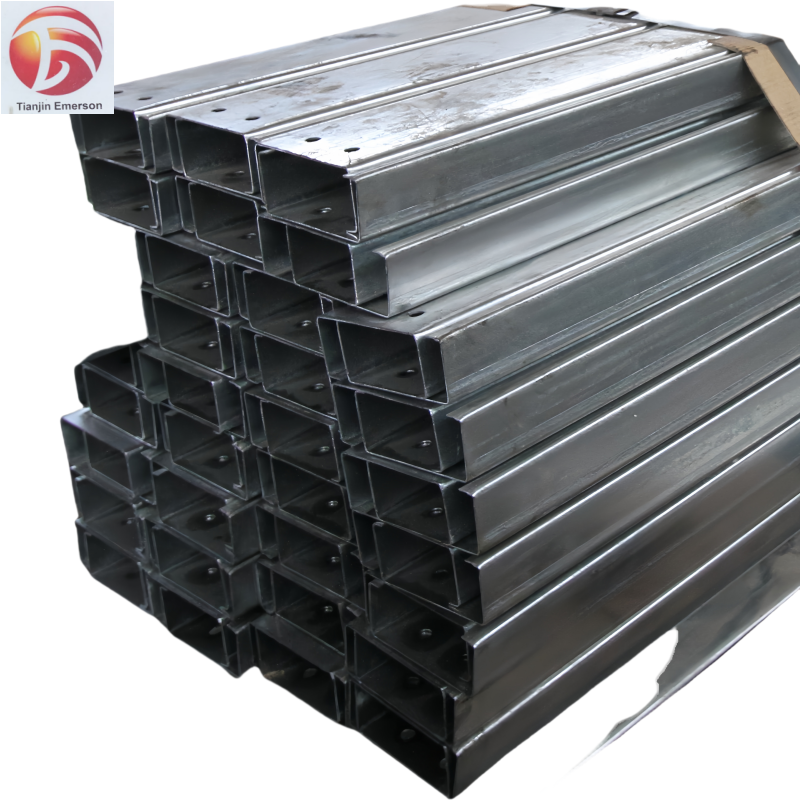
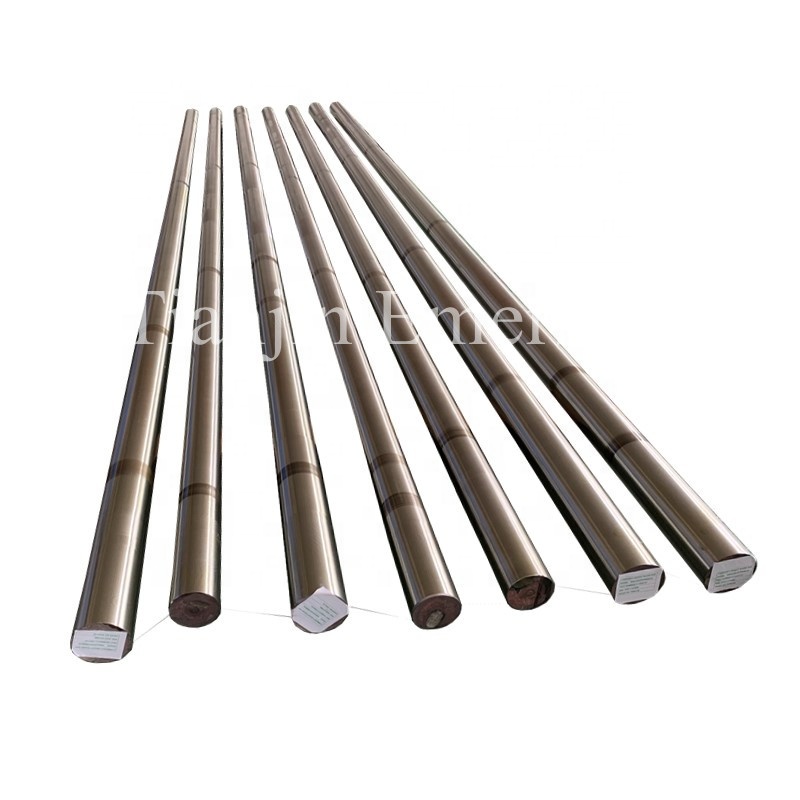
Within the vast realm of industrial construction and manufacturing, structural steel sections find extensive application. These standardized shapes are meticulously engineered to optimize load-bearing capacity, material efficiency, and ease of assembly. As a comprehensive metal supplier and manufacturer, we offer a complete portfolio covering all fundamental materials and provide custom fabrication for tailored components. Core sections include I-beams, channel sections, angle sections, and more. I-beams are characterized by their H-shaped cross-section formed by parallel flanges. This geometry delivers an excellent strength-to-weight ratio and load-bearing capacity along both vertical and horizontal axes, making it the preferred choice for main columns and beams in building frames, bridges, and heavy industrial support structures. Channel steel (C-channel or U-channel), with its distinctive C-shaped cross-section, features open sides that facilitate the installation of brackets and connectors. It is widely used in purlins, beams, framing components, and vehicle chassis manufacturing.Flat steel is a versatile rectangular-section strip material suitable for diverse applications: from simple shims, supports, and decorative strips to the fabrication of custom brackets, hinges, and reinforcement plates. Angle steel (L-shaped angle steel), with its distinctive L-shaped cross-section, delivers reliable strength for support structures, frames, load-bearing components, and edge reinforcement in construction, machinery, and infrastructure projects. Beyond these products, our supply and processing capabilities extend to profiles such as threaded steel and round bars, ensuring a comprehensive foundation of materials for diverse structural engineering and manufacturing requirements.
The selection of suitable profiles is fundamentally tied to material grades and anticipated manufacturing processes. These profiles primarily utilize carbon steel materials, such as ASTM A36 or S355JR for conventional structural engineering, balancing strength, weldability, and cost. For applications with higher demands, high-strength low-alloy steels (e.g., ASTM A572) or weathering steels (e.g., ASTM A588) should be selected. When corrosion resistance is paramount, we offer supply and fabrication services for stainless steel (304, 316) and aluminum alloy profiles. Our facility is equipped with precision machining equipment capable of meticulously processing various profiles. Cutting operations utilize laser cutting machines or sawing machines, enabling precise cutting of thick beam flanges and webs to achieve complex miter joints and connection structures. CNC press brakes precisely bend flat plates and sheets into custom brackets, which skilled welders assemble into large-scale frameworks. All processes undergo structural integrity certification. Additionally, we provide comprehensive surface finishing services—including sandblasting, hot-dip galvanizing, industrial spraying, or powder coating—ensuring finished structures endure decades of service in demanding environments.
The applications of custom structural profiles are as vast as the industries they serve. In architecture and civil engineering, these profiles form the skeletons of skyscrapers, warehouses, stadiums, and bridges. Within industrial facilities, they are fabricated into heavy machinery frames, conveyor system supports, mezzanine floors, safety guardrails, and process equipment platforms. The transportation and infrastructure sectors rely on them for truck trailers, railway car components, signage gantries, and power transmission towers. In architectural metalwork, they form the foundation for canopies, staircases, and decorative yet functional support structures. Our expertise lies in bridging the gap between standard rolled profiles and our customers' unique finished components. We are not merely suppliers but manufacturing partners. Starting with initial design consultation, we assist in selecting the most efficient profiles and materials. We then assume full value chain responsibility: sourcing certified materials, executing precision cutting and slotting, performing high-strength welded assemblies, applying protective coatings, and ensuring final precision assembly. This integrated single-source solution guarantees product consistency, shortens project timelines, and delivers engineered metal solutions meeting the highest standards of specification, quality, and durability.